THE ADVENTURE COLLECTIVE® · Independent discovery and booking for outdoor travel

Spend a day on the water from Campbell River to Orford Bay for up-close grizzly bear viewing and guided Homalco cultural interpretation. This full-day tour pairs marine wildlife scouting with land-based bear towers on Bute Inlet.
Spend a day on the water from Campbell River to Orford Bay for up-close grizzly bear viewing and guided Homalco cultural interpretation. This full-day tour pairs marine wildlife scouting with land-based bear towers on Bute Inlet.
Morning light lifts off the Salish Sea as a covered, heated boat pushes past rocky points toward Orford Bay. Guests watch spruce-dark shorelines unfurl, gulls wheel, and the captain eases into channels where humpbacks and orcas sometimes break the surface. The boat ride is the first act: marine life scouting, shared stories from a Homalco guide, and a sense that this coastline still moves on its own terms.
Verified experiences and guided adventures in the surrounding area.
Operated by Homalco Wildlife & Cultural Tours · Campbell River, British Columbia
Morning light lifts off the Salish Sea as a covered, heated boat pushes past rocky points toward Orford Bay. Guests watch spruce-dark shorelines unfurl, gulls wheel, and the captain eases into channels where humpbacks and orcas sometimes break the surface. The boat ride is the first act: marine life scouting, shared stories from a Homalco guide, and a sense that this coastline still moves on its own terms.
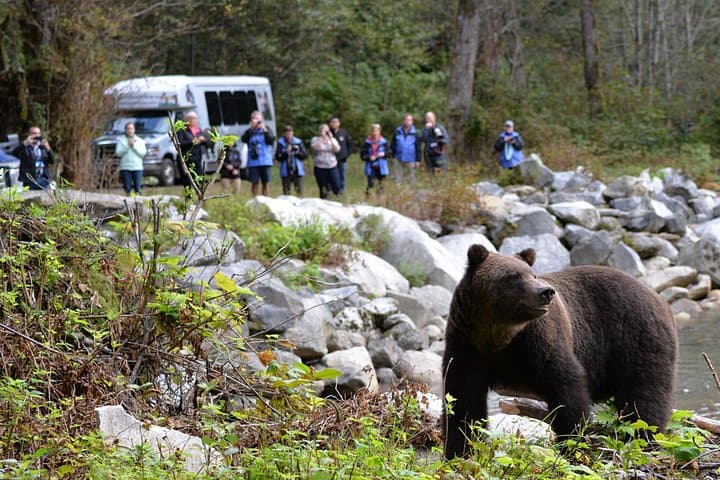
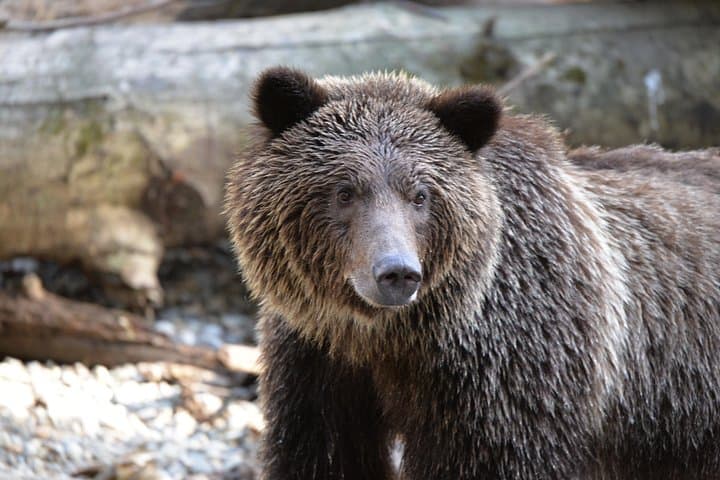
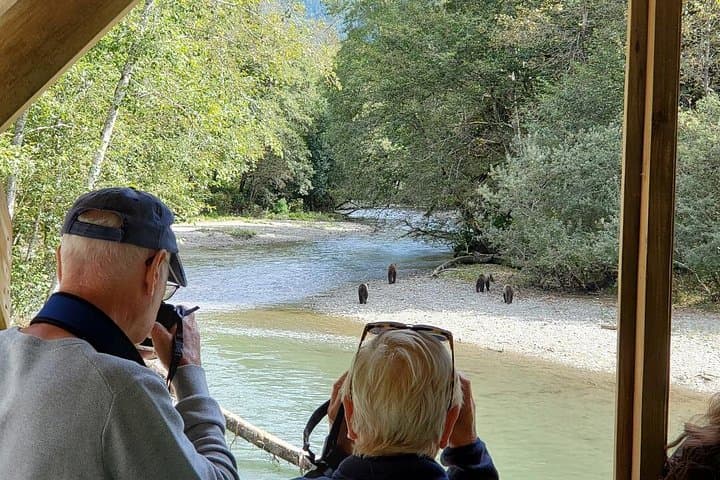
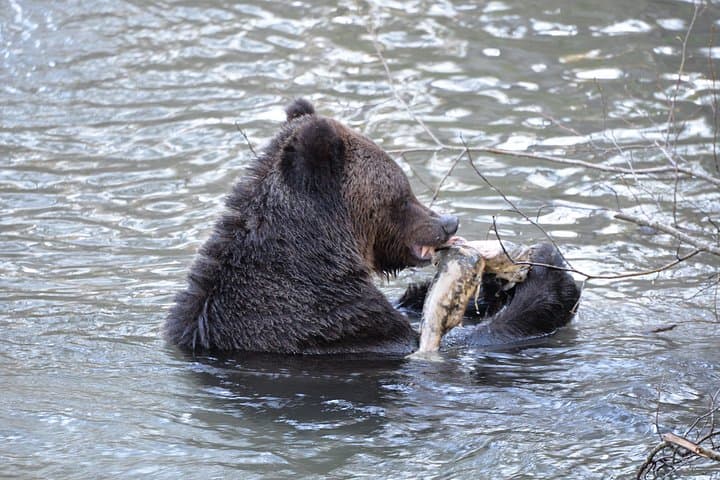
Bute Inlet is a deep, glacially carved fjord dotted with narrow river mouths where salmon concentrate—prime grizzly habitat. The Homalco people have lived here for generations; their knowledge of river runs, bear behavior, and place names shapes the tour. Geology shows itself in sheer granite walls and steep, forested river valleys that funnel tide and salmon alike. Cultural elements—storytelling, language, land-use history—are woven through guided stops and tower-based viewing at Orford and Algard Rivers.
Practically, expect a full 8–9 hour day departing Campbell River: a comfortable boat transfer, short minibuses, and accessible viewing platforms. Guides emphasize quiet, binocular etiquette, and safe distances; photography is encouraged but subordinate to stewardship. Pack layered, waterproof clothing, binoculars, motion-sickness remedies, and a camera with a mid-telephoto lens. Peak wildlife viewing aligns with late spring through early fall salmon runs, but weather and tides shape every outing.
Choosing an Indigenous-owned operator means direct cultural engagement and economic support for the Homalco people—an experience that combines wildlife spectacle with a living human history of the inlet.
easy.
8–9 hours.
Suitable for most fitness levels; participants should be able to board vessels and climb short sets of stairs.
The tour lasts about 8–9 hours, including a covered boat transfer to Orford Bay, land transfers to viewing towers, and return to Campbell River; exact times depend on tides and wildlife sightings.
Sightings are common during the salmon season but not guaranteed—guides use local knowledge to position parties at high-probability sites while weather and animal movement influence outcomes.
Yes—operators rate it as suitable for most fitness levels, but guests must be able to climb stairs and remain seated on boats; check age policies and book accordingly.
Yes—lunch, snacks, coffee/tea are provided and the boat has onboard restrooms; dietary needs can be accommodated if noted at booking.
The area is Homalco First Nation territory; Homalco people have harvested salmon and stewarded these rivers for generations, and the tour integrates Indigenous knowledge and stories.
Tours operate under protocols to minimize disturbance—staying on towers, limiting group sizes, and supporting Indigenous stewardship helps reduce impact and fund local recovery efforts.
Homalco Wildlife & Cultural Tours operates guided outdoor trips and adventures with an emphasis on safety, stewardship, and memorable experiences.
Morning light lifts off the Salish Sea as a covered, heated boat pushes past rocky points toward Orford Bay. Guests watch spruce-dark shorelines unfurl, gulls wheel, and the captain eases into channels where humpbacks and orcas sometimes break the surface. The boat ride is the first act: marine life scouting, shared stories from a Homalco guide, and a sense that this coastline still moves on its own terms.
Morning light lifts off the Salish Sea as a covered, heated boat pushes past rocky points toward Orford Bay. Guests watch spruce-dark shorelines unfurl, gulls wheel, and the captain eases into channels where humpbacks and orcas sometimes break the surface. The boat ride is the first act: marine life scouting, shared stories from a Homalco guide, and a sense that this coastline still moves on its own terms.
Bute Inlet is a deep, glacially carved fjord dotted with narrow river mouths where salmon concentrate—prime grizzly habitat. The Homalco people have lived here for generations; their knowledge of river runs, bear behavior, and place names shapes the tour. Geology shows itself in sheer granite walls and steep, forested river valleys that funnel tide and salmon alike. Cultural elements—storytelling, language, land-use history—are woven through guided stops and tower-based viewing at Orford and Algard Rivers.
Practically, expect a full 8–9 hour day departing Campbell River: a comfortable boat transfer, short minibuses, and accessible viewing platforms. Guides emphasize quiet, binocular etiquette, and safe distances; photography is encouraged but subordinate to stewardship. Pack layered, waterproof clothing, binoculars, motion-sickness remedies, and a camera with a mid-telephoto lens. Peak wildlife viewing aligns with late spring through early fall salmon runs, but weather and tides shape every outing.
Choosing an Indigenous-owned operator means direct cultural engagement and economic support for the Homalco people—an experience that combines wildlife spectacle with a living human history of the inlet.