THE ADVENTURE COLLECTIVE® · Independent discovery and booking for outdoor travel

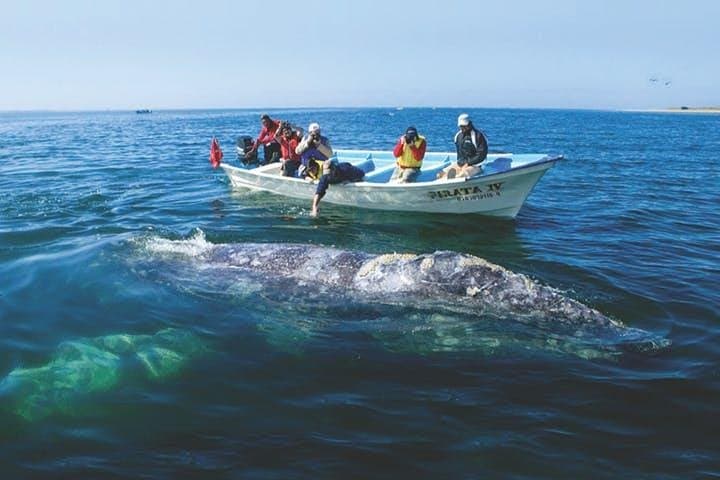
Board a panga and meet the famously friendly gray whales of Magdalena Bay. This guided day cruise (late December–mid‑March) brings you close to mothers and calves in protected lagoons for rare, face‑to‑face encounters.
Board a panga and meet the famously friendly gray whales of Magdalena Bay. This guided day cruise (late December–mid‑March) brings you close to mothers and calves in protected lagoons for rare, face‑to‑face encounters.
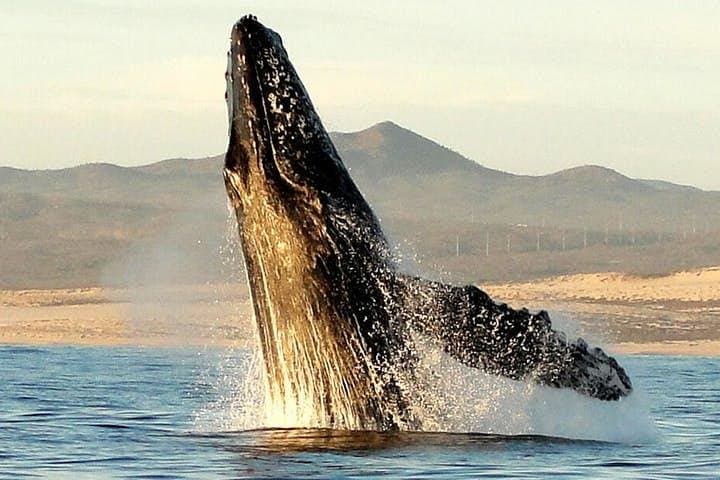
The panga nudges into glassy water and the bay opens up—low, silvery islands, a chill salt smell, and the slow roll of hump-backed shapes that are not sharks but patient, inquisitive gray whales.
Verified experiences and guided adventures in the surrounding area.
Operated by Wild Loreto · Lopez Mateos, Baja California Sur
The panga nudges into glassy water and the bay opens up—low, silvery islands, a chill salt smell, and the slow roll of hump-backed shapes that are not sharks but patient, inquisitive gray whales.
Magdalena Bay on Baja California Sur is a winter nursery: every season between late December and mid‑March hundreds of gray whales arrive after a roughly 5,000‑mile migration from the Bering Sea to mate and calve in these sheltered lagoons. In the early 1970s a local fisherman famously touched a whale’s head here, a moment that helped cement the close, curious interactions the animals now sometimes offer visitors.
Geology is plain and grand—the bay’s shallow lagoons and sandbanks form where the Pacific meets the Baja shore, producing calm water that mothers prefer. The culture around Lopez Mateos is small‑town and marine‑focused: fishermen, pangeros, and a handful of family restaurants that cook the day’s catch.
On an eight‑hour day cruise you’ll board a panga from the shoreline, scan for blows, and watch adults with calves surface near the boats. Guides explain whale behavior and local regulations as they pilot into quieter lagoons; expect sea birds, dolphins, and the occasional sea lion company.
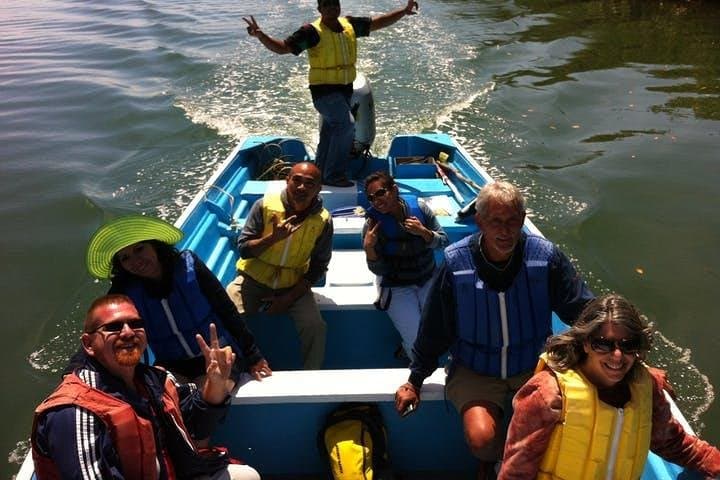
Practical tips: the sun is strong even in winter—pack layers, sunscreen, and a waterproof jacket for spray. Motion‑sickness medication helps on choppier days. Tours include transport, lunch, and an experienced guide; infants may be required to sit on laps. Respect guidelines—let the whales approach on their terms and follow your guide’s instructions for a safe, unforgettable encounter.
easy.
8 hours.
Suitable for most fitness levels; requires getting into and out of a low‑freeboard panga and standing for sightings.
Late January through February is peak calving season when mothers and newborns are most commonly seen in the sheltered lagoons.
Whales in Magdalena Bay are known to approach panga boats voluntarily, but approach distances vary—always follow your guide’s safety rules and never attempt to touch a whale.
Yes; tours are family‑friendly but infants may be asked to sit on laps and parents should be prepared for long periods outdoors and potential boat movement.
Typical inclusions are round‑trip transport, experienced guide, use of a panga, refreshments, and lunch at a local restaurant as noted by the operator.
Magdalena Bay gained international attention in the 1970s when local fishermen reported unusually tame whale interactions, a history that shaped modern eco‑tourism here.
Gray whale populations recovered after protection measures, but disturbances and marine debris remain concerns—follow no‑contact rules and leave no trace.
Wild Loreto operates guided outdoor trips and adventures with an emphasis on safety, stewardship, and memorable experiences.
The panga nudges into glassy water and the bay opens up—low, silvery islands, a chill salt smell, and the slow roll of hump-backed shapes that are not sharks but patient, inquisitive gray whales.
The panga nudges into glassy water and the bay opens up—low, silvery islands, a chill salt smell, and the slow roll of hump-backed shapes that are not sharks but patient, inquisitive gray whales.
Magdalena Bay on Baja California Sur is a winter nursery: every season between late December and mid‑March hundreds of gray whales arrive after a roughly 5,000‑mile migration from the Bering Sea to mate and calve in these sheltered lagoons. In the early 1970s a local fisherman famously touched a whale’s head here, a moment that helped cement the close, curious interactions the animals now sometimes offer visitors.
Geology is plain and grand—the bay’s shallow lagoons and sandbanks form where the Pacific meets the Baja shore, producing calm water that mothers prefer. The culture around Lopez Mateos is small‑town and marine‑focused: fishermen, pangeros, and a handful of family restaurants that cook the day’s catch.
On an eight‑hour day cruise you’ll board a panga from the shoreline, scan for blows, and watch adults with calves surface near the boats. Guides explain whale behavior and local regulations as they pilot into quieter lagoons; expect sea birds, dolphins, and the occasional sea lion company.
Practical tips: the sun is strong even in winter—pack layers, sunscreen, and a waterproof jacket for spray. Motion‑sickness medication helps on choppier days. Tours include transport, lunch, and an experienced guide; infants may be required to sit on laps. Respect guidelines—let the whales approach on their terms and follow your guide’s instructions for a safe, unforgettable encounter.