THE ADVENTURE COLLECTIVE® · Independent discovery and booking for outdoor travel

Board a low-profile panga at Puerto López Mateos and spend two hours among migrating Pacific gray whales in their nursery bay. This full-day trip from Loreto combines shore-side culture, a guided whale encounter, and a local seafood lunch.
Board a low-profile panga at Puerto López Mateos and spend two hours among migrating Pacific gray whales in their nursery bay. This full-day trip from Loreto combines shore-side culture, a guided whale encounter, and a local seafood lunch.
The morning light on the Sea of Cortez is cool and quick; guides move with practiced calm as passengers board a low-profile panga in Puerto López Mateos. Salt and diesel hang in the air, and within an hour the shoreline softens behind you. The bay opens and the gray whales—huge, barnacled mothers and curious calves—begin to surface, their slow breaths and rolling bodies imposing a steady rhythm that sets the pace of the trip.
Verified experiences and guided adventures in the surrounding area.
Operated by Guaycura Adventures · Loreto, Baja California Sur
The morning light on the Sea of Cortez is cool and quick; guides move with practiced calm as passengers board a low-profile panga in Puerto López Mateos. Salt and diesel hang in the air, and within an hour the shoreline softens behind you. The bay opens and the gray whales—huge, barnacled mothers and curious calves—begin to surface, their slow breaths and rolling bodies imposing a steady rhythm that sets the pace of the trip.
This stretch of Baja California Sur is a critical nursery: Pacific gray whales have traveled from Arctic feeding grounds for generations to give birth and nurse in the shallow, protected waters. The geology here is simple and stark—wide sandy bays backed by low dunes and mangrove fingers that shelter juvenile fish. Local communities still fish and run small pangas, and visitors will see modest restaurants and salt-scarred docks that reflect a working coastal culture.
Practical guidance: tours generally include hotel pickup in Loreto, a drive to Puerto López Mateos, and a two-hour boat outing; expect 8 hours total. Dress in layers: mornings can be cool, midday breezes sharp. Bring binoculars, sun protection, and seasickness remedies if you're prone to motion sickness. Follow guides' safety briefings—interaction with whales is rare and regulated; approach distances and behavior are determined by the guides and local rules to protect calves.
Timing matters: the whale season runs in winter through early spring; book in advance for peak months. This experience balances high-probability wildlife viewing with the quiet, communal culture of Baja’s coastal towns.
easy.
8 hours.
Suitable for most fitness levels; requires ability to board a small boat and stand or sit for two hours at sea
Peak viewing runs from December through early April when mothers and calves occupy the sheltered bays; highest odds are January–March.
No—interaction is never guaranteed; responsible guides follow distance rules and any close approaches depend on whale behavior and regulations.
The panga outing typically lasts about two hours, within a full-day itinerary that includes transfers and a shore lunch back in the village.
Yes—families can participate; operators often provide infant seats and allow strollers, but check age limits and safety guidelines before booking.
Pacific gray whales have used Baja’s shallow bays for centuries to calve; local fishing communities around Loreto and López Mateos developed around seasonal marine resources.
Whale-watching here is regulated to minimize disturbance—stay with certified operators who enforce approach distances, keep engine noise low, and follow local protection rules.
Guaycura Adventures operates guided outdoor trips and adventures with an emphasis on safety, stewardship, and memorable experiences.
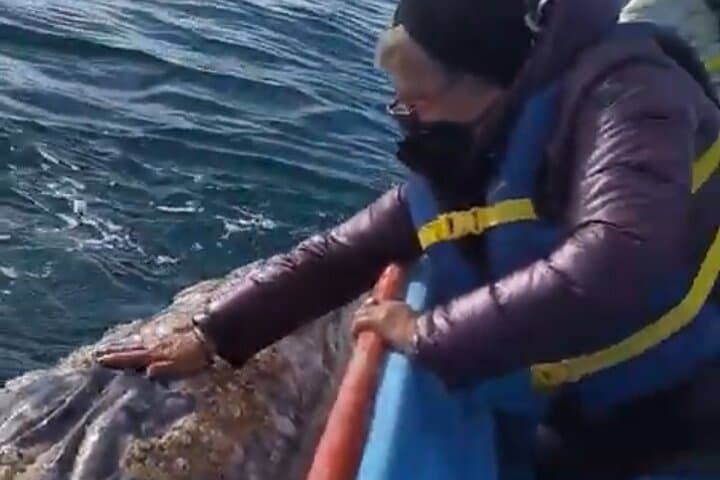
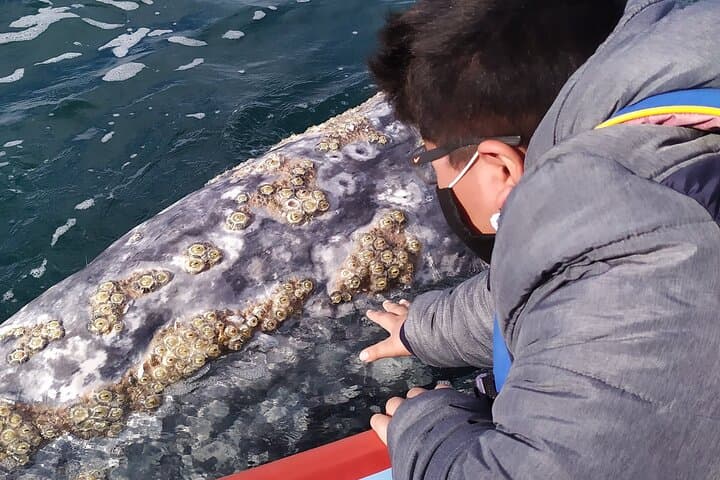
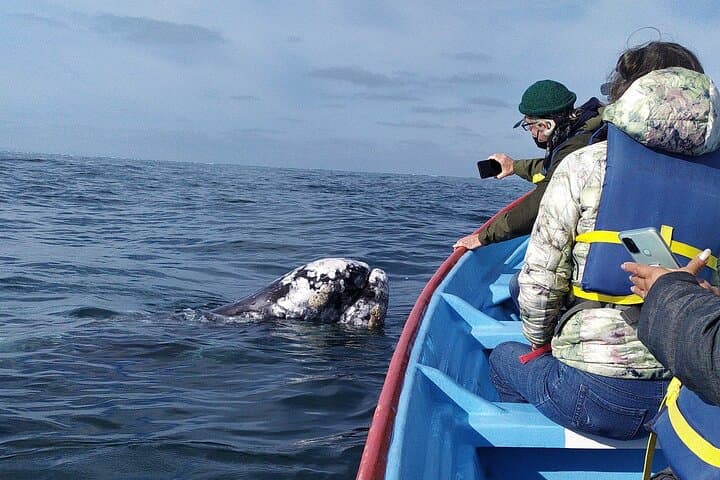
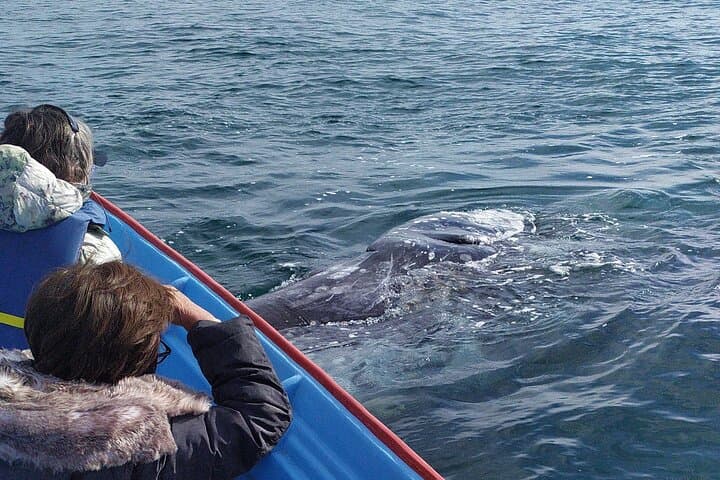
The morning light on the Sea of Cortez is cool and quick; guides move with practiced calm as passengers board a low-profile panga in Puerto López Mateos. Salt and diesel hang in the air, and within an hour the shoreline softens behind you. The bay opens and the gray whales—huge, barnacled mothers and curious calves—begin to surface, their slow breaths and rolling bodies imposing a steady rhythm that sets the pace of the trip.
The morning light on the Sea of Cortez is cool and quick; guides move with practiced calm as passengers board a low-profile panga in Puerto López Mateos. Salt and diesel hang in the air, and within an hour the shoreline softens behind you. The bay opens and the gray whales—huge, barnacled mothers and curious calves—begin to surface, their slow breaths and rolling bodies imposing a steady rhythm that sets the pace of the trip.
This stretch of Baja California Sur is a critical nursery: Pacific gray whales have traveled from Arctic feeding grounds for generations to give birth and nurse in the shallow, protected waters. The geology here is simple and stark—wide sandy bays backed by low dunes and mangrove fingers that shelter juvenile fish. Local communities still fish and run small pangas, and visitors will see modest restaurants and salt-scarred docks that reflect a working coastal culture.
Practical guidance: tours generally include hotel pickup in Loreto, a drive to Puerto López Mateos, and a two-hour boat outing; expect 8 hours total. Dress in layers: mornings can be cool, midday breezes sharp. Bring binoculars, sun protection, and seasickness remedies if you're prone to motion sickness. Follow guides' safety briefings—interaction with whales is rare and regulated; approach distances and behavior are determined by the guides and local rules to protect calves.
Timing matters: the whale season runs in winter through early spring; book in advance for peak months. This experience balances high-probability wildlife viewing with the quiet, communal culture of Baja’s coastal towns.