THE ADVENTURE COLLECTIVE® · Independent discovery and booking for outdoor travel

Spend a private day exploring the gravelly vineyards of Graves, the refined terroir of Pessac-Léognan, and the sweet late-harvest wines of Sauternes. Three curated tastings, expert guiding, and vineyard walks from Bordeaux.
Spend a private day exploring the gravelly vineyards of Graves, the refined terroir of Pessac-Léognan, and the sweet late-harvest wines of Sauternes. Three curated tastings, expert guiding, and vineyard walks from Bordeaux.
You step out of Bordeaux into a landscape defined by low, gravelly ridges and rows of vines that catch the Atlantic light. The Mercedes minivan hums along country lanes as your guide sketches the day: Graves’ gravel soils, the refined reds of Pessac-Léognan, then the honeyed slopes of Sauternes.
Verified experiences and guided adventures in the surrounding area.
Operated by Ophorus · Bordeaux, Nouvelle-Aquitaine
You step out of Bordeaux into a landscape defined by low, gravelly ridges and rows of vines that catch the Atlantic light. The Mercedes minivan hums along country lanes as your guide sketches the day: Graves’ gravel soils, the refined reds of Pessac-Léognan, then the honeyed slopes of Sauternes.
Graves is where Roman plantings met a unique terroir—stony soils that drain heat and stress vines into concentrated flavor. Pessac-Léognan followed as a refined appellation, producing age-worthy Cabernet-led reds and citrus-driven Sauvignon-Semillon whites; Sauternes owes its silk and honey to Botrytis cinerea, the “noble rot” that creates lusciously sweet late-harvest wines.
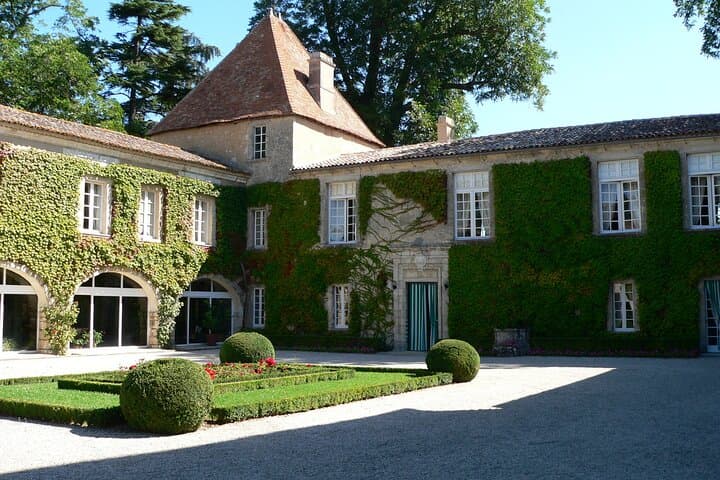
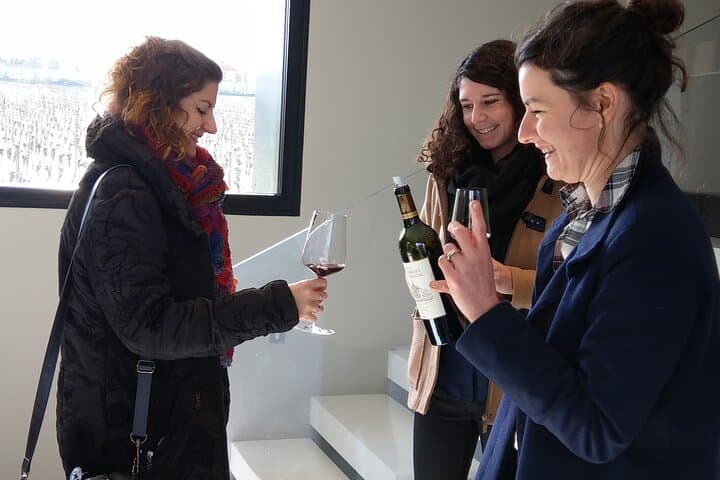
Culturally, estates range from family-run domaines to grand châteaux like Haut-Brion and d’Yquem, each with cellar traditions and tasting rituals. Along the way you’ll learn tasting vocabulary, see canopy and trellis practices, and understand how geology maps directly to flavor.
Practical guidance: the tour runs about eight hours with three winery visits and a restaurant lunch (own expense). Wear comfortable shoes for light vineyard walking and a layered outfit for breezy mornings and warm tasting rooms. Bring a small daypack, bottle of water, and note any dietary needs when booking. Alcohol rules apply—minors need an accompanying adult, and pregnant travelers are advised against participating.
The tour is approachable for most travelers, educational for first-timers, and rewarding for seasoned oenophiles who want to connect landscape, history, and bottle.
easy.
8 hours.
Light walking on uneven ground; suitable for most fitness levels
The tour lasts approximately eight hours, including transport, three winery visits, and a lunch stop.
Yes—tastings at three selected wineries are included; lunch and any extra purchases are at your expense.
Pickup from Bordeaux accommodation is included—confirm your pickup point when booking.
Children can join if accompanied by an adult; infant seats are available on request and must be advised at booking.
Winegrowing in the Bordeaux basin dates to Roman times; Graves became notable for its gravelly soils that favor both red and white varieties.
Many estates practice integrated pest management and organic viticulture; visitors should stay on paths and avoid disturbing vines to minimize impact.
Ophorus operates guided outdoor trips and adventures with an emphasis on safety, stewardship, and memorable experiences.


You step out of Bordeaux into a landscape defined by low, gravelly ridges and rows of vines that catch the Atlantic light. The Mercedes minivan hums along country lanes as your guide sketches the day: Graves’ gravel soils, the refined reds of Pessac-Léognan, then the honeyed slopes of Sauternes.
You step out of Bordeaux into a landscape defined by low, gravelly ridges and rows of vines that catch the Atlantic light. The Mercedes minivan hums along country lanes as your guide sketches the day: Graves’ gravel soils, the refined reds of Pessac-Léognan, then the honeyed slopes of Sauternes.
Graves is where Roman plantings met a unique terroir—stony soils that drain heat and stress vines into concentrated flavor. Pessac-Léognan followed as a refined appellation, producing age-worthy Cabernet-led reds and citrus-driven Sauvignon-Semillon whites; Sauternes owes its silk and honey to Botrytis cinerea, the “noble rot” that creates lusciously sweet late-harvest wines.
Culturally, estates range from family-run domaines to grand châteaux like Haut-Brion and d’Yquem, each with cellar traditions and tasting rituals. Along the way you’ll learn tasting vocabulary, see canopy and trellis practices, and understand how geology maps directly to flavor.
Practical guidance: the tour runs about eight hours with three winery visits and a restaurant lunch (own expense). Wear comfortable shoes for light vineyard walking and a layered outfit for breezy mornings and warm tasting rooms. Bring a small daypack, bottle of water, and note any dietary needs when booking. Alcohol rules apply—minors need an accompanying adult, and pregnant travelers are advised against participating.
The tour is approachable for most travelers, educational for first-timers, and rewarding for seasoned oenophiles who want to connect landscape, history, and bottle.