THE ADVENTURE COLLECTIVE® · Independent discovery and booking for outdoor travel

Rent gravel and bikepacking bikes suited to mixed-surface routes that begin near the historic Nakasendo Highway. Expect quiet backroads, rolling climbs and the option to extend into multi-day loops with saddle bags and local inns.
Rent gravel and bikepacking bikes suited to mixed-surface routes that begin near the historic Nakasendo Highway. Expect quiet backroads, rolling climbs and the option to extend into multi-day loops with saddle bags and local inns.
A morning starts with a row of matte frames, tires whispering on concrete as riders push away from a small shop at the edge of town. The route unfurls—quiet country lanes, short forest tracks and old stone bridges that once connected post towns along the historic Nakasendo Highway. The bikes here are built to move you across mixed surfaces: wide tires to tame loose gravel, low gearing to grind up steep village climbs, and optional saddle bags for a light overnight.
Verified experiences and guided adventures in the surrounding area.
Operated by GS Astuto · Tokyo, Tokyo
A morning starts with a row of matte frames, tires whispering on concrete as riders push away from a small shop at the edge of town. The route unfurls—quiet country lanes, short forest tracks and old stone bridges that once connected post towns along the historic Nakasendo Highway. The bikes here are built to move you across mixed surfaces: wide tires to tame loose gravel, low gearing to grind up steep village climbs, and optional saddle bags for a light overnight.
The Nakasendo was a Edo-period artery linking Kyoto and Edo (now Tokyo); its post towns still hold carved wooden inns, stone markers and narrow lanes that reward slow exploration. Geologically, riders move from low volcanic foothills into river valleys, crossing compacted gravel and occasional rutted farm roads that demand steady bike handling.
Culturally, villages keep small shops, local onsen and road-side soba that make logical lunch stops. Expect rides calibrated to fitness—single-day loops commonly range from 30–80 km with rolling climbs of 200–800 m depending on chosen route.
Practical guidance: check tire tread and pressures, carry a basic repair kit and water, and plan transfers—many routes link easily to regional trains. Start early to avoid midday heat in summer and allow time to visit post towns rather than racing distance. If attempting multi-day bikepacking, reserve accommodations in advance and pack layers: weather shifts quickly in the foothills. These rentals pair solid mechanical upkeep with local route knowledge, making them a straightforward way to turn quiet roads into a deliberate adventure.
moderate.
Up to 12 hours (single-day rental).
Moderately fit riders who can sustain several hours of riding and handle rolling climbs
Rental includes the bicycle; shops often offer helmets and locks as extras—confirm at booking and bring your own helmet if you prefer.
Yes—many routes link to regional train stations; confirm the shop's policy on bringing bikes on trains and whether folding or boxed transport is needed.
Yes, some shops supply saddle bags and basic bikepacking gear; book in advance for overnight setups and ask about recommended campsite or ryokan stops.
Moderate fitness is recommended—riders should be comfortable with sustained pedaling and short steep climbs on mixed terrain.
The Nakasendo was a major Edo-period route connecting Edo and Kyoto; many post towns along its length retain Edo-era layouts and markers.
Stick to established roads and village paths to minimize erosion; support local businesses to keep preservation efforts viable.
GS Astuto operates guided outdoor trips and adventures with an emphasis on safety, stewardship, and memorable experiences.

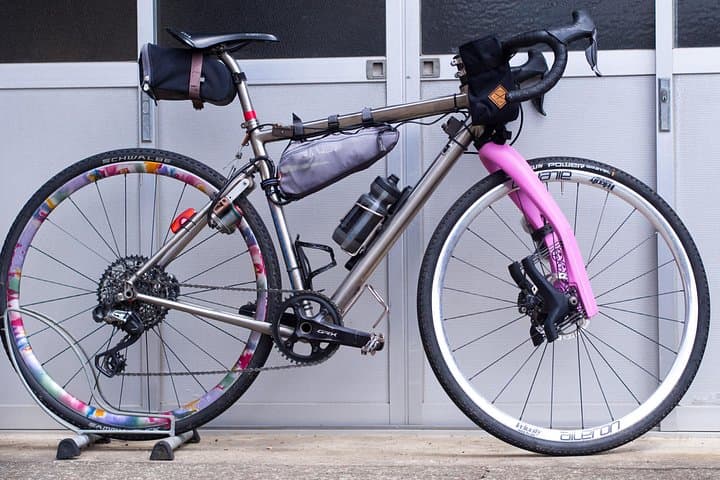

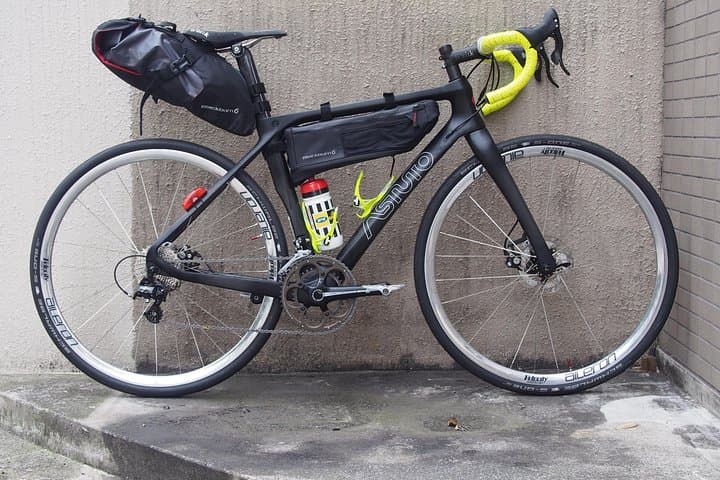
A morning starts with a row of matte frames, tires whispering on concrete as riders push away from a small shop at the edge of town. The route unfurls—quiet country lanes, short forest tracks and old stone bridges that once connected post towns along the historic Nakasendo Highway. The bikes here are built to move you across mixed surfaces: wide tires to tame loose gravel, low gearing to grind up steep village climbs, and optional saddle bags for a light overnight.
A morning starts with a row of matte frames, tires whispering on concrete as riders push away from a small shop at the edge of town. The route unfurls—quiet country lanes, short forest tracks and old stone bridges that once connected post towns along the historic Nakasendo Highway. The bikes here are built to move you across mixed surfaces: wide tires to tame loose gravel, low gearing to grind up steep village climbs, and optional saddle bags for a light overnight.
The Nakasendo was a Edo-period artery linking Kyoto and Edo (now Tokyo); its post towns still hold carved wooden inns, stone markers and narrow lanes that reward slow exploration. Geologically, riders move from low volcanic foothills into river valleys, crossing compacted gravel and occasional rutted farm roads that demand steady bike handling.
Culturally, villages keep small shops, local onsen and road-side soba that make logical lunch stops. Expect rides calibrated to fitness—single-day loops commonly range from 30–80 km with rolling climbs of 200–800 m depending on chosen route.
Practical guidance: check tire tread and pressures, carry a basic repair kit and water, and plan transfers—many routes link easily to regional trains. Start early to avoid midday heat in summer and allow time to visit post towns rather than racing distance. If attempting multi-day bikepacking, reserve accommodations in advance and pack layers: weather shifts quickly in the foothills. These rentals pair solid mechanical upkeep with local route knowledge, making them a straightforward way to turn quiet roads into a deliberate adventure.