THE ADVENTURE COLLECTIVE® · Independent discovery and booking for outdoor travel

Join a private grape harvest and pisa in Bento Gonçalves to pick, tread and taste at family wineries in Serra Gaúcha. This immersive, 2–4 hour experience mixes hands-on harvest work with local food, songs and cellar tastings.
Join a private grape harvest and pisa in Bento Gonçalves to pick, tread and taste at family wineries in Serra Gaúcha. This immersive, 2–4 hour experience mixes hands-on harvest work with local food, songs and cellar tastings.
Sunlight slides between rows of vines; the grapes hang heavy and insist you notice them. Stand in a family-run vineyard in Bento Gonçalves and the land feels alive—rows leaning toward the sun, the fruit ready to surrender to hands and feet. This private harvest and pisa (grape-treading) experience invites visitors to join a seasonal ritual: picking fruit, stepping into vats, and sharing a merenda—an Italian-style snack—beneath the trellis while local songs mark the work.
Verified experiences and guided adventures in the surrounding area.
Operated by LUCENIO VOLPATO · Bento Gonçalves, Rio Grande do Sul
Sunlight slides between rows of vines; the grapes hang heavy and insist you notice them. Stand in a family-run vineyard in Bento Gonçalves and the land feels alive—rows leaning toward the sun, the fruit ready to surrender to hands and feet. This private harvest and pisa (grape-treading) experience invites visitors to join a seasonal ritual: picking fruit, stepping into vats, and sharing a merenda—an Italian-style snack—beneath the trellis while local songs mark the work.
The Serra Gaúcha region traces its modern identity to late 19th-century Italian immigrants who shaped the vineyards, cellars and cantinas still in use today. Geologically, the rolling hills are old basaltic and volcanic soils overlain with rich alluvium, producing grapes with firm acidity and ripe aromatics. Culturally the harvest is more than work—it's community, complete with folk songs, small-scale presses and cellar-door tastings.
Practically, the program runs mid‑January through early March and lasts roughly 2–4 hours depending on your arrangement. Expect uneven ground, occasional mud after rain, and hands-on activity that’s gentle but sustained: bending, walking and standing. Tickets for winery tastings are often separate and should be reserved in advance. Wear closed-toe shoes you don’t mind getting stained, bring sun protection and a refillable water bottle; the host provides bottled water and an air‑conditioned transfer. Mornings are cooler and better for working in the sun, afternoons are livelier with music and communal tastings. Respect the vines—step only where invited—and savor the sensory payoff: warm grape skins, faint yeast on the air, and the tactile history of a harvest passed down through generations.
easy.
2–4 hours.
Suitable for most fitness levels; involves standing, light walking and bending during picking and treading.
Harvest typically runs from mid‑January through early March in Serra Gaúcha, but exact timing varies by vintage and microclimate—confirm dates with the host.
Tasting tickets are commonly not included and should be reserved or purchased separately; check the host’s details when booking.
The transfer and general program are accessible and family-friendly, but hands-on treading and vineyard rows may be difficult for wheelchairs—discuss accommodations with the operator.
No—hosts guide participants through picking and pisa; the activity is designed for beginners and local staff lead every step.
Bento Gonçalves’ wine culture grew from late 19th‑century Italian immigration; families established small vineyards and cantinas that still run traditional harvest events.
Many wineries in Serra Gaúcha practice sustainable viticulture and water management; visitors should avoid trampling young vines, pack out waste and favor small producers to support local stewardship.
LUCENIO VOLPATO operates guided outdoor trips and adventures with an emphasis on safety, stewardship, and memorable experiences.
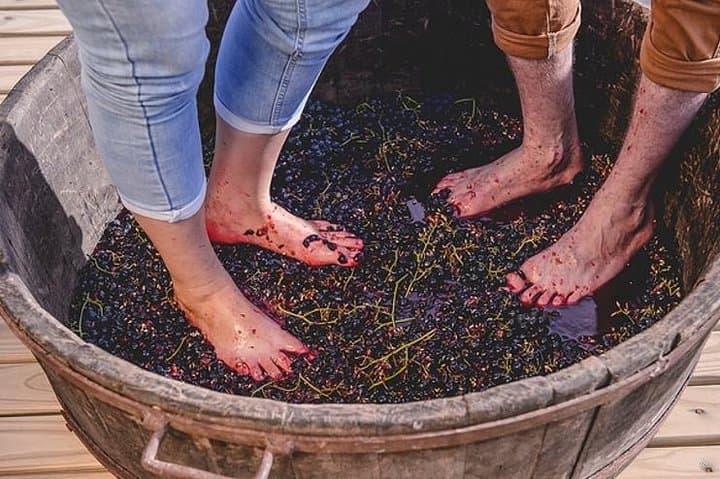
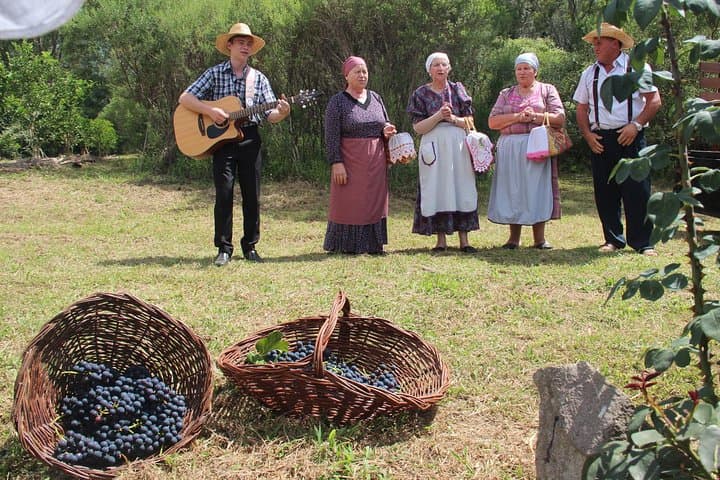
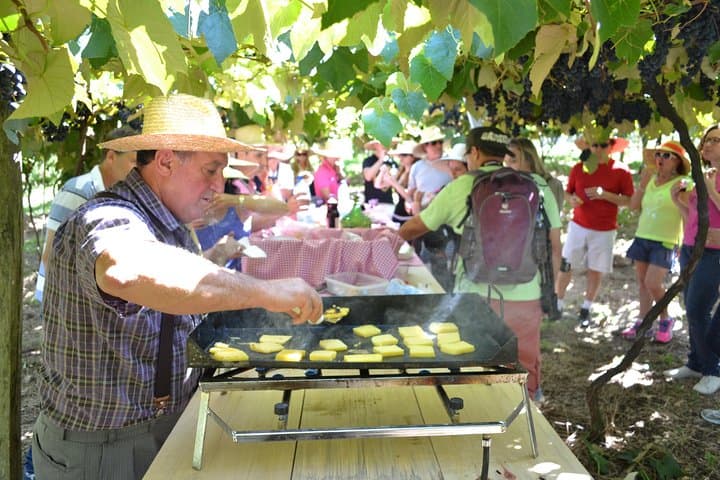
Sunlight slides between rows of vines; the grapes hang heavy and insist you notice them. Stand in a family-run vineyard in Bento Gonçalves and the land feels alive—rows leaning toward the sun, the fruit ready to surrender to hands and feet. This private harvest and pisa (grape-treading) experience invites visitors to join a seasonal ritual: picking fruit, stepping into vats, and sharing a merenda—an Italian-style snack—beneath the trellis while local songs mark the work.
Sunlight slides between rows of vines; the grapes hang heavy and insist you notice them. Stand in a family-run vineyard in Bento Gonçalves and the land feels alive—rows leaning toward the sun, the fruit ready to surrender to hands and feet. This private harvest and pisa (grape-treading) experience invites visitors to join a seasonal ritual: picking fruit, stepping into vats, and sharing a merenda—an Italian-style snack—beneath the trellis while local songs mark the work.
The Serra Gaúcha region traces its modern identity to late 19th-century Italian immigrants who shaped the vineyards, cellars and cantinas still in use today. Geologically, the rolling hills are old basaltic and volcanic soils overlain with rich alluvium, producing grapes with firm acidity and ripe aromatics. Culturally the harvest is more than work—it's community, complete with folk songs, small-scale presses and cellar-door tastings.
Practically, the program runs mid‑January through early March and lasts roughly 2–4 hours depending on your arrangement. Expect uneven ground, occasional mud after rain, and hands-on activity that’s gentle but sustained: bending, walking and standing. Tickets for winery tastings are often separate and should be reserved in advance. Wear closed-toe shoes you don’t mind getting stained, bring sun protection and a refillable water bottle; the host provides bottled water and an air‑conditioned transfer. Mornings are cooler and better for working in the sun, afternoons are livelier with music and communal tastings. Respect the vines—step only where invited—and savor the sensory payoff: warm grape skins, faint yeast on the air, and the tactile history of a harvest passed down through generations.