THE ADVENTURE COLLECTIVE® · Independent discovery and booking for outdoor travel

A six-hour walking and museum tour that links Washington’s monuments to Ancient Egyptian symbolism, led by an Egyptologist. Expect outdoor walking on the National Mall plus an in-depth presentation in the Smithsonian’s Egyptian section.
A six-hour walking and museum tour that links Washington’s monuments to Ancient Egyptian symbolism, led by an Egyptologist. Expect outdoor walking on the National Mall plus an in-depth presentation in the Smithsonian’s Egyptian section.
Stand at the base of the Washington Monument and the city leans in—stone geometry cutting a clean line against sky, bronze memorials watching traffic and footfall with equal calm.
Verified experiences and guided adventures in the surrounding area.
Operated by Zohery Tours International, Inc · Washington, DC
Stand at the base of the Washington Monument and the city leans in—stone geometry cutting a clean line against sky, bronze memorials watching traffic and footfall with equal calm.
This full-day experience stitches a classic DC sightseeing loop with a focused Egyptology narrative: obelisks, civic sculpture and neoclassical façades are read through the lens of Ancient Egyptian symbolism while a museum session at the Smithsonian’s Egyptian collection brings artifacts and context into sharper relief.
History and culture collide here. Early American architects and Founding-era thinkers borrowed Egyptian forms—obelisks for permanence, columns for order—creating a capital that references antiquity while asserting modern republican values. The Mall’s geology is not dramatic—sandy river terraces of the Potomac and reclaimed marshlands—but its layout was deliberately engineered to stage power and memory.
Visitors should expect a mix of outdoor walking between monuments and a seated museum presentation led by an Egyptology expert, who connects pharaonic ideas of law, afterlife and monumentality to U.S. civic symbolism.
Practical guidance: the tour runs approximately six hours and departs near the Hyatt Regency/Union Station area; plan for 2–3 miles of walking at a moderate urban pace with frequent stops. Bring a refillable water bottle, comfortable shoes, and a weatherproof layer—the Mall is exposed to sun and wind. Public transit access is excellent; group size is moderate. Allow extra time for security lines at major memorials and the Smithsonian. This itinerary pairs urban exploration with scholarly context, ideal for travelers who want a walking tour that reads the city as both history and idea.
easy.
6 hours.
Light-moderate urban fitness: able to walk 2–3 miles with stops and stand for museum talks
No—this tour provides guided stops and a presentation but Smithsonian museum entry is free and not a paid admission included in the tour price.
The tour meets in front of the Hyatt Regency near 400 New Jersey Ave NW, about 2½ blocks from Union Station.
Yes—strollers are allowed and the physical demands are light, though museum talks may be long for very young children.
Full refunds are available if you cancel at least 24 hours before the scheduled departure time.
Washington’s plan and monuments intentionally borrowed Egyptian motifs during the late 18th and 19th centuries to evoke permanence, order and ancient learning.
High foot traffic affects lawns and stone steps—stick to paved paths, avoid climbing monuments, and use public transit to reduce local congestion.
Zohery Tours International, Inc operates guided outdoor trips and adventures with an emphasis on safety, stewardship, and memorable experiences.
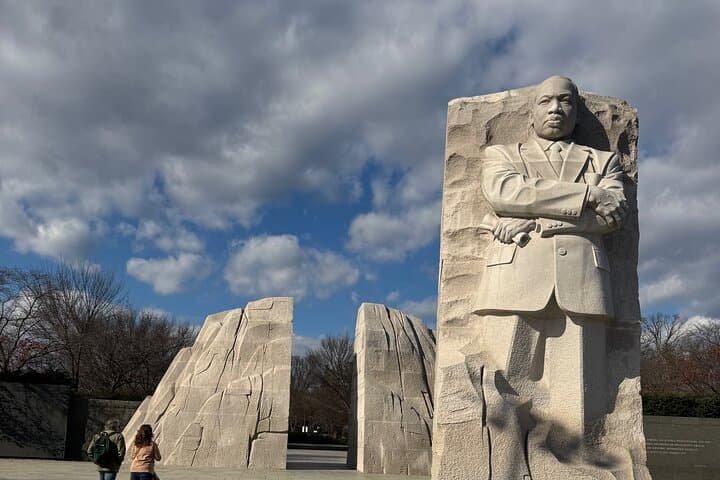
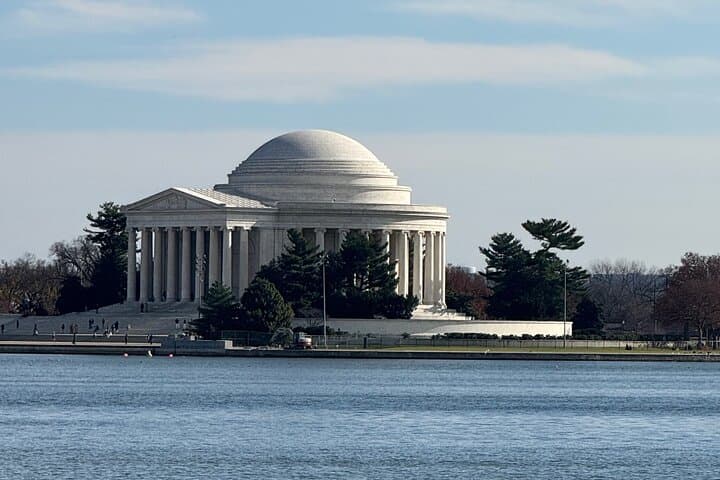


Stand at the base of the Washington Monument and the city leans in—stone geometry cutting a clean line against sky, bronze memorials watching traffic and footfall with equal calm.
Stand at the base of the Washington Monument and the city leans in—stone geometry cutting a clean line against sky, bronze memorials watching traffic and footfall with equal calm.
This full-day experience stitches a classic DC sightseeing loop with a focused Egyptology narrative: obelisks, civic sculpture and neoclassical façades are read through the lens of Ancient Egyptian symbolism while a museum session at the Smithsonian’s Egyptian collection brings artifacts and context into sharper relief.
History and culture collide here. Early American architects and Founding-era thinkers borrowed Egyptian forms—obelisks for permanence, columns for order—creating a capital that references antiquity while asserting modern republican values. The Mall’s geology is not dramatic—sandy river terraces of the Potomac and reclaimed marshlands—but its layout was deliberately engineered to stage power and memory.
Visitors should expect a mix of outdoor walking between monuments and a seated museum presentation led by an Egyptology expert, who connects pharaonic ideas of law, afterlife and monumentality to U.S. civic symbolism.
Practical guidance: the tour runs approximately six hours and departs near the Hyatt Regency/Union Station area; plan for 2–3 miles of walking at a moderate urban pace with frequent stops. Bring a refillable water bottle, comfortable shoes, and a weatherproof layer—the Mall is exposed to sun and wind. Public transit access is excellent; group size is moderate. Allow extra time for security lines at major memorials and the Smithsonian. This itinerary pairs urban exploration with scholarly context, ideal for travelers who want a walking tour that reads the city as both history and idea.