THE ADVENTURE COLLECTIVE® · Independent discovery and booking for outdoor travel

Spend 2–3 hours with a naturalist searching Grand Teton National Park and the National Elk Refuge for wintering elk, moose, bison and raptors. This private, windowed-van tour combines guided interpretation with short photo stops and scope viewing.
Spend 2–3 hours with a naturalist searching Grand Teton National Park and the National Elk Refuge for wintering elk, moose, bison and raptors. This private, windowed-van tour combines guided interpretation with short photo stops and scope viewing.
Dawn light slices the Teton skyline and a cold, brittle breath moves through sagebrush as your van eases onto the park road. In a high-top vehicle with wide windows and a naturalist at the wheel, the valley opens in increments: marshy ponds rimmed with ice, pale elk outlines in distant fields, and the jagged spine of the Tetons holding the horizon.
Verified experiences and guided adventures in the surrounding area.
Operated by Mountain Resort Chauffeured Transportation · Jackson, Wyoming
Dawn light slices the Teton skyline and a cold, brittle breath moves through sagebrush as your van eases onto the park road. In a high-top vehicle with wide windows and a naturalist at the wheel, the valley opens in increments: marshy ponds rimmed with ice, pale elk outlines in distant fields, and the jagged spine of the Tetons holding the horizon.
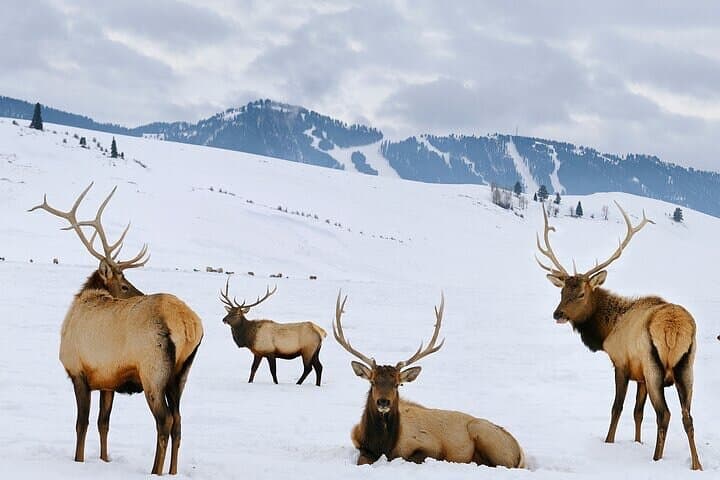
This short, focused outing centers on winter wildlife habitat in Grand Teton National Park and the adjoining National Elk Refuge. Geologically, the Tetons are a young, steep fault-block range carved and polished by Pleistocene glaciers; the valley below is a glacial trough where rivers braid and waterfowl concentrate. Culturally, the basin carried Shoshone travel routes and later mountain man, ranching, and conservation histories—the National Elk Refuge was created in 1912 to protect wintering elk herds.
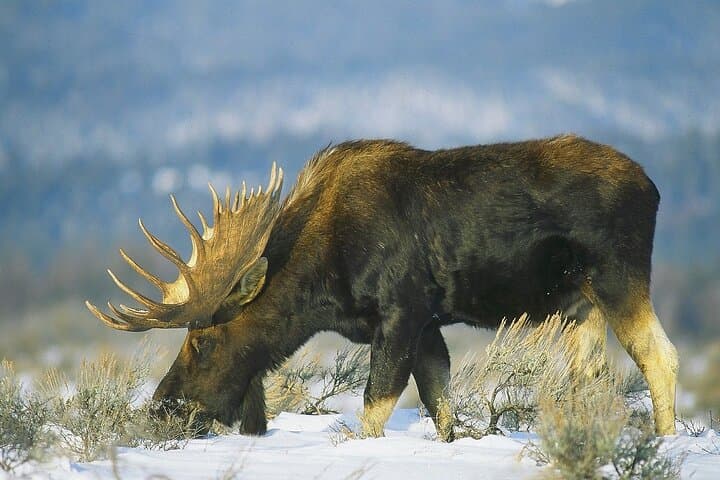
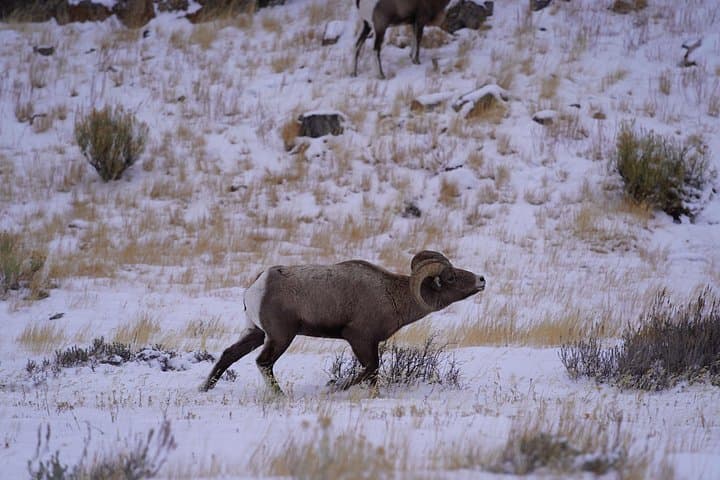
Expect guided stops for spotting scope views, narration on species behavior, and photo-friendly pullouts like Oxbow Bend and refuge overlooks. Wildlife sightings commonly include elk, moose, bison, bighorn sheep, coyotes and bald eagles; wolves are possible but rare. Weather imposes the schedule—short daylight and cold temperatures shape both animal movements and where the vehicle can safely go.
Practical guidance: dress in warm layers, bring a windproof outer layer and insulated boots, and charge your camera—thermals and fingerless gloves speed quick photo operations. Listen to the guide’s approach distances; most mammals are easily stressed in winter. With binoculars and a spotting scope provided, the tour is accessible for travelers of modest fitness but rewards patience and quiet observation.
easy.
2–3 hours.
Minimal fitness required; tour is vehicle-based with short on-foot stops—able-bodied mobility for small steps in snow recommended.
The private tour runs about 2–3 hours and typically begins with pick-up near the Jackson visitor/welcome center or an agreed local pickup point in Jackson.
No sighting is guaranteed—moose and elk are common in winter, wolves are rare; the guide maximizes chances by visiting known wintering areas and using scopes.
Yes—it's vehicle-based with short, low-impact stops; strollers can be accommodated and guides adjust pace for mixed groups.
Yes—binoculars and a spotting scope are included, though many guests bring personal binoculars for convenience.
The valley has long been used by Shoshone people and later fur trappers and ranchers; the National Elk Refuge was established in 1912 to protect wintering elk populations.
Winter protocols emphasize keeping distance from wildlife, staying on roads or designated pullouts, and supporting local guides who follow Leave No Trace and refuge rules to minimize disturbance.
Mountain Resort Chauffeured Transportation operates guided outdoor trips and adventures with an emphasis on safety, stewardship, and memorable experiences.
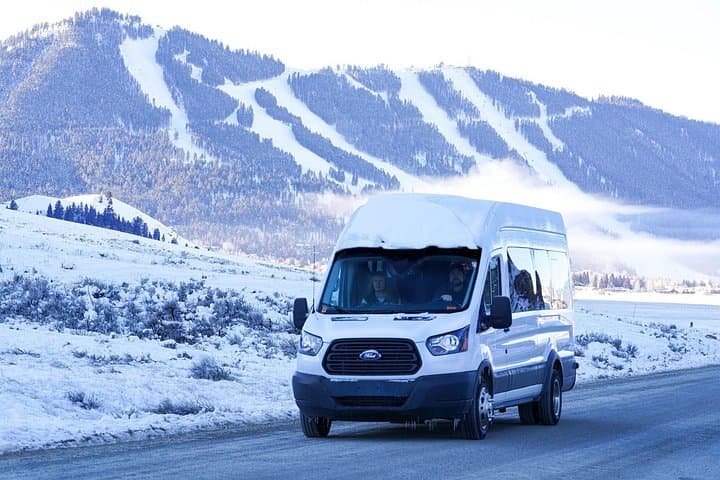
Dawn light slices the Teton skyline and a cold, brittle breath moves through sagebrush as your van eases onto the park road. In a high-top vehicle with wide windows and a naturalist at the wheel, the valley opens in increments: marshy ponds rimmed with ice, pale elk outlines in distant fields, and the jagged spine of the Tetons holding the horizon.
Dawn light slices the Teton skyline and a cold, brittle breath moves through sagebrush as your van eases onto the park road. In a high-top vehicle with wide windows and a naturalist at the wheel, the valley opens in increments: marshy ponds rimmed with ice, pale elk outlines in distant fields, and the jagged spine of the Tetons holding the horizon.
This short, focused outing centers on winter wildlife habitat in Grand Teton National Park and the adjoining National Elk Refuge. Geologically, the Tetons are a young, steep fault-block range carved and polished by Pleistocene glaciers; the valley below is a glacial trough where rivers braid and waterfowl concentrate. Culturally, the basin carried Shoshone travel routes and later mountain man, ranching, and conservation histories—the National Elk Refuge was created in 1912 to protect wintering elk herds.
Expect guided stops for spotting scope views, narration on species behavior, and photo-friendly pullouts like Oxbow Bend and refuge overlooks. Wildlife sightings commonly include elk, moose, bison, bighorn sheep, coyotes and bald eagles; wolves are possible but rare. Weather imposes the schedule—short daylight and cold temperatures shape both animal movements and where the vehicle can safely go.
Practical guidance: dress in warm layers, bring a windproof outer layer and insulated boots, and charge your camera—thermals and fingerless gloves speed quick photo operations. Listen to the guide’s approach distances; most mammals are easily stressed in winter. With binoculars and a spotting scope provided, the tour is accessible for travelers of modest fitness but rewards patience and quiet observation.