THE ADVENTURE COLLECTIVE® · Independent discovery and booking for outdoor travel

Spend a golden evening in Grand Teton National Park watching elk, moose and raptors gather in the valley below jagged peaks. This guided sunset tour from Jackson Hole combines expert spotting, short walks, park history and a picnic dinner during a 4–5 hour wildlife run.
Spend a golden evening in Grand Teton National Park watching elk, moose and raptors gather in the valley below jagged peaks. This guided sunset tour from Jackson Hole combines expert spotting, short walks, park history and a picnic dinner during a 4–5 hour wildlife run.
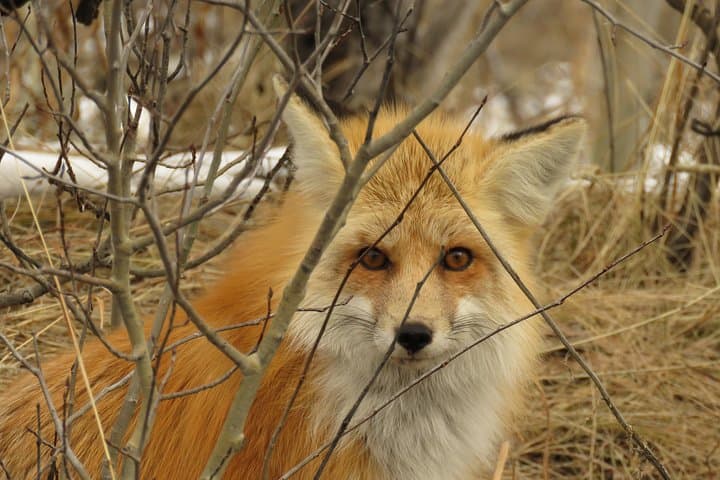
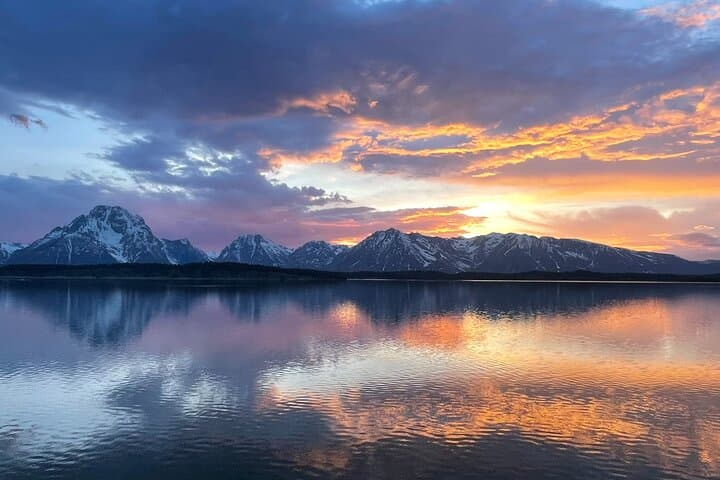
The sun eases behind the jagged teeth of the Teton Range and the valley exhales—gold light pools on rivers, and cottonwoods along the Snake River rustle like an audience waiting. On the roadside, a guide lowers the engine, lifts a pair of binoculars and points. Everyone leans forward. A bull elk rakes the meadow; a lone otter slips into reflective water. This is not a postcard moment so much as an organized revelation: a five-hour sweep through Grand Teton National Park built for animal sightings and big Western geology.
Verified experiences and guided adventures in the surrounding area.
Operated by Yellowstone Day Tours · Jackson, Wyoming
The sun eases behind the jagged teeth of the Teton Range and the valley exhales—gold light pools on rivers, and cottonwoods along the Snake River rustle like an audience waiting. On the roadside, a guide lowers the engine, lifts a pair of binoculars and points. Everyone leans forward. A bull elk rakes the meadow; a lone otter slips into reflective water. This is not a postcard moment so much as an organized revelation: a five-hour sweep through Grand Teton National Park built for animal sightings and big Western geology.
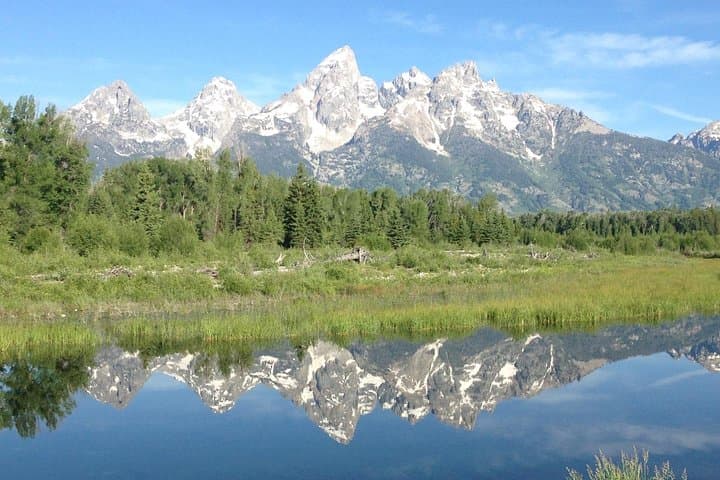
The route reads like a highlights reel of Jackson Hole country: Mormon Row’s whitewashed Moulton barn standing against sky-rimmed peaks, the mirror-smooth calm of Oxbow Bend, the glacial-fed bowl of Jenny Lake and the quieter Pilgrim Creek meadows. Geologically, the Tetons are dramatic because they rise without foothills—massive fault-block mountains that bruise the skyline with cliffs and cirques carved by Pleistocene ice. Culturally, the valley bears the imprint of Shoshone people and later Mormon homesteaders whose barns and fences still punctuate the prairie.
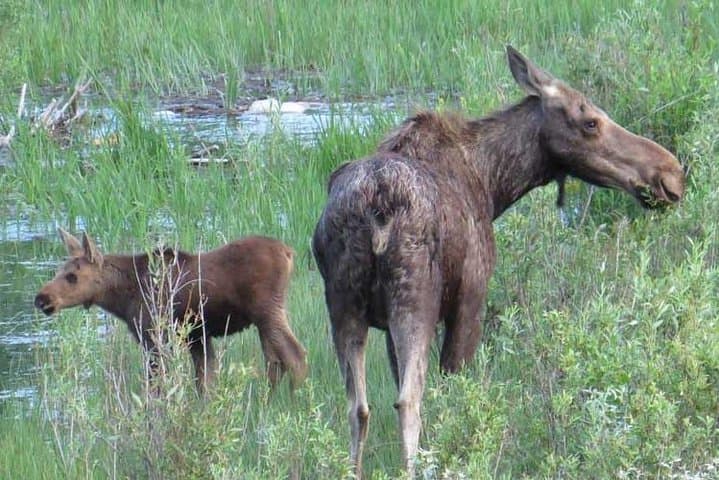
Guides on this tour work as naturalists and spotters, listening for the rattle of antlers, watching river edges for beaver signs, and timing stops so light and wildlife overlap. Because wildlife follows water, the Snake River and its oxbows are prime viewing corridors; birds gather where currents slow, and moose pick through willow tangles. Local history seeps into stops—Mormon Row is a lesson in early 20th-century homesteading; Jenny Lake tells of glaciers and Firehole Creek-style drainage carved over millennia.
Practical side: this is a drive-based tour with short walks and multiple photo stops, 4–5 hours long with park entrance, picnic dinner, binoculars and hotel pickup included. Dress in layers: evenings in the valley cool quickly even in summer. Bring a zoom lens or good binoculars; your chance of seeing big mammals is aided by patient scanning and a quiet voice.
Timing is everything: sunset tours compress the light-and-wildlife window into the last hour, which is when elk move and bears become active. Peak viewing runs late spring through early fall; autumn brings rutting bulls and copper-colored meadows. Accessibility is good—vehicles and stops are set up for a range of mobility levels, but stay with the group and follow guide instructions for safety around wildlife.
If you want the cinematic view without the logistics, this tour hands you context, close looks and a boxed picnic as the day tilts toward night—an efficient, sensory entry into one of the Rockies’ most theatrical landscapes.
easy.
4–5 hours.
Suitable for most fitness levels; requires short, gentle walks and standing during photo stops
The tour lasts about 4–5 hours and includes park entrance, hotel pickup/drop-off in Jackson, binoculars, a guide and a picnic dinner.
No wildlife sightings can be guaranteed, but guides know the best seasonal corridors and the tour has a strong track record for elk, moose, bison and birds.
Yes—operators list the tour as accessible for a wide range of fitness levels; minimum age is 6 for shared tours.
Dress in layers, bring closed-toe shoes, a hat, water, camera gear and any personal medications; insect repellent is useful in spring and summer.
Yes—guides are experienced naturalists who enforce safe viewing distances and explain park rules and seasonal closures.
For a full refund cancel at least 24 hours before departure; last-minute cancellations are non-refundable.
Mormon Row and the Moulton barns are remnants of early 20th-century homesteading; the valley was long used by Shoshone people before Euro-American settlement.
Grand Teton uses seasonal closures and visitor education to protect calving elk and bear habitats—stay on roads, pack out waste and obey guide directions to minimize impact.
Yellowstone Day Tours operates guided outdoor trips and adventures with an emphasis on safety, stewardship, and memorable experiences.
The sun eases behind the jagged teeth of the Teton Range and the valley exhales—gold light pools on rivers, and cottonwoods along the Snake River rustle like an audience waiting. On the roadside, a guide lowers the engine, lifts a pair of binoculars and points. Everyone leans forward. A bull elk rakes the meadow; a lone otter slips into reflective water. This is not a postcard moment so much as an organized revelation: a five-hour sweep through Grand Teton National Park built for animal sightings and big Western geology.
The sun eases behind the jagged teeth of the Teton Range and the valley exhales—gold light pools on rivers, and cottonwoods along the Snake River rustle like an audience waiting. On the roadside, a guide lowers the engine, lifts a pair of binoculars and points. Everyone leans forward. A bull elk rakes the meadow; a lone otter slips into reflective water. This is not a postcard moment so much as an organized revelation: a five-hour sweep through Grand Teton National Park built for animal sightings and big Western geology.
The route reads like a highlights reel of Jackson Hole country: Mormon Row’s whitewashed Moulton barn standing against sky-rimmed peaks, the mirror-smooth calm of Oxbow Bend, the glacial-fed bowl of Jenny Lake and the quieter Pilgrim Creek meadows. Geologically, the Tetons are dramatic because they rise without foothills—massive fault-block mountains that bruise the skyline with cliffs and cirques carved by Pleistocene ice. Culturally, the valley bears the imprint of Shoshone people and later Mormon homesteaders whose barns and fences still punctuate the prairie.
Guides on this tour work as naturalists and spotters, listening for the rattle of antlers, watching river edges for beaver signs, and timing stops so light and wildlife overlap. Because wildlife follows water, the Snake River and its oxbows are prime viewing corridors; birds gather where currents slow, and moose pick through willow tangles. Local history seeps into stops—Mormon Row is a lesson in early 20th-century homesteading; Jenny Lake tells of glaciers and Firehole Creek-style drainage carved over millennia.
Practical side: this is a drive-based tour with short walks and multiple photo stops, 4–5 hours long with park entrance, picnic dinner, binoculars and hotel pickup included. Dress in layers: evenings in the valley cool quickly even in summer. Bring a zoom lens or good binoculars; your chance of seeing big mammals is aided by patient scanning and a quiet voice.
Timing is everything: sunset tours compress the light-and-wildlife window into the last hour, which is when elk move and bears become active. Peak viewing runs late spring through early fall; autumn brings rutting bulls and copper-colored meadows. Accessibility is good—vehicles and stops are set up for a range of mobility levels, but stay with the group and follow guide instructions for safety around wildlife.
If you want the cinematic view without the logistics, this tour hands you context, close looks and a boxed picnic as the day tilts toward night—an efficient, sensory entry into one of the Rockies’ most theatrical landscapes.