THE ADVENTURE COLLECTIVE® · Independent discovery and booking for outdoor travel

Spend a day tracing the spine of the Tetons with a small, naturalist-led group: historic homesteads, river bends that lure moose, and Signal Mountain panoramas. This full-day tour balances short hikes, wildlife viewing, and cultural context for first-time and returning visitors alike.
Spend a day tracing the spine of the Tetons with a small, naturalist-led group: historic homesteads, river bends that lure moose, and Signal Mountain panoramas. This full-day tour balances short hikes, wildlife viewing, and cultural context for first-time and returning visitors alike.
A wind lifts off the Snake River and carries the smell of cut sage and pine as the van eases onto the two-lane road into Grand Teton National Park. By midmorning the Tetons have grown from shapeshifted silhouettes into a wall of granite: vertical faces catching light, glaciers carving ragged teeth. Your guide shuts off the engine and the conversation drops—mountains have a way of crowding out small talk. Over the next six to eight hours, an eight-person group will thread together short hikes, history stops, and wildlife watches that make this landscape feel both enormous and intimate.
Verified experiences and guided adventures in the surrounding area.
Operated by Good Trip Adventures · Jackson, Wyoming
A wind lifts off the Snake River and carries the smell of cut sage and pine as the van eases onto the two-lane road into Grand Teton National Park. By midmorning the Tetons have grown from shapeshifted silhouettes into a wall of granite: vertical faces catching light, glaciers carving ragged teeth. Your guide shuts off the engine and the conversation drops—mountains have a way of crowding out small talk. Over the next six to eight hours, an eight-person group will thread together short hikes, history stops, and wildlife watches that make this landscape feel both enormous and intimate.
The day begins with the low wooden frames of Mormon Row, where homesteaders in the early 1900s built simple cabins and barns on the valley floor. Those weathered boards record fur trappers’ routes and the Civilian Conservation Corps trails that later formalized access through the park. Geologically, the Tetons are young—uplifted in the last 10 million years—and the park reads like an open book of glacial and riverine action: moraines, beaver ponds and the kinked course of the Snake River revealing the slow force of ice and water.
Cultural footprints are everywhere. The Menor brothers’ ferry and the Transfiguration Church point to the human efforts to make a living in this rugged place; park signage and guides draw attention to Indigenous use of riparian corridors long before Euro-American settlement. Wildlife is a central character—moose browse willows at pond edges, trumpeter swans patrol glassy water, and if you’re patient, elk or even a distant bear silhouette may appear against alpine ridgelines.
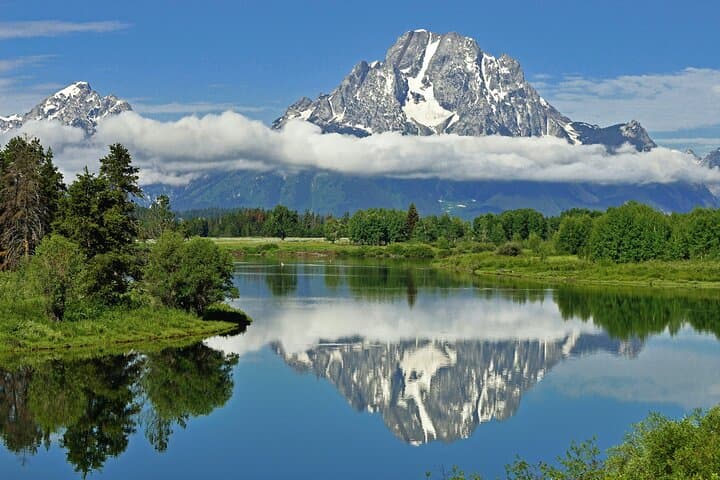
Logistics are straightforward but worth noting. This shared tour includes round-trip transport from Jackson or Teton Village, park entry, a medically trained naturalist guide and snacks; groups are intentionally small (max 8). Stops include Mormon Row and the Moulton Barns, Oxbow Bend for river and possible grizzly sightings, the Jenny Lake visitor area and Signal Mountain for a panoramic summit view. Trails range from easy boardwalks and flat river-side strolls to short uphill switchbacks—expect intermittent walking rather than a sustained backcountry push.
Practical tips: layer early and often—alpine mornings can be surprisingly cold, while midday sun is strong; bring a refillable water bottle, sturdy shoes with good tread, binoculars for wildlife, and a charged camera. If your group doesn’t meet the minimum, organizers give the option to go private or refund. For photographers and first-time visitors, timing your day to include low-angle light on the barns or the reflective stillness of beaver ponds will reward you.
By dusk, the day’s map of stops stitches into a single story: geological drama, human perseverance, and a living ecosystem that refuses to be background scenery. The park dares you to slow down, look closely and leave with questions as much as pictures.
moderate.
6–8 hours.
Suitable for people with average fitness who can walk 1–3 miles over varied footing and stand for wildlife viewing periods.
The tour runs about 6–8 hours with short hikes and several stops; expect intermittent walking totaling 1–3 miles rather than a continuous long hike.
Park entry fees are included in the tour price, so you don’t need to purchase a separate pass for the day.
Common sightings include moose, elk, waterfowl and occasionally bears or wolves at a distance—guides use optics and knowledge of animal behavior to increase viewing chances.
Snacks and a selection of beverages are provided; bring a packed lunch if you prefer specific foods or larger portions.
If the minimum isn’t met, you’ll be offered the option to make the tour private for an extra fee or receive a full refund.
Yes—stops and walks are family-friendly and the tour is labeled suitable for all physical fitness levels; however, bring layers and ensure children can manage multiple short walks.
Mormon Row and the Moulton Barns reflect early 20th-century homesteading; the valley’s ranching landscape shaped the park’s cultural character.
Grand Teton emphasizes low-impact wildlife viewing and staying on trails to protect riparian habitat; follow guide instructions and pack out waste.
Good Trip Adventures operates guided outdoor trips and adventures with an emphasis on safety, stewardship, and memorable experiences.
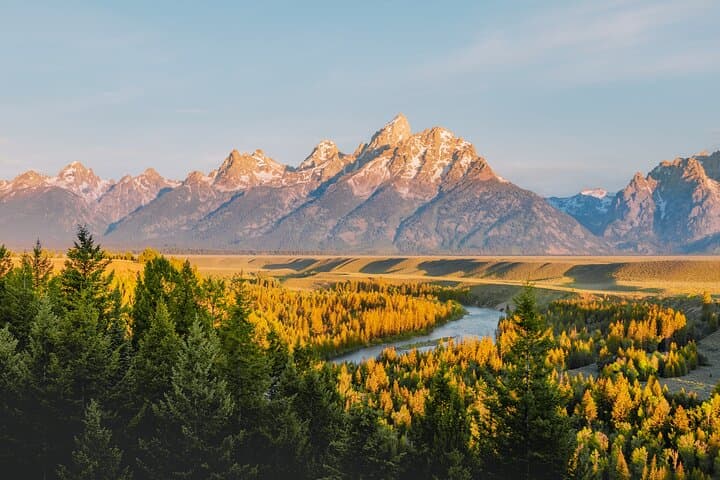
A wind lifts off the Snake River and carries the smell of cut sage and pine as the van eases onto the two-lane road into Grand Teton National Park. By midmorning the Tetons have grown from shapeshifted silhouettes into a wall of granite: vertical faces catching light, glaciers carving ragged teeth. Your guide shuts off the engine and the conversation drops—mountains have a way of crowding out small talk. Over the next six to eight hours, an eight-person group will thread together short hikes, history stops, and wildlife watches that make this landscape feel both enormous and intimate.
A wind lifts off the Snake River and carries the smell of cut sage and pine as the van eases onto the two-lane road into Grand Teton National Park. By midmorning the Tetons have grown from shapeshifted silhouettes into a wall of granite: vertical faces catching light, glaciers carving ragged teeth. Your guide shuts off the engine and the conversation drops—mountains have a way of crowding out small talk. Over the next six to eight hours, an eight-person group will thread together short hikes, history stops, and wildlife watches that make this landscape feel both enormous and intimate.
The day begins with the low wooden frames of Mormon Row, where homesteaders in the early 1900s built simple cabins and barns on the valley floor. Those weathered boards record fur trappers’ routes and the Civilian Conservation Corps trails that later formalized access through the park. Geologically, the Tetons are young—uplifted in the last 10 million years—and the park reads like an open book of glacial and riverine action: moraines, beaver ponds and the kinked course of the Snake River revealing the slow force of ice and water.
Cultural footprints are everywhere. The Menor brothers’ ferry and the Transfiguration Church point to the human efforts to make a living in this rugged place; park signage and guides draw attention to Indigenous use of riparian corridors long before Euro-American settlement. Wildlife is a central character—moose browse willows at pond edges, trumpeter swans patrol glassy water, and if you’re patient, elk or even a distant bear silhouette may appear against alpine ridgelines.
Logistics are straightforward but worth noting. This shared tour includes round-trip transport from Jackson or Teton Village, park entry, a medically trained naturalist guide and snacks; groups are intentionally small (max 8). Stops include Mormon Row and the Moulton Barns, Oxbow Bend for river and possible grizzly sightings, the Jenny Lake visitor area and Signal Mountain for a panoramic summit view. Trails range from easy boardwalks and flat river-side strolls to short uphill switchbacks—expect intermittent walking rather than a sustained backcountry push.
Practical tips: layer early and often—alpine mornings can be surprisingly cold, while midday sun is strong; bring a refillable water bottle, sturdy shoes with good tread, binoculars for wildlife, and a charged camera. If your group doesn’t meet the minimum, organizers give the option to go private or refund. For photographers and first-time visitors, timing your day to include low-angle light on the barns or the reflective stillness of beaver ponds will reward you.
By dusk, the day’s map of stops stitches into a single story: geological drama, human perseverance, and a living ecosystem that refuses to be background scenery. The park dares you to slow down, look closely and leave with questions as much as pictures.