THE ADVENTURE COLLECTIVE® · Independent discovery and booking for outdoor travel

Spend a full day crossing the Grand Staircase with a local guide, exploring the "Underside of Bryce" — from sculpted sandstone cliffs to tight slot canyons. This private tour combines easy walks, wildlife viewing, and hands-on geology for a vivid introduction to southern Utah's layered landscape.
Spend a full day crossing the Grand Staircase with a local guide, exploring the "Underside of Bryce" — from sculpted sandstone cliffs to tight slot canyons. This private tour combines easy walks, wildlife viewing, and hands-on geology for a vivid introduction to southern Utah's layered landscape.
Morning light slices across red and cream cliffs as your guide pulls up outside a hotel in Bryce Canyon City. The air is thin and cool; the valley smells faintly of sage and road dust. You slide into an enclosed side-by-side and Jerry, who has spent most of his life on the Grand Staircase, eases you onto a dirt track. For the next seven to ten hours the land will rearrange how you measure time: one turn, one canyon, one shale band at a time.
Verified experiences and guided adventures in the surrounding area.
Operated by Open Country Adventures · Bryce Canyon City, Utah
Morning light slices across red and cream cliffs as your guide pulls up outside a hotel in Bryce Canyon City. The air is thin and cool; the valley smells faintly of sage and road dust. You slide into an enclosed side-by-side and Jerry, who has spent most of his life on the Grand Staircase, eases you onto a dirt track. For the next seven to ten hours the land will rearrange how you measure time: one turn, one canyon, one shale band at a time.
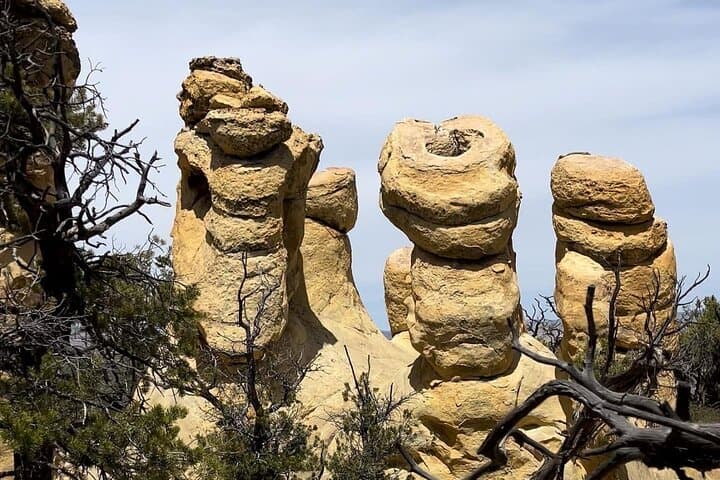
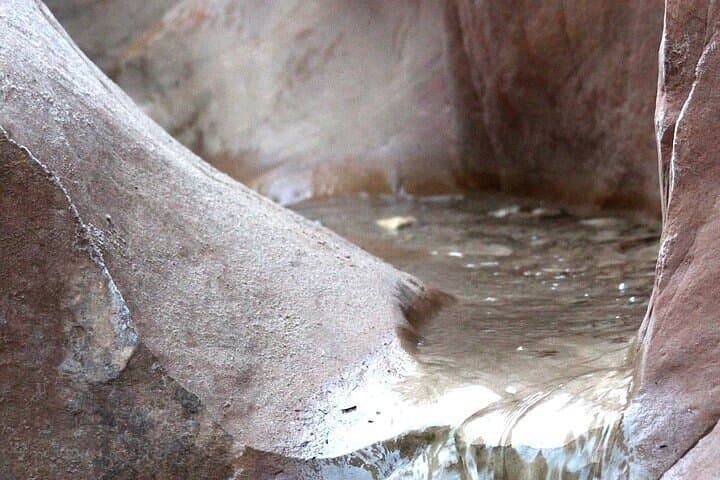
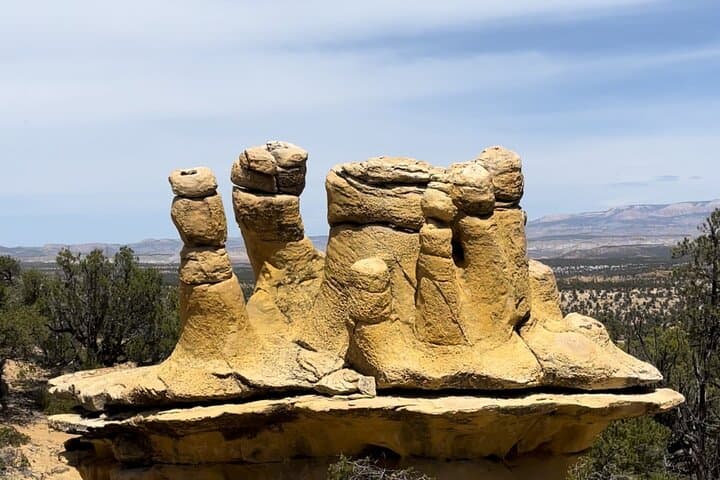
This is a tour about layers — literal and lived. The Grand Staircase is a stair-step succession of rock from the Paunsaugunt Plateau down toward the Grand Canyon, and its faces record 100 million years of shifting seas, sand dunes and river deposits. Your guide points out Navajo Sandstone walls polished by wind, pockets of cross-bedded rock that read like fossilized dunes, and the thin orange of softer limestones that erosion eats away into hoodoos and alcoves. In places the ground falls away into narrow slot canyons, where light becomes a vertical ribbon and every footstep echoes differently.
Wildlife punctuates the route: mule deer browse along cool draws, raptors wheel overhead, and signs of elk and black bear appear in scat and flattened grass. Cultural notes come up between viewpoints — Paiute place names, pioneer grazing routes, and how resource use changed when the area entered federal protection. Jerry will weave geology, local history and natural history into the drive, making technical terms feel immediate.
Practicalities matter on a day like this. The tour covers rough backcountry roads and paved stretches — expect about 7–10 hours, roughly 100 miles of driving, and short guided walks rather than long hikes. Elevation ranges commonly between 6,000–8,000 feet, so drink water and move slowly if you’re not acclimated. Lunch is included, and the enclosed side-by-side shelters you from wind and dust while still offering wide sightlines.
What to bring: sturdy closed-toe shoes for slot-canyon steps, layered clothing for fluctuating temperatures, sun protection, and a camera with a wide-angle lens to capture towering walls and tight light shafts. If you’re prone to motion sickness, plan accordingly; some segments are bumpy.
By late afternoon you’ll have a pile of small surprises — eroded amphitheaters that feel like other planets, a sudden stand of pinyon and juniper, and the quiet, stubborn presence of wildlife. It’s a relaxing day in the best sense: the land does the heavy lifting, and you leave with a clearer sense of how deep time, weather and a patient guide turn stone into stories.
moderate.
7–10 hours.
Suitable for most fitness levels; expect short on-foot sections and long periods in a vehicle—being comfortable with uneven terrain helps.
The private tour runs roughly 7–10 hours (about 420–600 minutes), including driving and short guided walks.
Yes — the enclosed side-by-side accommodates various ages and abilities; guide can adjust pace and walking distances.
Lunch is included in the tour price.
Wear layered clothing, closed-toe shoes, a sun hat and bring a wind layer; temperatures can change through the day.
No — the tour focuses on scenic drives and short walks into viewpoints and slot canyons rather than long backcountry hikes.
Yes — common sightings include mule deer, elk signs and birds of prey; black bear sightings are possible but less common.
The Grand Staircase records sequential rock layers laid down over millions of years; the area has been inhabited and traversed by Indigenous peoples long before Euro-American settlement.
Stay on vehicle tracks and marked paths to limit erosional damage; pack out all trash and follow Leave No Trace in fragile desert soils.
Open Country Adventures operates guided outdoor trips and adventures with an emphasis on safety, stewardship, and memorable experiences.
Morning light slices across red and cream cliffs as your guide pulls up outside a hotel in Bryce Canyon City. The air is thin and cool; the valley smells faintly of sage and road dust. You slide into an enclosed side-by-side and Jerry, who has spent most of his life on the Grand Staircase, eases you onto a dirt track. For the next seven to ten hours the land will rearrange how you measure time: one turn, one canyon, one shale band at a time.
Morning light slices across red and cream cliffs as your guide pulls up outside a hotel in Bryce Canyon City. The air is thin and cool; the valley smells faintly of sage and road dust. You slide into an enclosed side-by-side and Jerry, who has spent most of his life on the Grand Staircase, eases you onto a dirt track. For the next seven to ten hours the land will rearrange how you measure time: one turn, one canyon, one shale band at a time.
This is a tour about layers — literal and lived. The Grand Staircase is a stair-step succession of rock from the Paunsaugunt Plateau down toward the Grand Canyon, and its faces record 100 million years of shifting seas, sand dunes and river deposits. Your guide points out Navajo Sandstone walls polished by wind, pockets of cross-bedded rock that read like fossilized dunes, and the thin orange of softer limestones that erosion eats away into hoodoos and alcoves. In places the ground falls away into narrow slot canyons, where light becomes a vertical ribbon and every footstep echoes differently.
Wildlife punctuates the route: mule deer browse along cool draws, raptors wheel overhead, and signs of elk and black bear appear in scat and flattened grass. Cultural notes come up between viewpoints — Paiute place names, pioneer grazing routes, and how resource use changed when the area entered federal protection. Jerry will weave geology, local history and natural history into the drive, making technical terms feel immediate.
Practicalities matter on a day like this. The tour covers rough backcountry roads and paved stretches — expect about 7–10 hours, roughly 100 miles of driving, and short guided walks rather than long hikes. Elevation ranges commonly between 6,000–8,000 feet, so drink water and move slowly if you’re not acclimated. Lunch is included, and the enclosed side-by-side shelters you from wind and dust while still offering wide sightlines.
What to bring: sturdy closed-toe shoes for slot-canyon steps, layered clothing for fluctuating temperatures, sun protection, and a camera with a wide-angle lens to capture towering walls and tight light shafts. If you’re prone to motion sickness, plan accordingly; some segments are bumpy.
By late afternoon you’ll have a pile of small surprises — eroded amphitheaters that feel like other planets, a sudden stand of pinyon and juniper, and the quiet, stubborn presence of wildlife. It’s a relaxing day in the best sense: the land does the heavy lifting, and you leave with a clearer sense of how deep time, weather and a patient guide turn stone into stories.