THE ADVENTURE COLLECTIVE® · Independent discovery and booking for outdoor travel

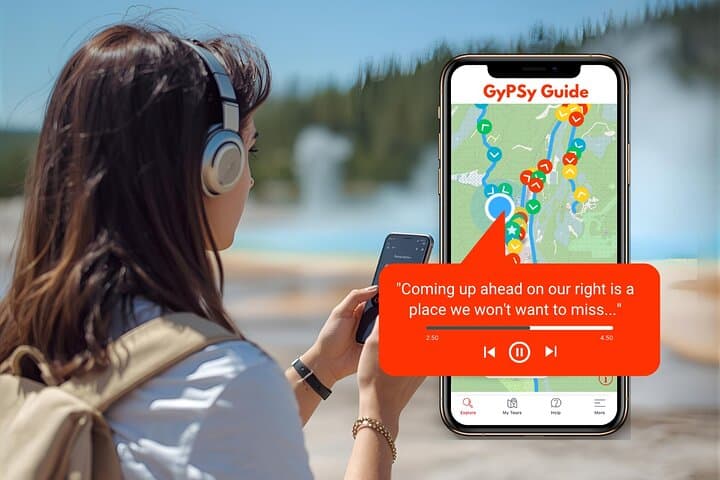
Walk from Fairy Falls parking to the Grand Prismatic Overlook with an offline audio guide that narrates geology, history, and route tips as you go. Download before you enter the park and expect a 2–3 hour easy-to-moderate outing with spectacular thermal colors and fragile microbial features.
Walk from Fairy Falls parking to the Grand Prismatic Overlook with an offline audio guide that narrates geology, history, and route tips as you go. Download before you enter the park and expect a 2–3 hour easy-to-moderate outing with spectacular thermal colors and fragile microbial features.
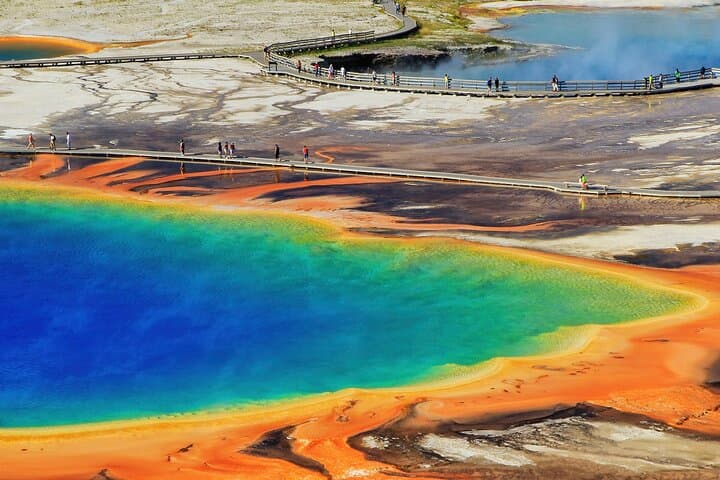
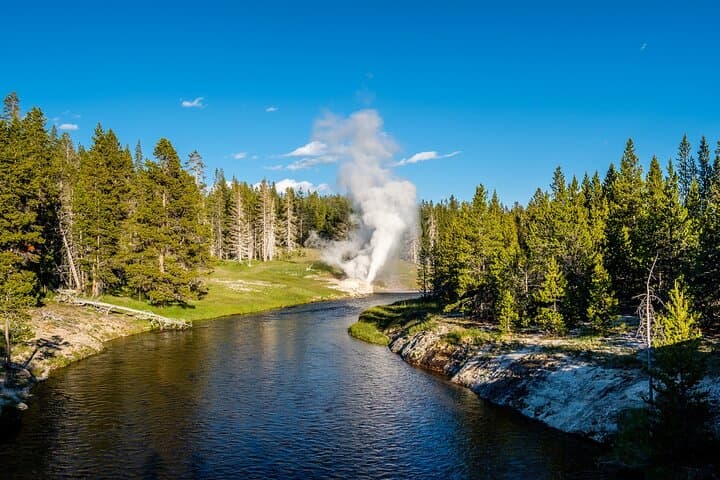
You step off the boardwalk into a whisper of steam and the Firehole River dares you to keep walking—its fog drifting across the trail as if testing your resolve. The approach from the Fairy Falls parking area climbs gently through lodgepole and sage, the vegetation thinning as geothermal breathings push heat and color across the basin. From the overlook the Grand Prismatic shows its scale: an impossible blue center rimmed in orange and green microbial mats that seem to pulse with life.
Verified experiences and guided adventures in the surrounding area.
Operated by Gypsy Guide GPS LLC · West Yellowstone, Wyoming
You step off the boardwalk into a whisper of steam and the Firehole River dares you to keep walking—its fog drifting across the trail as if testing your resolve. The approach from the Fairy Falls parking area climbs gently through lodgepole and sage, the vegetation thinning as geothermal breathings push heat and color across the basin. From the overlook the Grand Prismatic shows its scale: an impossible blue center rimmed in orange and green microbial mats that seem to pulse with life.
This landscape sits above the Yellowstone Caldera, sculpted by ash and lava over millennia. The Hayden Expedition of 1871 brought the first scientific attention here; today the site stands as a classroom for hydrothermal geology and microbial ecology. Locals and rangers stress one simple cultural code—observe, don’t touch—the spring’s colors depend on fragile bacteria and precise chemistry.
The GuideAlong audio tour layers short, location-triggered stories—volcanic history, how microbial mats create color, and practical wayfinding—so you learn as you move. Download before you enter the park: there’s little cell service. Expect uneven packed-earth trail, a gentle climb to the overlook, and boardwalk sections where crowds collect. Bring quiet patience for other visitors and binoculars for birds or distant bison.
Practical edge: plan for 2–3 hours at an easy-to-moderate pace, wear sturdy shoes, carry 1–2 liters of water, and use a power bank if you’ll stream audio. Stay on designated paths—both the scenery and the science depend on it.
moderate.
2–3 hours.
Comfortable walking fitness; able to handle 3–5 miles of varied trail surfaces and short climbs
Allow roughly 2–3 hours round trip at a relaxed pace, including time to listen to audio stops and photograph the overlook.
No—download the GuideAlong app and the tour over reliable Wi‑Fi before you enter the park; the tour runs offline via GPS.
The overlook viewpoint requires a short uphill walk on uneven trail; the main boardwalks around the basin are more level, but accessibility is limited—check specific trail conditions before visiting.
Pets are not allowed on boardwalks near thermal features within Yellowstone due to safety and wildlife regulations; verify park pet policies before you go.
Exploration by the 1871 Hayden Expedition helped bring Yellowstone’s geothermal wonders to national attention; many nearby features were documented during that survey.
Thermal microbial mats are extremely fragile—staying on trails and boardwalks minimizes damage and helps preserve colors and chemistry for future visitors.
Gypsy Guide GPS LLC operates guided outdoor trips and adventures with an emphasis on safety, stewardship, and memorable experiences.
You step off the boardwalk into a whisper of steam and the Firehole River dares you to keep walking—its fog drifting across the trail as if testing your resolve. The approach from the Fairy Falls parking area climbs gently through lodgepole and sage, the vegetation thinning as geothermal breathings push heat and color across the basin. From the overlook the Grand Prismatic shows its scale: an impossible blue center rimmed in orange and green microbial mats that seem to pulse with life.
You step off the boardwalk into a whisper of steam and the Firehole River dares you to keep walking—its fog drifting across the trail as if testing your resolve. The approach from the Fairy Falls parking area climbs gently through lodgepole and sage, the vegetation thinning as geothermal breathings push heat and color across the basin. From the overlook the Grand Prismatic shows its scale: an impossible blue center rimmed in orange and green microbial mats that seem to pulse with life.
This landscape sits above the Yellowstone Caldera, sculpted by ash and lava over millennia. The Hayden Expedition of 1871 brought the first scientific attention here; today the site stands as a classroom for hydrothermal geology and microbial ecology. Locals and rangers stress one simple cultural code—observe, don’t touch—the spring’s colors depend on fragile bacteria and precise chemistry.
The GuideAlong audio tour layers short, location-triggered stories—volcanic history, how microbial mats create color, and practical wayfinding—so you learn as you move. Download before you enter the park: there’s little cell service. Expect uneven packed-earth trail, a gentle climb to the overlook, and boardwalk sections where crowds collect. Bring quiet patience for other visitors and binoculars for birds or distant bison.
Practical edge: plan for 2–3 hours at an easy-to-moderate pace, wear sturdy shoes, carry 1–2 liters of water, and use a power bank if you’ll stream audio. Stay on designated paths—both the scenery and the science depend on it.