THE ADVENTURE COLLECTIVE® · Independent discovery and booking for outdoor travel

Spend a concentrated half-day from Muscat visiting the Sultan Qaboos Grand Mosque, the historic Nakhal Fort and the cooling Al Thowarah Hot Spring. This private tour pairs cultural insight with short walks and scenic drives through Oman's wadi country.
Spend a concentrated half-day from Muscat visiting the Sultan Qaboos Grand Mosque, the historic Nakhal Fort and the cooling Al Thowarah Hot Spring. This private tour pairs cultural insight with short walks and scenic drives through Oman's wadi country.
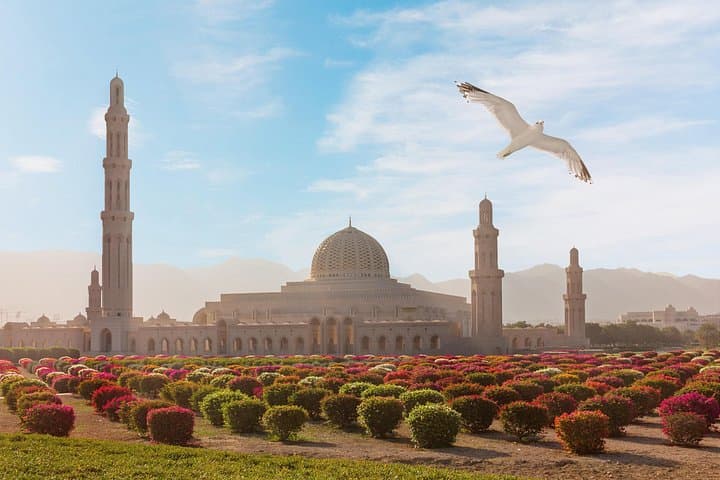
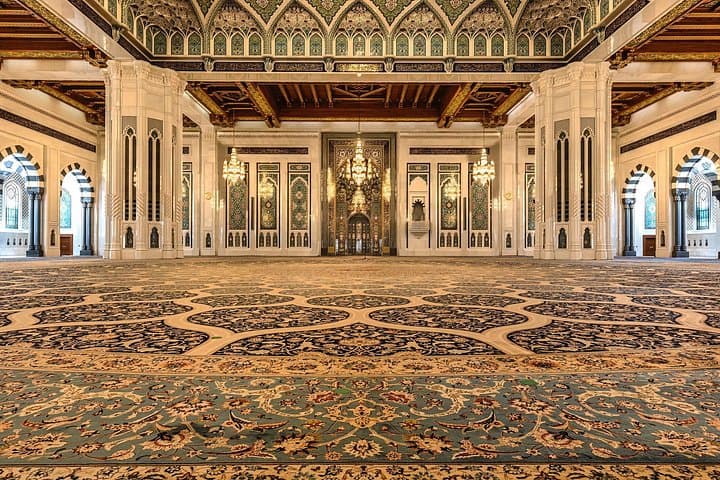
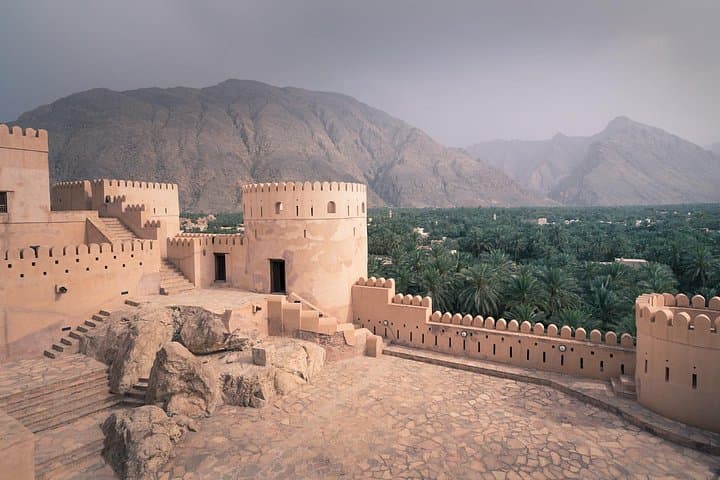
The morning light in Muscat cuts across marble courtyards and desert ridgelines as a private car threads out of the city toward the green pocket of Nakhal. Travelers step from air-conditioned comfort into the hush of the Sultan Qaboos Grand Mosque—its polished floors reflecting pillars like pale palms—before the road rolls them past palm groves and low mountains to the stout towers of Nakhal Fort and the unexpected cool stream of Al Thowarah Hot Spring.
Verified experiences and guided adventures in the surrounding area.
Operated by taxiGo Limo Airport Service · Muscat, Muscat Governorate
The morning light in Muscat cuts across marble courtyards and desert ridgelines as a private car threads out of the city toward the green pocket of Nakhal. Travelers step from air-conditioned comfort into the hush of the Sultan Qaboos Grand Mosque—its polished floors reflecting pillars like pale palms—before the road rolls them past palm groves and low mountains to the stout towers of Nakhal Fort and the unexpected cool stream of Al Thowarah Hot Spring.
The mosque, completed in the late 20th century, blends modern scale with traditional Omani craftsmanship: handwoven carpets, carved wood, and a vast prayer hall. Nakhal Fort, of older stone and defensive design, occupies a strategic wadi edge and carries layers of history—rebuilt and adapted across centuries to control oasis water and trade. Geologically, the route moves from coastal alluvium around Muscat into the foothills of the Hajar Mountains; springs here collect from fractured carbonates and rise where faults concentrate groundwater.
Culturally the day balances sacred space, military architecture and a working oasis. Local life appears in date palms, market stalls near the fort and the seasonal goat market that still gathers in the area.
Practical guidance: dress modestly for the mosque, wear sturdy walking shoes for uneven fort stairs, and carry water—shade is scarce between stops. A private tour compresses transit and interpretation into roughly four hours, making it an efficient introduction to Muscat’s religious landmarks, Omani fortifications and an accessible natural spring. Time visits early or late in the day to avoid peak heat and to catch softer light for photographs.
easy.
4 hours.
Suitable for most fitness levels; requires short walks and climbing stairs at the fort.
Yes, public entry to the mosque is typically free, though visiting hours and dress codes are enforced.
Admission specifics vary; the tour notes show admission is not included for some sites—confirm with the operator ahead of booking.
Yes; the tour is listed as physically easy and infant seats are available—bring sun protection and supervise children near water.
Yes, the tour includes pickup and drop-off at Muscat city center or hotels in the area.
Nakhal Fort sits beside an important wadi route and was adapted across centuries to manage water and protect agricultural estates; the Grand Mosque is a modern national monument showcasing Omani craftsmanship.
The hot spring and surrounding oases are sensitive to litter and water extraction; visitors should avoid polluting pools, stick to paths and support local waste practices.
taxiGo Limo Airport Service operates guided outdoor trips and adventures with an emphasis on safety, stewardship, and memorable experiences.

The morning light in Muscat cuts across marble courtyards and desert ridgelines as a private car threads out of the city toward the green pocket of Nakhal. Travelers step from air-conditioned comfort into the hush of the Sultan Qaboos Grand Mosque—its polished floors reflecting pillars like pale palms—before the road rolls them past palm groves and low mountains to the stout towers of Nakhal Fort and the unexpected cool stream of Al Thowarah Hot Spring.
The morning light in Muscat cuts across marble courtyards and desert ridgelines as a private car threads out of the city toward the green pocket of Nakhal. Travelers step from air-conditioned comfort into the hush of the Sultan Qaboos Grand Mosque—its polished floors reflecting pillars like pale palms—before the road rolls them past palm groves and low mountains to the stout towers of Nakhal Fort and the unexpected cool stream of Al Thowarah Hot Spring.
The mosque, completed in the late 20th century, blends modern scale with traditional Omani craftsmanship: handwoven carpets, carved wood, and a vast prayer hall. Nakhal Fort, of older stone and defensive design, occupies a strategic wadi edge and carries layers of history—rebuilt and adapted across centuries to control oasis water and trade. Geologically, the route moves from coastal alluvium around Muscat into the foothills of the Hajar Mountains; springs here collect from fractured carbonates and rise where faults concentrate groundwater.
Culturally the day balances sacred space, military architecture and a working oasis. Local life appears in date palms, market stalls near the fort and the seasonal goat market that still gathers in the area.
Practical guidance: dress modestly for the mosque, wear sturdy walking shoes for uneven fort stairs, and carry water—shade is scarce between stops. A private tour compresses transit and interpretation into roughly four hours, making it an efficient introduction to Muscat’s religious landmarks, Omani fortifications and an accessible natural spring. Time visits early or late in the day to avoid peak heat and to catch softer light for photographs.