THE ADVENTURE COLLECTIVE® · Independent discovery and booking for outdoor travel

From Casablanca’s Atlantic edge to the sand seas of Erg Chebbi, this 14-day private tour stitches Morocco’s landscapes, history, and living traditions into a paced, guided journey—ideal for travelers who want culture, desert nights, and mountain walks without logistics headaches.
From Casablanca’s Atlantic edge to the sand seas of Erg Chebbi, this 14-day private tour stitches Morocco’s landscapes, history, and living traditions into a paced, guided journey—ideal for travelers who want culture, desert nights, and mountain walks without logistics headaches.
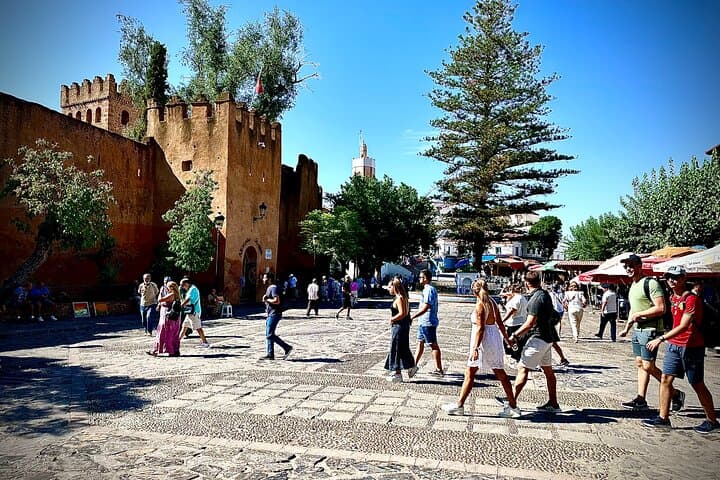
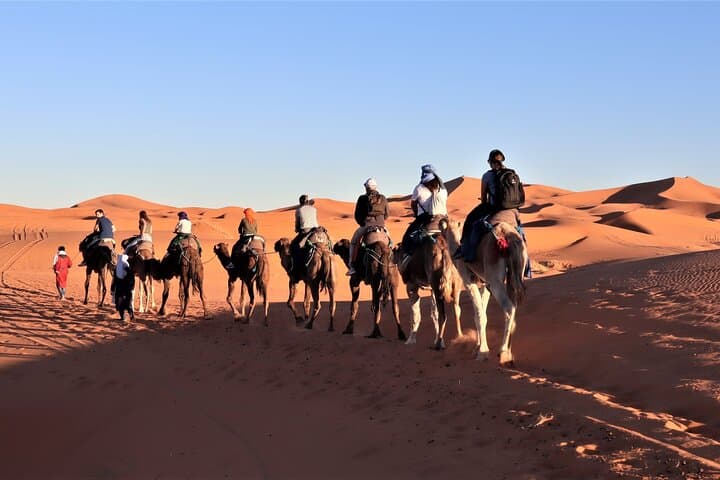
You step out of Casablanca’s airport into Atlantic air that smells of salt and diesel, and the city immediately presents itself—Hassan II Mosque’s minaret cutting the sky, traffic drifting like a river. Over the next two weeks that sea-of-roads becomes a corridor: into Rif-blue lanes of Chefchaouen, across the Atlas as it rises to 2,260 m at Tizi n’Tichka, and down into the burnished waves of Erg Chebbi where the dunes dare you to climb.
Verified experiences and guided adventures in the surrounding area.
Operated by Morocco Meta Adventures · Casablanca, Casablanca-Settat
You step out of Casablanca’s airport into Atlantic air that smells of salt and diesel, and the city immediately presents itself—Hassan II Mosque’s minaret cutting the sky, traffic drifting like a river. Over the next two weeks that sea-of-roads becomes a corridor: into Rif-blue lanes of Chefchaouen, across the Atlas as it rises to 2,260 m at Tizi n’Tichka, and down into the burnished waves of Erg Chebbi where the dunes dare you to climb.
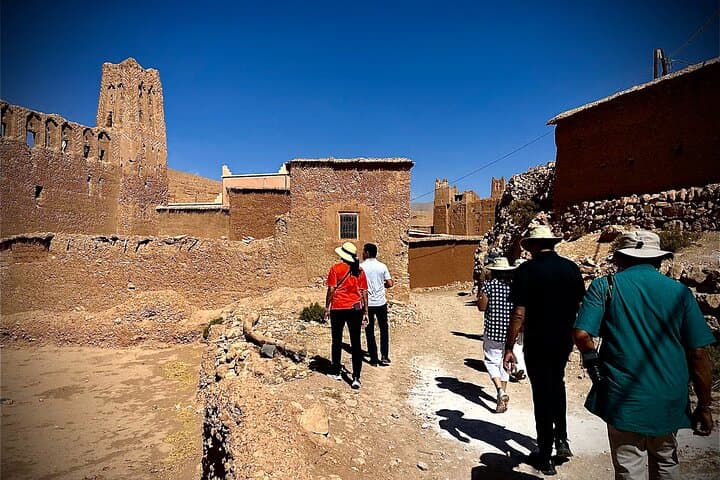
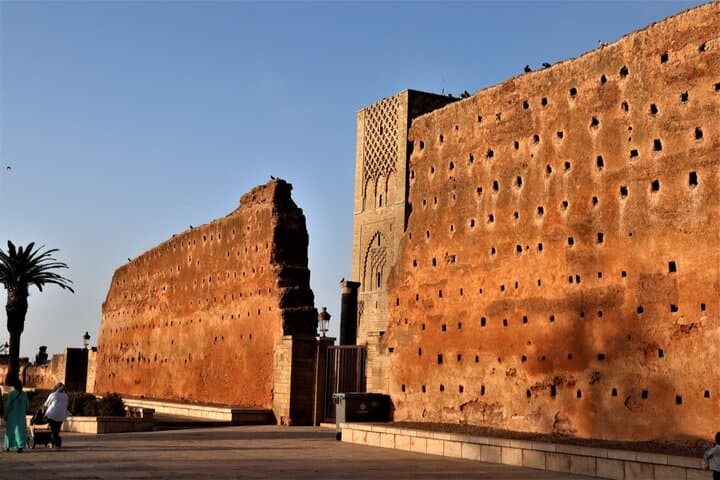
This itinerary threads Morocco’s major chapters: Roman mosaics at Volubilis, the Almohad and Saadian imprints in Fes and Marrakech, Amazigh (Berber) villages clinging to mountain terraces, and coastal Portuguese ramparts in Essaouira. Geology shapes the route—limestone gorges at Todra, alluvial Dades valley walls, and shifting aeolian dunes in the Sahara—each landscape carrying local crafts and foodways: argan oil presses, Gnawa music in Merzouga, tannery vats in Fes.
Practical edge: days alternate between driving and walking; expect narrow medina streets, uneven stone, and short guided hikes (Imlil valley). Travel light for transfers; your vehicle handles luggage but single-day packs make medina navigation easier. For desert nights, temperatures swing—layers and a headlamp are useful. Hydration, sun protection, and adaptable footwear keep the trip enjoyable. Bring cash for small souks and a curious appetite—this route is as much about slow cultural discovery as it is about landscapes that insist you look up and move forward.
moderate.
14 days.
Suitable for travelers in good general health; requires walking on uneven surfaces and short hikes at altitude.
Yes; the itinerary notes stroller and wheelchair accessibility in many places and has optional activities—confirm ages and needs when booking.
This is a road-based tour with several multi-hour drives between regions; expect both long travel days and full-day explorations.
Mostly moderate walking on uneven cobbles and short hikes (1–3 hours) in places like Imlil and Todra; not technical but requires steady footing.
Desert stays can range from comfortable camps with flush toilets and hot showers to simpler tents—this tour specifies luxury desert camp options.
Chefchaouen grew as a refuge for Moorish and Jewish exiles in the 15th century; Volubilis preserves Roman mosaics that predate many regional monuments.
Water scarcity and fragile dune ecosystems mean visitors should minimize plastic, use local guides who support sustainable camps, and avoid off-track dune driving.
Morocco Meta Adventures operates guided outdoor trips and adventures with an emphasis on safety, stewardship, and memorable experiences.
You step out of Casablanca’s airport into Atlantic air that smells of salt and diesel, and the city immediately presents itself—Hassan II Mosque’s minaret cutting the sky, traffic drifting like a river. Over the next two weeks that sea-of-roads becomes a corridor: into Rif-blue lanes of Chefchaouen, across the Atlas as it rises to 2,260 m at Tizi n’Tichka, and down into the burnished waves of Erg Chebbi where the dunes dare you to climb.
You step out of Casablanca’s airport into Atlantic air that smells of salt and diesel, and the city immediately presents itself—Hassan II Mosque’s minaret cutting the sky, traffic drifting like a river. Over the next two weeks that sea-of-roads becomes a corridor: into Rif-blue lanes of Chefchaouen, across the Atlas as it rises to 2,260 m at Tizi n’Tichka, and down into the burnished waves of Erg Chebbi where the dunes dare you to climb.
This itinerary threads Morocco’s major chapters: Roman mosaics at Volubilis, the Almohad and Saadian imprints in Fes and Marrakech, Amazigh (Berber) villages clinging to mountain terraces, and coastal Portuguese ramparts in Essaouira. Geology shapes the route—limestone gorges at Todra, alluvial Dades valley walls, and shifting aeolian dunes in the Sahara—each landscape carrying local crafts and foodways: argan oil presses, Gnawa music in Merzouga, tannery vats in Fes.
Practical edge: days alternate between driving and walking; expect narrow medina streets, uneven stone, and short guided hikes (Imlil valley). Travel light for transfers; your vehicle handles luggage but single-day packs make medina navigation easier. For desert nights, temperatures swing—layers and a headlamp are useful. Hydration, sun protection, and adaptable footwear keep the trip enjoyable. Bring cash for small souks and a curious appetite—this route is as much about slow cultural discovery as it is about landscapes that insist you look up and move forward.