THE ADVENTURE COLLECTIVE® · Independent discovery and booking for outdoor travel

A single full-day private tour switches between the state-of-the-art Grand Egyptian Museum and the open expanse of the Giza Plateau. Expect curated artifacts, guided context for Tutankhamun’s treasures, and up-close views of the Great Pyramid and Sphinx.
A single full-day private tour switches between the state-of-the-art Grand Egyptian Museum and the open expanse of the Giza Plateau. Expect curated artifacts, guided context for Tutankhamun’s treasures, and up-close views of the Great Pyramid and Sphinx.
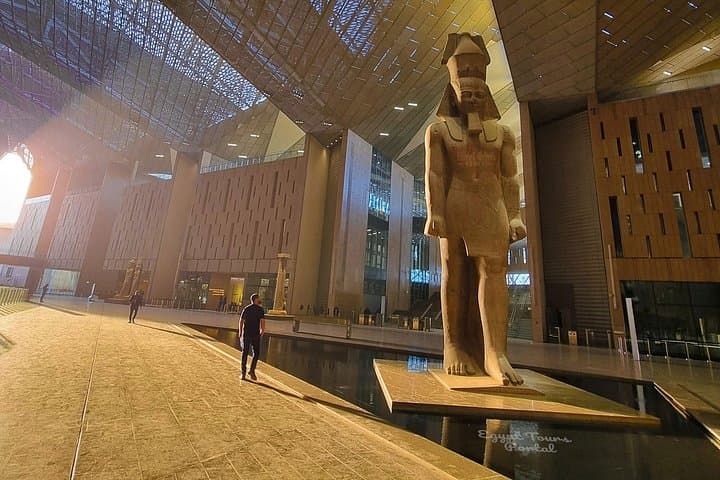
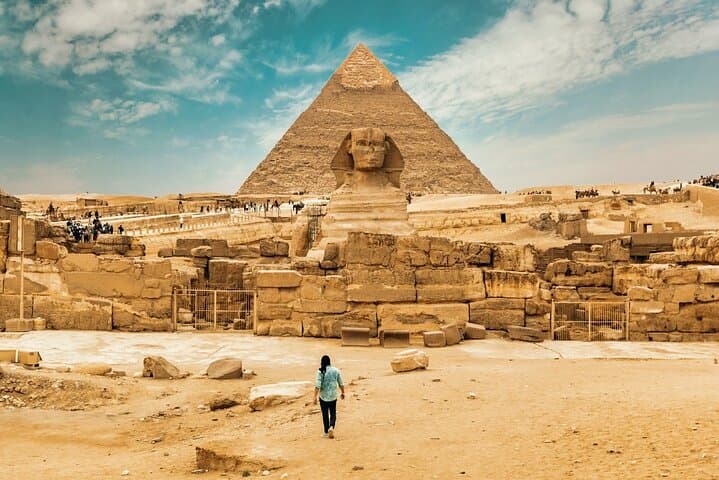
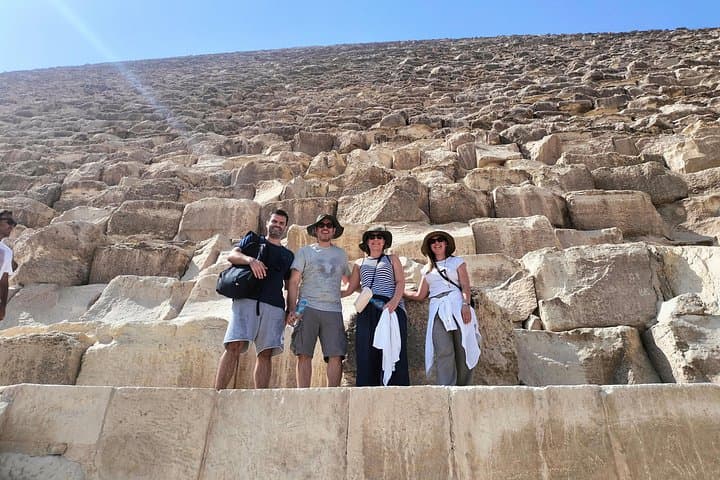
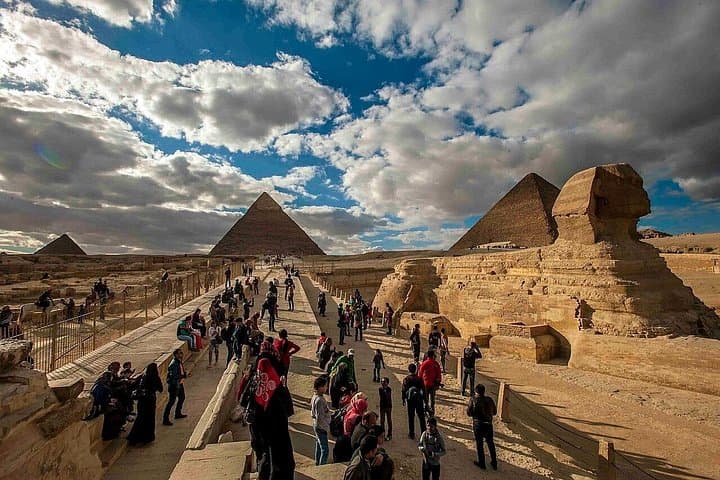
You arrive to the plate-glass broadness of the Grand Egyptian Museum plaza with the desert air still warm on your skin, then an hour later the stone faces of the Giza pyramids rise against the horizon—raw geometry against a modern skyline. The day moves between the polished galleries of the GEM, where Tutankhamun’s jewelry and carved stone stare back under museum lighting, and the open plateau where the Great Pyramid, Khafre’s companion, and the Sphinx read like pages of living history.
Verified experiences and guided adventures in the surrounding area.
Operated by Emo Tours Swiss · Giza, Giza
You arrive to the plate-glass broadness of the Grand Egyptian Museum plaza with the desert air still warm on your skin, then an hour later the stone faces of the Giza pyramids rise against the horizon—raw geometry against a modern skyline. The day moves between the polished galleries of the GEM, where Tutankhamun’s jewelry and carved stone stare back under museum lighting, and the open plateau where the Great Pyramid, Khafre’s companion, and the Sphinx read like pages of living history.
The Giza Plateau is a junction of deep antiquity and 19th–20th century archaeology; Pharaohs designed funerary complexes here over 4,500 years ago, and successive excavations reshaped modern Egyptology. Geologically the plateau is limestone bedrock quarried for the pyramids’ core, with wind-polished sand and occasional exposed bedrock underfoot. Culturally, the site is a focal point of national identity—recent museum moves aim to centralize conservation and reduce artifact exposure.
Practical guidance: the private day tour typically runs about seven hours with hotel pickup in Cairo or Giza. Expect moderate walking on uneven, sandy surfaces at the pyramids and longer indoor standing in the GEM galleries. Bring sun protection, refillable water, and comfortable shoes; plan museum time first if the GEM has limited sections open. Allow extra time for security screening and traffic. Respect ropes and signage—climbing the pyramids is illegal and damages the stonework. Timing your visit for morning light gives both cooler temperatures and better photography as shadows accentuate the pyramid faces.
easy.
6–8 hours.
Light-moderate fitness required—able to walk several kilometers on uneven ground and stand through museum explanations.
The private day tour is about seven hours and typically includes hotel pickup, guided visits to the Giza Pyramids (including the Sphinx and Valley Temple) and the Grand Egyptian Museum, plus drop-off at your hotel.
The tour description notes admission is included for the areas offered, but parts of the GEM may still be closed—confirm which galleries are open when booking.
Public access inside the Great Pyramid is limited and often controlled by separate tickets; many tours focus on exterior views and the Valley Temple—check with your guide for current access rules.
The tour is suitable for all fitness levels but is not recommended for travelers with serious spinal, heart, or pregnancy-related restrictions due to uneven terrain and security screening.
The Giza Plateau has been a funerary landscape since the Fourth Dynasty (c. 2600–2500 BCE); the Grand Egyptian Museum centralizes artifacts long dispersed across Cairo.
GEM aims to reduce artifact exposure and centralize preservation; visitors should follow marked paths and avoid touching monuments to minimize wear.
Emo Tours Swiss operates guided outdoor trips and adventures with an emphasis on safety, stewardship, and memorable experiences.
You arrive to the plate-glass broadness of the Grand Egyptian Museum plaza with the desert air still warm on your skin, then an hour later the stone faces of the Giza pyramids rise against the horizon—raw geometry against a modern skyline. The day moves between the polished galleries of the GEM, where Tutankhamun’s jewelry and carved stone stare back under museum lighting, and the open plateau where the Great Pyramid, Khafre’s companion, and the Sphinx read like pages of living history.
You arrive to the plate-glass broadness of the Grand Egyptian Museum plaza with the desert air still warm on your skin, then an hour later the stone faces of the Giza pyramids rise against the horizon—raw geometry against a modern skyline. The day moves between the polished galleries of the GEM, where Tutankhamun’s jewelry and carved stone stare back under museum lighting, and the open plateau where the Great Pyramid, Khafre’s companion, and the Sphinx read like pages of living history.
The Giza Plateau is a junction of deep antiquity and 19th–20th century archaeology; Pharaohs designed funerary complexes here over 4,500 years ago, and successive excavations reshaped modern Egyptology. Geologically the plateau is limestone bedrock quarried for the pyramids’ core, with wind-polished sand and occasional exposed bedrock underfoot. Culturally, the site is a focal point of national identity—recent museum moves aim to centralize conservation and reduce artifact exposure.
Practical guidance: the private day tour typically runs about seven hours with hotel pickup in Cairo or Giza. Expect moderate walking on uneven, sandy surfaces at the pyramids and longer indoor standing in the GEM galleries. Bring sun protection, refillable water, and comfortable shoes; plan museum time first if the GEM has limited sections open. Allow extra time for security screening and traffic. Respect ropes and signage—climbing the pyramids is illegal and damages the stonework. Timing your visit for morning light gives both cooler temperatures and better photography as shadows accentuate the pyramid faces.