THE ADVENTURE COLLECTIVE® · Independent discovery and booking for outdoor travel

Walk between pharaohs and modern galleries on a private full-day tour of the Grand Egyptian Museum and Giza Plateau. Expert commentary, panoramic viewpoints, and optional pyramid entry make this a comprehensive introduction to Egypt's greatest antiquities.
Walk between pharaohs and modern galleries on a private full-day tour of the Grand Egyptian Museum and Giza Plateau. Expert commentary, panoramic viewpoints, and optional pyramid entry make this a comprehensive introduction to Egypt's greatest antiquities.
A wind from the western desert flattens the hot air against the stone as the plateau unfolds: three triangular kings stare skyward, the Sphinx parks its watchful gaze, and the new museum’s glass façade catches light like a cooled mirror. On this full-day private tour, a trained Egyptologist places you at the center of an ancient urban landscape—walking the same base that once hosted pharaohs’ processions and modern archaeologists’ excavations.
Verified experiences and guided adventures in the surrounding area.
Operated by Maha tours · Giza, Cairo Governorate
A wind from the western desert flattens the hot air against the stone as the plateau unfolds: three triangular kings stare skyward, the Sphinx parks its watchful gaze, and the new museum’s glass façade catches light like a cooled mirror. On this full-day private tour, a trained Egyptologist places you at the center of an ancient urban landscape—walking the same base that once hosted pharaohs’ processions and modern archaeologists’ excavations.
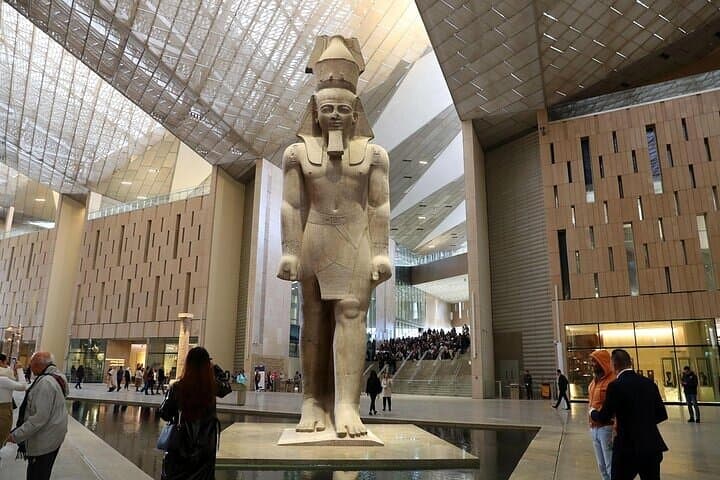
Geology here is blunt and practical: a limestone plateau hewn into blocks that have endured millennia of sun and sand. Culturally, the Giza complex and the Grand Egyptian Museum (GEM) form a single narrative—burial architecture, funerary ritual, and a state effort to reframe Egypt’s collections in a contemporary museum setting. Expect to see royal mummies, the Tutankhamen trove, and the impressive Grand Staircase Gallery alongside outdoor views that link museum galleries to the pyramids themselves.
Practically, the day mixes easy to moderate walking across uneven stone, short climbs on the plateau, and long indoor galleries. Timed early or late in the day reduces heat and crowds; camel or horse rides are available but optional. Entry fees to GEM and pyramid interior visits are often extra and require separate tickets. Bring water, sun protection, and comfortable shoes with grip—sand and stone demand attention.
This itinerary suits travelers who want archaeology paired with contextual interpretation and a manageable amount of exploration. The route is accessible to most fitness levels but does include steps, small climbs, and exposed sun. Guided interpretation makes the difference: the guide converts ruins and artifacts into a coherent story rather than a disconnected list of sights.
easy.
9–10 hours.
Suitable for most fitness levels; requires standing, short walks on uneven ground, and occasional climbs up steps.
Basic tour price often excludes museum and pyramid interior tickets; upgrades can add entry to GEM and the third pyramid—confirm when booking.
Yes, interior access to the third pyramid is typically optional and requires a separate ticket and sometimes limited availability.
Round-trip transfer from Cairo or Giza hotels is normally included using modern cars or vans per the tour listing.
The tour is marked wheelchair accessible for many areas, but plateau surfaces and pyramid interiors have uneven steps; check specifics with the operator.
The Giza pyramids date to the Fourth Dynasty (c. 2600–2500 BCE); the Grand Egyptian Museum assembles artifacts moved from older on-site displays to a centralized modern space to preserve and interpret pharaonic heritage.
GEM and Giza authorities now restrict direct contact with many artifacts and regulate visitor flow to reduce abrasion and humidity impact; follow paths, avoid touching carved surfaces, and use designated viewing areas.
Maha tours operates guided outdoor trips and adventures with an emphasis on safety, stewardship, and memorable experiences.


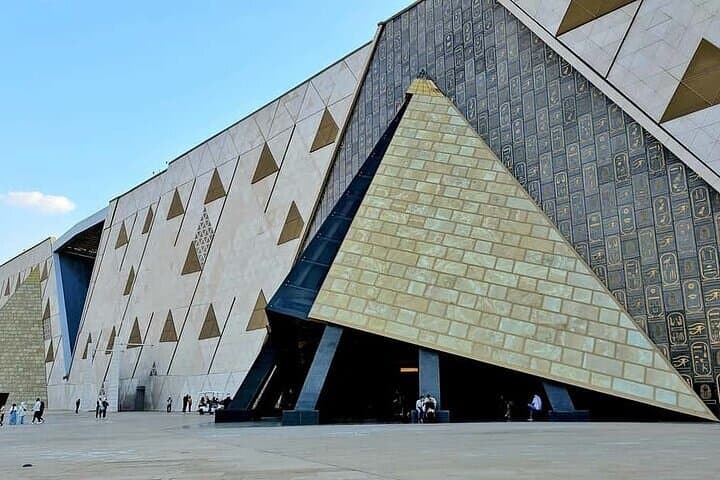
A wind from the western desert flattens the hot air against the stone as the plateau unfolds: three triangular kings stare skyward, the Sphinx parks its watchful gaze, and the new museum’s glass façade catches light like a cooled mirror. On this full-day private tour, a trained Egyptologist places you at the center of an ancient urban landscape—walking the same base that once hosted pharaohs’ processions and modern archaeologists’ excavations.
A wind from the western desert flattens the hot air against the stone as the plateau unfolds: three triangular kings stare skyward, the Sphinx parks its watchful gaze, and the new museum’s glass façade catches light like a cooled mirror. On this full-day private tour, a trained Egyptologist places you at the center of an ancient urban landscape—walking the same base that once hosted pharaohs’ processions and modern archaeologists’ excavations.
Geology here is blunt and practical: a limestone plateau hewn into blocks that have endured millennia of sun and sand. Culturally, the Giza complex and the Grand Egyptian Museum (GEM) form a single narrative—burial architecture, funerary ritual, and a state effort to reframe Egypt’s collections in a contemporary museum setting. Expect to see royal mummies, the Tutankhamen trove, and the impressive Grand Staircase Gallery alongside outdoor views that link museum galleries to the pyramids themselves.
Practically, the day mixes easy to moderate walking across uneven stone, short climbs on the plateau, and long indoor galleries. Timed early or late in the day reduces heat and crowds; camel or horse rides are available but optional. Entry fees to GEM and pyramid interior visits are often extra and require separate tickets. Bring water, sun protection, and comfortable shoes with grip—sand and stone demand attention.
This itinerary suits travelers who want archaeology paired with contextual interpretation and a manageable amount of exploration. The route is accessible to most fitness levels but does include steps, small climbs, and exposed sun. Guided interpretation makes the difference: the guide converts ruins and artifacts into a coherent story rather than a disconnected list of sights.