THE ADVENTURE COLLECTIVE® · Independent discovery and booking for outdoor travel

Explore the hidden rooms and public grandeur of Grand Central Terminal on a focused two-hour guided walk. See restored landmarks, secret wartime spaces, and the new Grand Central Madison while learning the architecture and preservation story behind one of New York’s most iconic stations.
Explore the hidden rooms and public grandeur of Grand Central Terminal on a focused two-hour guided walk. See restored landmarks, secret wartime spaces, and the new Grand Central Madison while learning the architecture and preservation story behind one of New York’s most iconic stations.
You step onto Track 27 and the station inhales the city — commuters stream like tide lines, and the vaulted ceiling watches over them with painted constellations. The tour moves from the marble halls into quieter corridors: a whispering alcove where voices bend, a once-top-secret engine room that kept trains running through World War II, and finally down into Grand Central Madison, the deep new station that threads rail under Manhattan.
Verified experiences and guided adventures in the surrounding area.
Operated by CityShuffles · New York, New York
You step onto Track 27 and the station inhales the city — commuters stream like tide lines, and the vaulted ceiling watches over them with painted constellations. The tour moves from the marble halls into quieter corridors: a whispering alcove where voices bend, a once-top-secret engine room that kept trains running through World War II, and finally down into Grand Central Madison, the deep new station that threads rail under Manhattan.
Opened in 1913 as a Beaux-Arts landmark for the Vanderbilt railroad empire, Grand Central grew around the bedrock of Manhattan schist that allowed the city’s towers to rise. The terminal’s celestial ceiling, scarred by soot and later restored, carries the fingerprints of 20th-century New York: corporate ambition, wartime secrecy, and civic fights — notably the preservation campaign championed by Jacqueline Kennedy Onassis that saved the building from demolition.
Architectural styles collide here: classical ornament, Art Deco touches in the nearby buildings, and contemporary interventions like One Vanderbilt and the East Side Access portals. Local culture shows up in the rush-hour cadence, food vendors in the dining concourse, and the Campbell Apartment bar, a private-room relic turned public drinkery.
Practical guidance: the tour lasts roughly two hours and begins at Track 27; wear comfortable shoes and expect standing and walking on hard surfaces. Security is routine — bring photo ID if requested. Peak times (weekday mornings and early evenings) are busiest; early afternoons offer clearer views for photography. The tour is wheelchair accessible but check accessibility options when booking. Hydrate, leave bulky bags at your hotel if possible, and listen closely — the terminal keeps stories in its corners.
easy.
2 hours.
Suitable for most fitness levels; participants should be able to stand and walk on hard surfaces for up to two hours.
The tour price covers the guided experience only; Grand Central’s public areas have no entry fee but individual sections like private rooms are accessed as part of the guided itinerary.
Yes — most areas on the standard route are wheelchair accessible; notify the operator at booking of any special requirements.
The meeting point is Track 27 inside Grand Central Terminal; arrive 10–15 minutes early to navigate crowds and security checks.
Photography for personal use is allowed in public areas; commercial photography may require prior permission from the terminal authority.
Grand Central opened in 1913 as a Beaux‑Arts railroad terminal funded by the Vanderbilts; a 20th-century preservation fight led by Jacqueline Kennedy Onassis helped secure its landmark status and restoration.
Preservation and careful restoration have been central to the terminal’s management; high foot traffic requires visitor discipline—avoid littering and don’t feed birds to reduce wildlife conflicts.
CityShuffles operates guided outdoor trips and adventures with an emphasis on safety, stewardship, and memorable experiences.
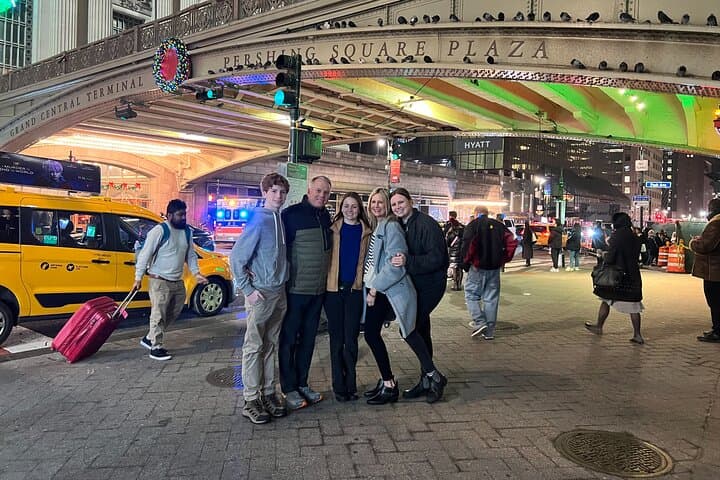
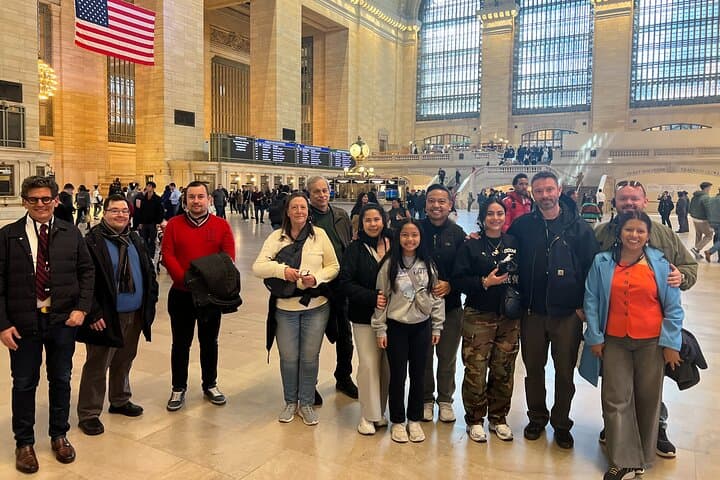
You step onto Track 27 and the station inhales the city — commuters stream like tide lines, and the vaulted ceiling watches over them with painted constellations. The tour moves from the marble halls into quieter corridors: a whispering alcove where voices bend, a once-top-secret engine room that kept trains running through World War II, and finally down into Grand Central Madison, the deep new station that threads rail under Manhattan.
You step onto Track 27 and the station inhales the city — commuters stream like tide lines, and the vaulted ceiling watches over them with painted constellations. The tour moves from the marble halls into quieter corridors: a whispering alcove where voices bend, a once-top-secret engine room that kept trains running through World War II, and finally down into Grand Central Madison, the deep new station that threads rail under Manhattan.
Opened in 1913 as a Beaux-Arts landmark for the Vanderbilt railroad empire, Grand Central grew around the bedrock of Manhattan schist that allowed the city’s towers to rise. The terminal’s celestial ceiling, scarred by soot and later restored, carries the fingerprints of 20th-century New York: corporate ambition, wartime secrecy, and civic fights — notably the preservation campaign championed by Jacqueline Kennedy Onassis that saved the building from demolition.
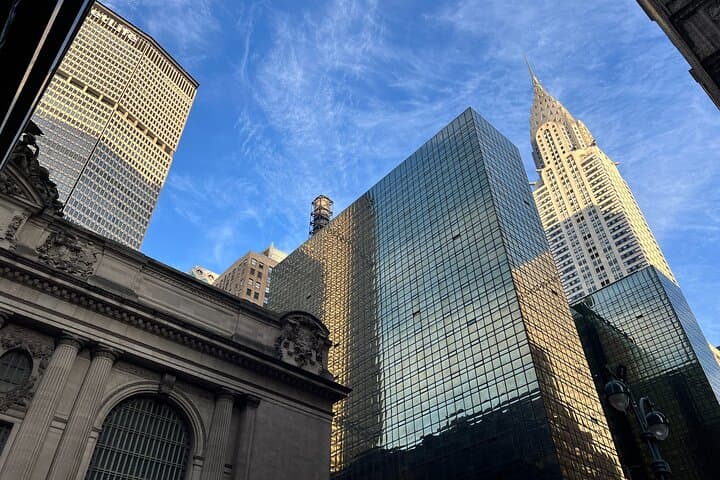
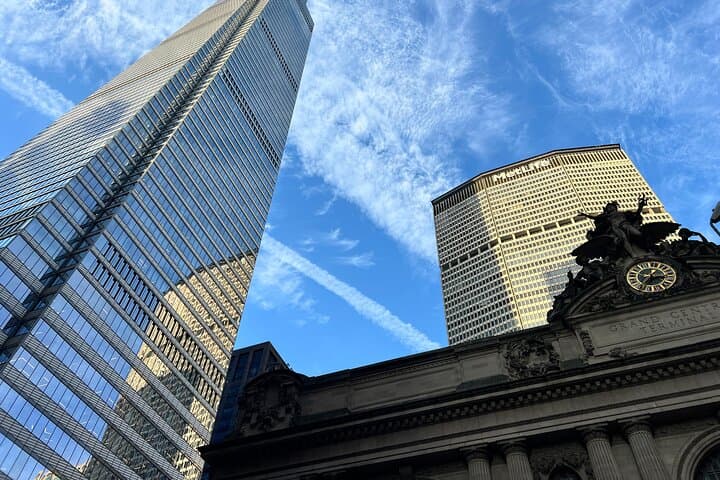
Architectural styles collide here: classical ornament, Art Deco touches in the nearby buildings, and contemporary interventions like One Vanderbilt and the East Side Access portals. Local culture shows up in the rush-hour cadence, food vendors in the dining concourse, and the Campbell Apartment bar, a private-room relic turned public drinkery.
Practical guidance: the tour lasts roughly two hours and begins at Track 27; wear comfortable shoes and expect standing and walking on hard surfaces. Security is routine — bring photo ID if requested. Peak times (weekday mornings and early evenings) are busiest; early afternoons offer clearer views for photography. The tour is wheelchair accessible but check accessibility options when booking. Hydrate, leave bulky bags at your hotel if possible, and listen closely — the terminal keeps stories in its corners.