THE ADVENTURE COLLECTIVE® · Independent discovery and booking for outdoor travel

Skip the line at Grand Canyon West and choose a ticket that fits your visit: basic rim access, Skywalk, lunch, or the full package. This short guide explains what to expect at Eagle Point and Guano Point, plus practical tips to make the most of your day.
Skip the line at Grand Canyon West and choose a ticket that fits your visit: basic rim access, Skywalk, lunch, or the full package. This short guide explains what to expect at Eagle Point and Guano Point, plus practical tips to make the most of your day.
You step out onto a high desert plateau and the canyon answers with scale — a raw incision of red and ochre cliffs that drop away like pages torn from the earth.
Verified experiences and guided adventures in the surrounding area.
Operated by SV Tour · Peach Springs, Arizona
You step out onto a high desert plateau and the canyon answers with scale — a raw incision of red and ochre cliffs that drop away like pages torn from the earth.
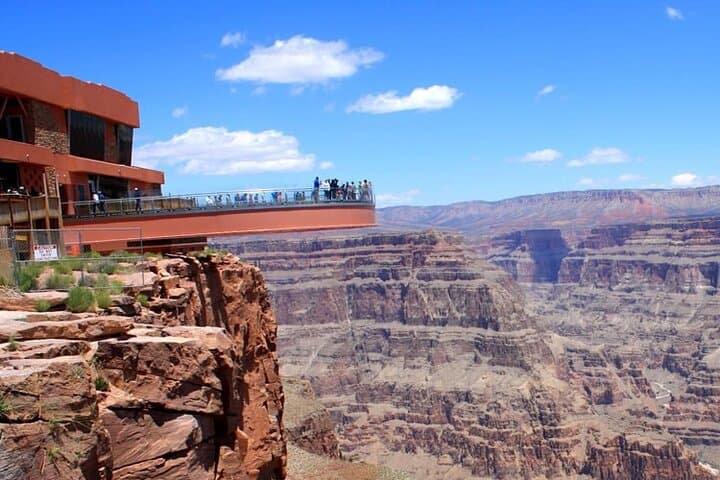
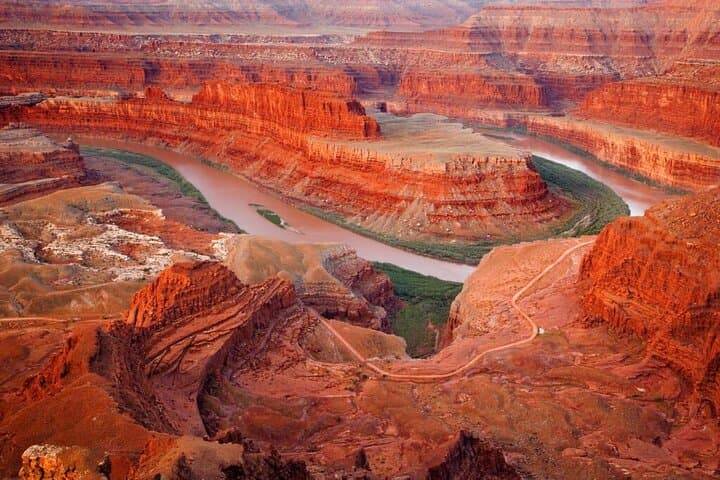
Grand Canyon West sits on the Hualapai Reservation and offers immediate, dramatic rim access: Eagle Point’s Skywalk juts over the abyss, Guano Point gives panoramic angles, and native village exhibits show traditional life. Geologically, the West Rim exposes the same layered rocks that reveal nearly two billion years of uplift and river work; the Colorado River, far below, still pushes on, carving and carrying sediment toward the Gulf of California.
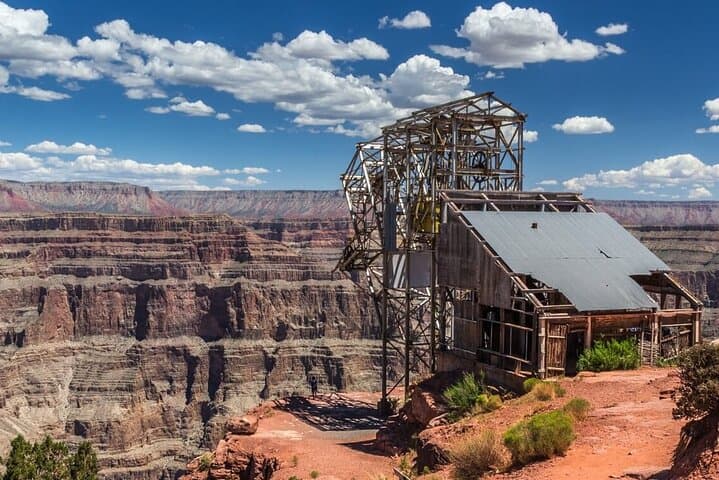
Culturally this is Hualapai land; the tribe manages visitor facilities, interprets local history, and operates markets that showcase handmade beadwork, weavings, and stories of the canyon’s role in tribal life. The remnant tram at Guano Point hints at mid-century attempts to extract resources from the canyon’s remote reaches.
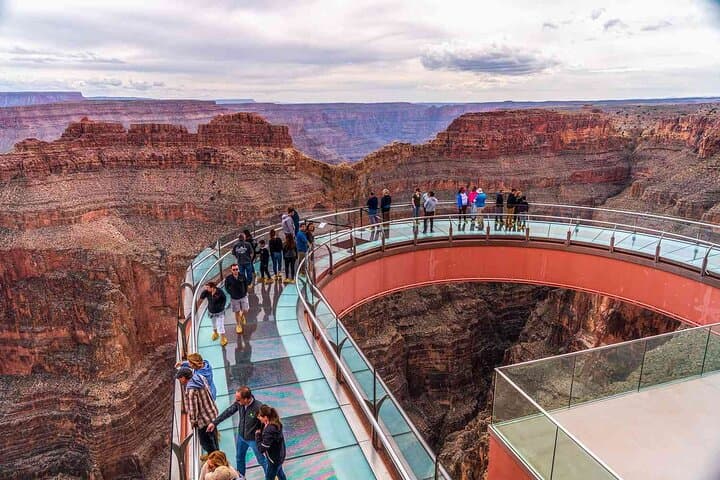
Practical guidance: arrive early to beat heat and crowds — operating hours vary by season — and expect basic services at Eagle Point and Guano Point: cafes, restrooms, and shaded seating. The Skywalk requires a separate ticket option and enforces rules for safety and photography; the structure is built as a cantilevered glass bridge with strict weight and behavior policies. Walks around viewpoints are short but often exposed; sun and wind are active elements here. Hydrate frequently, wear sturdy shoes for uneven sandstone ledges, and respect posted barriers and tribal regulations. Whether you linger for sunset at Guano Point or step onto the Skywalk for a transparent floor view, the visit is a compact, intense encounter with one of the planet’s largest outdoor classrooms.
easy.
1–12 hours.
Light walking on paved and unpaved viewpoints; suitable for most fitness levels but requires mobility to navigate short uneven sections.
No — the Skywalk requires the Ticket+Skywalk option; book that specific add-on to access the glass cantilever.
All sales are final per vendor policy; there is no refund for cancellations although weather-related closures may apply.
Yes — there is on-site parking; follow posted directions for visitor parking and shuttle/bus pickup if provided.
Many public areas are accessible and infants may use strollers, but some viewpoints and trails have uneven surfaces — check specific site maps or ask staff on arrival.
Grand Canyon West lies on Hualapai land; Guano Point preserves remains of a 1950s guano-mining tramway and the area reflects both indigenous stewardship and 20th-century resource attempts.
The Hualapai Tribe manages visitor impact through fees and controlled access; stay on designated paths, avoid littering, and support tribal vendors to help sustain local conservation and cultural programs.
SV Tour operates guided outdoor trips and adventures with an emphasis on safety, stewardship, and memorable experiences.
You step out onto a high desert plateau and the canyon answers with scale — a raw incision of red and ochre cliffs that drop away like pages torn from the earth.
You step out onto a high desert plateau and the canyon answers with scale — a raw incision of red and ochre cliffs that drop away like pages torn from the earth.
Grand Canyon West sits on the Hualapai Reservation and offers immediate, dramatic rim access: Eagle Point’s Skywalk juts over the abyss, Guano Point gives panoramic angles, and native village exhibits show traditional life. Geologically, the West Rim exposes the same layered rocks that reveal nearly two billion years of uplift and river work; the Colorado River, far below, still pushes on, carving and carrying sediment toward the Gulf of California.
Culturally this is Hualapai land; the tribe manages visitor facilities, interprets local history, and operates markets that showcase handmade beadwork, weavings, and stories of the canyon’s role in tribal life. The remnant tram at Guano Point hints at mid-century attempts to extract resources from the canyon’s remote reaches.
Practical guidance: arrive early to beat heat and crowds — operating hours vary by season — and expect basic services at Eagle Point and Guano Point: cafes, restrooms, and shaded seating. The Skywalk requires a separate ticket option and enforces rules for safety and photography; the structure is built as a cantilevered glass bridge with strict weight and behavior policies. Walks around viewpoints are short but often exposed; sun and wind are active elements here. Hydrate frequently, wear sturdy shoes for uneven sandstone ledges, and respect posted barriers and tribal regulations. Whether you linger for sunset at Guano Point or step onto the Skywalk for a transparent floor view, the visit is a compact, intense encounter with one of the planet’s largest outdoor classrooms.