THE ADVENTURE COLLECTIVE® · Independent discovery and booking for outdoor travel

A brisk 25‑minute helicopter tour from Grand Canyon Western Ranch takes you 1,500 feet below the rim and over 15 miles of canyon and desert. Expect panoramic windows, pilot narration, and dramatic aerial views of Joshua tree forests, Quartermaster Canyon, and the Colorado River.
A brisk 25‑minute helicopter tour from Grand Canyon Western Ranch takes you 1,500 feet below the rim and over 15 miles of canyon and desert. Expect panoramic windows, pilot narration, and dramatic aerial views of Joshua tree forests, Quartermaster Canyon, and the Colorado River.
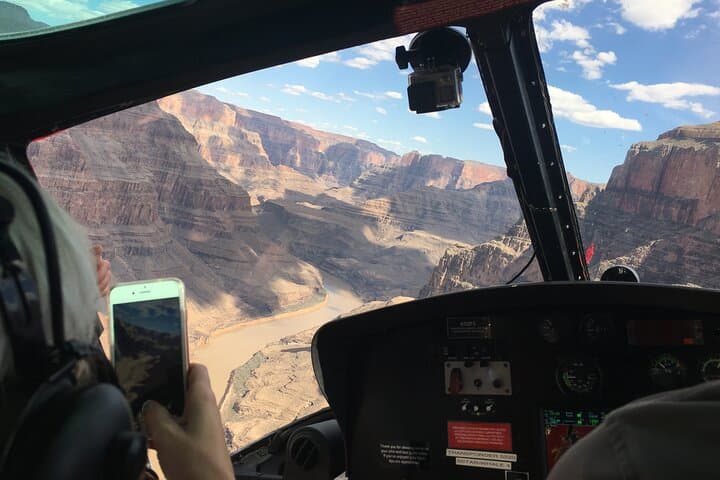
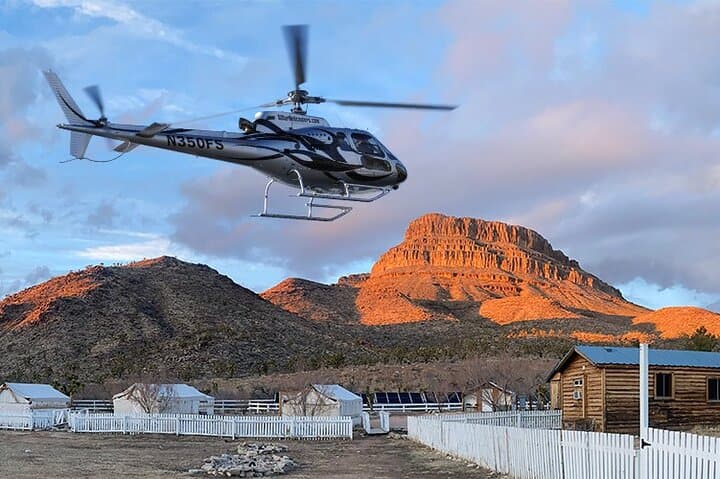
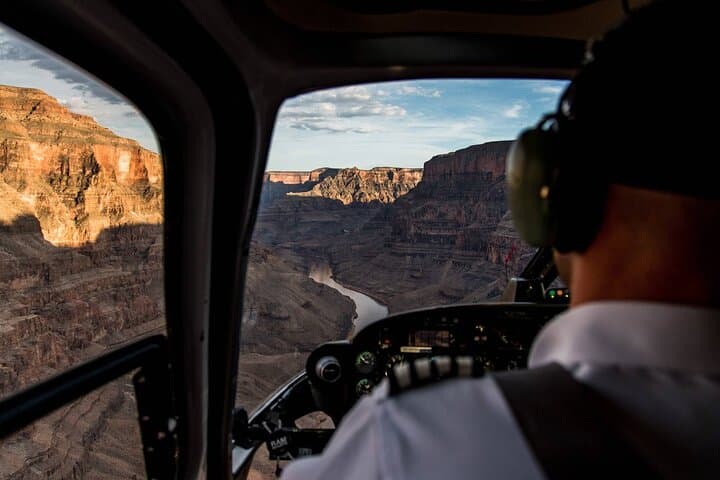
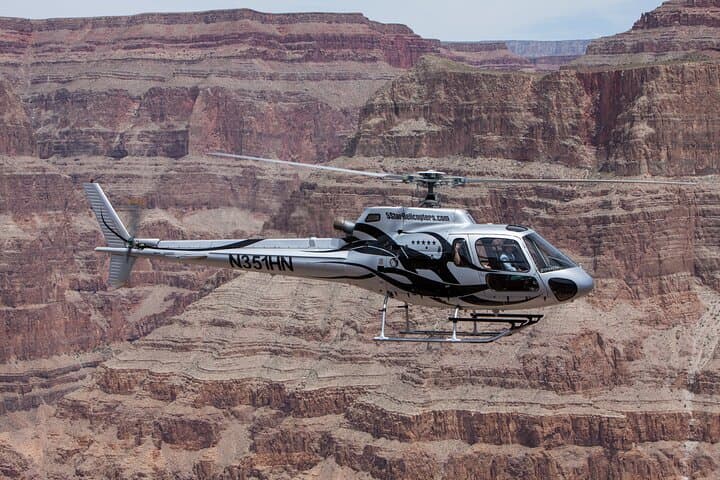
You lift off from the dusty airstrip at Grand Canyon Western Ranch and the Mojave unfurls beneath the rotor wash — a hard, sun-bright sea of creosote and ancient Joshua trees that seem to brace themselves as the helicopter slips over them. The pilot banks and the canyon opens: sheer, layered walls drop away, colors stacked like chapters of Earth’s history, and the Colorado River threads the bottom like a ribbon daring you to follow.
Verified experiences and guided adventures in the surrounding area.
Operated by 5 Star Grand Canyon Helicopter Tours · Meadview, Arizona
You lift off from the dusty airstrip at Grand Canyon Western Ranch and the Mojave unfurls beneath the rotor wash — a hard, sun-bright sea of creosote and ancient Joshua trees that seem to brace themselves as the helicopter slips over them. The pilot banks and the canyon opens: sheer, layered walls drop away, colors stacked like chapters of Earth’s history, and the Colorado River threads the bottom like a ribbon daring you to follow.
This short but intense flight traces 15 miles of canyon, moving from high rim views to a 1,500-foot descent into Quartermaster Canyon. Geologically, you’re watching nearly two billion years of rock record compressed into bands of red sandstone, shale and limestone. Culturally, the land is part of the Hualapai ancestral territory; the ranch and tour operations sit where Old West ranching meets modern tourism.
Expect forward-facing seats, panoramic windows, and pilot narration that points out Spirit Mountain, the Grand Wash Cliffs and the aged Joshua tree groves. The tour emphasizes quick, photo-friendly passes rather than long stops — the main attraction is perspective: scale, strata and the river’s course.
Practical guidance: arrive 30 minutes early for check-in, bring a government ID, and plan for wind and sun exposure. Wear sturdy shoes for the ranch surface, secure loose items in a small bag, and consider motion-sickness remedies if you’re sensitive to aerial movement. Photography is excellent from right-side and forward seats; keep cameras tethered. If you want a private flight, reserve all six seats — shared flights can be intimate but are fixed-capacity. In short: it’s a compact, high-adrenaline way to see parts of the canyon that ground routes can’t reach, with clear logistics and big visual payoff.
easy.
60 minutes (total experience, including check-in).
No special fitness required; mostly seated but requires the ability to board a small helicopter
The advertised flight time is 25 minutes; allow about 60 minutes total including check-in and safety briefing.
Yes — a government-issued photo ID matching the name on the booking is required to board.
This helicopter tour is not wheelchair accessible due to aircraft size and boarding requirements.
Passengers weighing between 250 lbs and 375 lbs may be required to purchase an additional seat; the operator enforces a 375 lb maximum per passenger for safety.
The area sits on lands historically used by the Hualapai people; the Western Ranch and nearby viewpoints link ranching history with modern tourism at the canyon rim.
Flights must follow FAA and park-adjacent guidelines; operators pay landing/facility fees that support local management, and visitors are asked to minimize noise and avoid disturbing wildlife.
5 Star Grand Canyon Helicopter Tours operates guided outdoor trips and adventures with an emphasis on safety, stewardship, and memorable experiences.
You lift off from the dusty airstrip at Grand Canyon Western Ranch and the Mojave unfurls beneath the rotor wash — a hard, sun-bright sea of creosote and ancient Joshua trees that seem to brace themselves as the helicopter slips over them. The pilot banks and the canyon opens: sheer, layered walls drop away, colors stacked like chapters of Earth’s history, and the Colorado River threads the bottom like a ribbon daring you to follow.
You lift off from the dusty airstrip at Grand Canyon Western Ranch and the Mojave unfurls beneath the rotor wash — a hard, sun-bright sea of creosote and ancient Joshua trees that seem to brace themselves as the helicopter slips over them. The pilot banks and the canyon opens: sheer, layered walls drop away, colors stacked like chapters of Earth’s history, and the Colorado River threads the bottom like a ribbon daring you to follow.
This short but intense flight traces 15 miles of canyon, moving from high rim views to a 1,500-foot descent into Quartermaster Canyon. Geologically, you’re watching nearly two billion years of rock record compressed into bands of red sandstone, shale and limestone. Culturally, the land is part of the Hualapai ancestral territory; the ranch and tour operations sit where Old West ranching meets modern tourism.
Expect forward-facing seats, panoramic windows, and pilot narration that points out Spirit Mountain, the Grand Wash Cliffs and the aged Joshua tree groves. The tour emphasizes quick, photo-friendly passes rather than long stops — the main attraction is perspective: scale, strata and the river’s course.
Practical guidance: arrive 30 minutes early for check-in, bring a government ID, and plan for wind and sun exposure. Wear sturdy shoes for the ranch surface, secure loose items in a small bag, and consider motion-sickness remedies if you’re sensitive to aerial movement. Photography is excellent from right-side and forward seats; keep cameras tethered. If you want a private flight, reserve all six seats — shared flights can be intimate but are fixed-capacity. In short: it’s a compact, high-adrenaline way to see parts of the canyon that ground routes can’t reach, with clear logistics and big visual payoff.