THE ADVENTURE COLLECTIVE® · Independent discovery and booking for outdoor travel

A full-day VIP small-group tour from Las Vegas that pairs modern art and engineering with one of the world’s great canyons. Expect stops at the Las Vegas sign, Seven Magic Mountains, Hoover Dam, and three hours to explore Grand Canyon West with lunch at Eagle Point.
A full-day VIP small-group tour from Las Vegas that pairs modern art and engineering with one of the world’s great canyons. Expect stops at the Las Vegas sign, Seven Magic Mountains, Hoover Dam, and three hours to explore Grand Canyon West with lunch at Eagle Point.
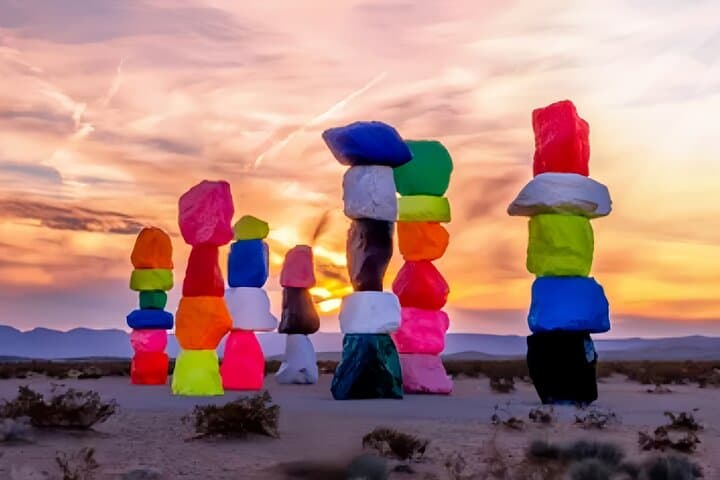
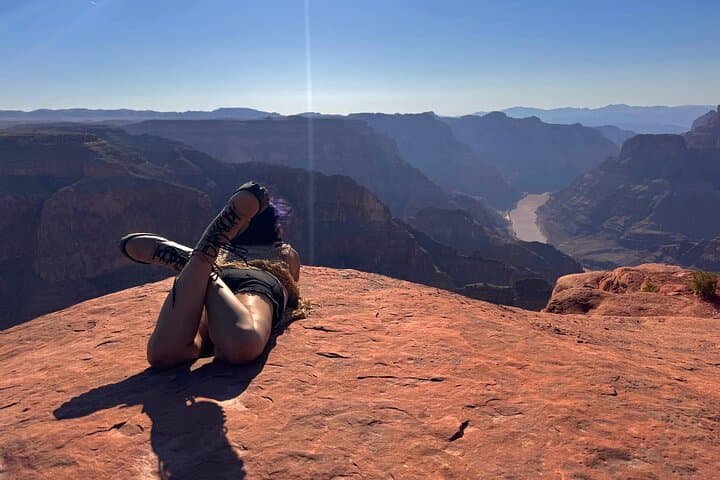
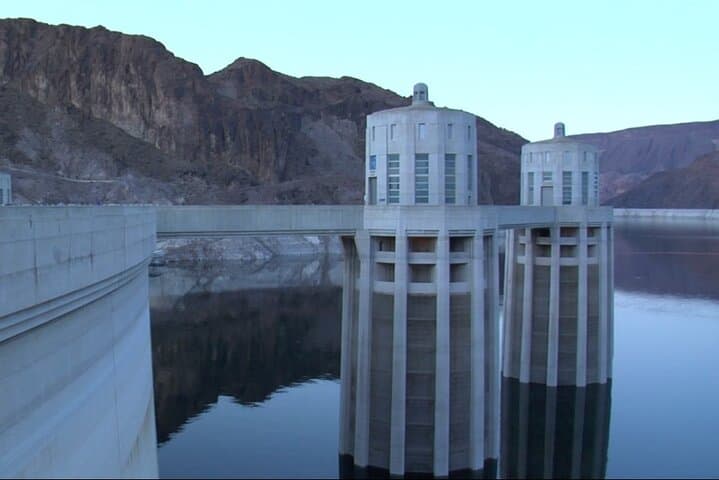
You step off a comfortable van into a desert light that cuts the canyon rim like a blade; the air smells of sun-warmed rock and distant river. The day unfolds as a series of dramatic edges — the neon stacks of Seven Magic Mountains rising out of Mojave scrub, the concrete curve of Hoover Dam holding back the Colorado, then the wide-open chasm of Grand Canyon West on Hualapai land.
Verified experiences and guided adventures in the surrounding area.
Operated by Beyond Vegas Adventures · Grand Canyon West (Hualapai Reservation), Arizona
You step off a comfortable van into a desert light that cuts the canyon rim like a blade; the air smells of sun-warmed rock and distant river. The day unfolds as a series of dramatic edges — the neon stacks of Seven Magic Mountains rising out of Mojave scrub, the concrete curve of Hoover Dam holding back the Colorado, then the wide-open chasm of Grand Canyon West on Hualapai land.
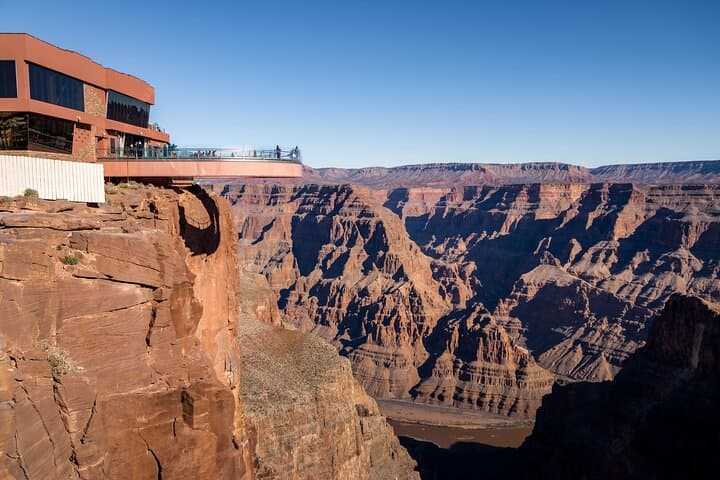
Geology here is immediate: layered Paleozoic and Mesozoic rock peeled back by the Colorado River over millions of years, exposed in benches and sheer walls at Eagle Point and Guano Point. The Hualapai Tribe manages access to Grand Canyon West; their Skywalk is a modern, vertigo-inducing way to appreciate 4,000-foot drops. Hoover Dam, a 1930s engineering landmark, rerouted water and power across the Southwest and reshaped settlement and agriculture below.
Culture and modern art punctuate the route — Ugo Rondinone’s Seven Magic Mountains reintroduces color to open desert, while the Joshua trees you pass on the return leg represent a fragile Mojave ecology. Nevada bighorn sheep sightings are possible in riparian pockets and cliff ledges.
Practical guidance: this is a full 10-hour day, so start hydrated, wear sun-protective layers and sturdy shoes for uneven viewpoints at Guano Point. The tour provides bottled water and lunch at Eagle Point; the Skywalk is optional and may require separate tickets. Bring a camera with extra batteries, sunglasses, and a wind layer for canyon rims. Timing matters — morning and late-afternoon light are best for photos and cooler temperatures. Respect tribal signage, stay on marked viewing areas, and keep wildlife at a distance to preserve both the animals and your experience.
easy.
10 hours.
Suitable for most fitness levels; expect short walks and standing at viewpoints
The tour is approximately 10 hours and includes round-trip transport from Las Vegas, bottled water, lunch at Eagle Point, and stops at the Las Vegas sign, Seven Magic Mountains, Hoover Dam, Joshua Tree forest, and Grand Canyon West.
Skywalk access is optional and may require an additional fee — check with the operator when booking to add it to your itinerary.
Sightings of Nevada bighorn sheep and other desert wildlife are possible but not guaranteed; stops include known viewing areas where animals are frequently seen.
The tour is designed for a wide range of fitness levels with short walks at viewpoints; contact the operator ahead of time to discuss specific mobility needs and pickup arrangements.
Grand Canyon West sits on Hualapai tribal lands; the area combines ancestral cultural sites with modern tourism infrastructure such as the Skywalk, while Hoover Dam represents 1930s federal engineering that reshaped the Colorado River basin.
Stay on marked paths and pack out all trash; the Mojave Desert and Hualapai lands face challenges from visitor impact and water stress, so minimize disturbance and follow tribal regulations.
Beyond Vegas Adventures operates guided outdoor trips and adventures with an emphasis on safety, stewardship, and memorable experiences.
You step off a comfortable van into a desert light that cuts the canyon rim like a blade; the air smells of sun-warmed rock and distant river. The day unfolds as a series of dramatic edges — the neon stacks of Seven Magic Mountains rising out of Mojave scrub, the concrete curve of Hoover Dam holding back the Colorado, then the wide-open chasm of Grand Canyon West on Hualapai land.
You step off a comfortable van into a desert light that cuts the canyon rim like a blade; the air smells of sun-warmed rock and distant river. The day unfolds as a series of dramatic edges — the neon stacks of Seven Magic Mountains rising out of Mojave scrub, the concrete curve of Hoover Dam holding back the Colorado, then the wide-open chasm of Grand Canyon West on Hualapai land.
Geology here is immediate: layered Paleozoic and Mesozoic rock peeled back by the Colorado River over millions of years, exposed in benches and sheer walls at Eagle Point and Guano Point. The Hualapai Tribe manages access to Grand Canyon West; their Skywalk is a modern, vertigo-inducing way to appreciate 4,000-foot drops. Hoover Dam, a 1930s engineering landmark, rerouted water and power across the Southwest and reshaped settlement and agriculture below.
Culture and modern art punctuate the route — Ugo Rondinone’s Seven Magic Mountains reintroduces color to open desert, while the Joshua trees you pass on the return leg represent a fragile Mojave ecology. Nevada bighorn sheep sightings are possible in riparian pockets and cliff ledges.
Practical guidance: this is a full 10-hour day, so start hydrated, wear sun-protective layers and sturdy shoes for uneven viewpoints at Guano Point. The tour provides bottled water and lunch at Eagle Point; the Skywalk is optional and may require separate tickets. Bring a camera with extra batteries, sunglasses, and a wind layer for canyon rims. Timing matters — morning and late-afternoon light are best for photos and cooler temperatures. Respect tribal signage, stay on marked viewing areas, and keep wildlife at a distance to preserve both the animals and your experience.