THE ADVENTURE COLLECTIVE® · Independent discovery and booking for outdoor travel

Leave Las Vegas at first light for a single-day sweep across the Mojave: Hoover Dam’s engineering, a Joshua tree forest, and Grand Canyon West’s rim viewpoints. Perfect for travelers who want maximum landscape in a structured, small-group format.
Leave Las Vegas at first light for a single-day sweep across the Mojave: Hoover Dam’s engineering, a Joshua tree forest, and Grand Canyon West’s rim viewpoints. Perfect for travelers who want maximum landscape in a structured, small-group format.
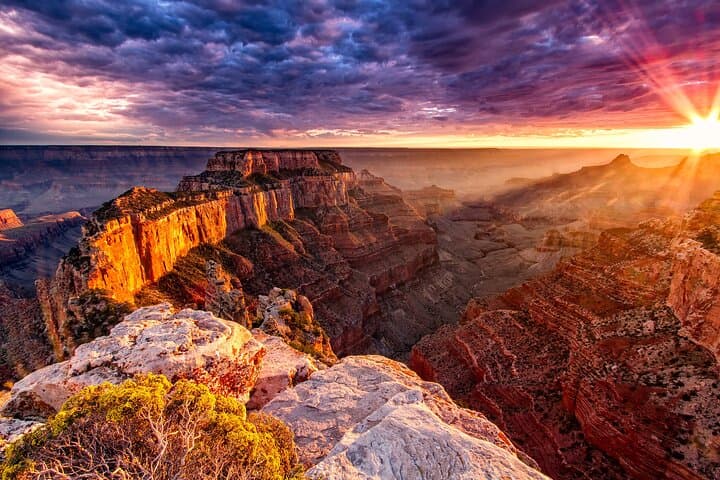
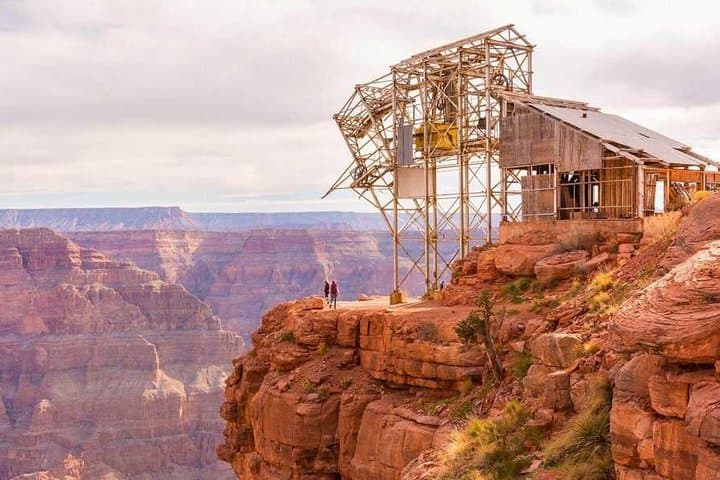
The van eases out of Las Vegas before dawn, headlights cutting across the desert as the city’s glow yields to wide, open sky. By mid-morning you’re standing on the concrete rim of Hoover Dam, wind tugging at your jacket and Lake Mead stretching like a glass plain below. The route pushes through a stand of Joshua trees — their sculptural limbs pointing like weathered hands — before dropping at Grand Canyon West, where Eagle Point and Guano Point frame the canyon in raw, vertical geology.
Verified experiences and guided adventures in the surrounding area.
Operated by MARVIT TOURS LLC · Grand Canyon West, Arizona
The van eases out of Las Vegas before dawn, headlights cutting across the desert as the city’s glow yields to wide, open sky. By mid-morning you’re standing on the concrete rim of Hoover Dam, wind tugging at your jacket and Lake Mead stretching like a glass plain below. The route pushes through a stand of Joshua trees — their sculptural limbs pointing like weathered hands — before dropping at Grand Canyon West, where Eagle Point and Guano Point frame the canyon in raw, vertical geology.
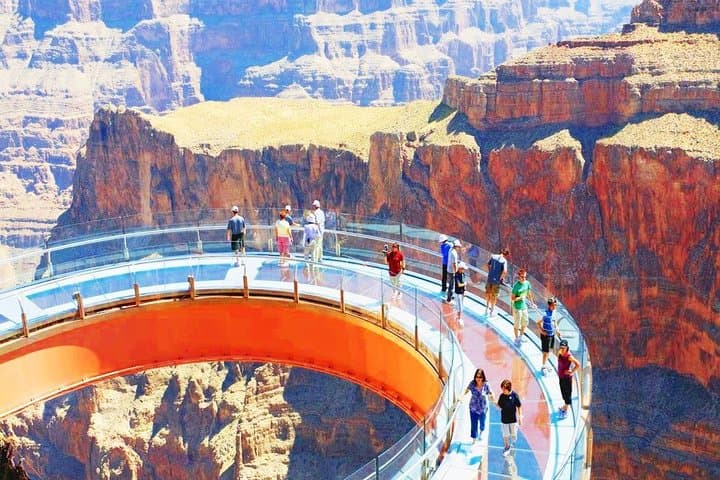
This trip threads modern engineering and deep-time geology: Hoover Dam’s 1930s concrete arc harnesses the Colorado River, while the Grand Canyon exposes layered rock laid down over hundreds of millions of years. Grand Canyon West sits on Hualapai tribal land; the Hualapai offer guided interpretation and manage visitor amenities, including the optional Skywalk — a glass bridge cantilevered roughly 4,000 feet above the river.
Expect paved overlooks, short dirt paths, and uneven rock underfoot at viewpoints. The tour typically runs 7–8 hours with roughly 2–3 hours on the West Rim for photos and light exploration. Bring sun protection, layered clothes for desert-to-rim temperature swings, and comfortable walking shoes. Bottled water and admission fees are usually included, but Skywalk access is extra and time-limited.
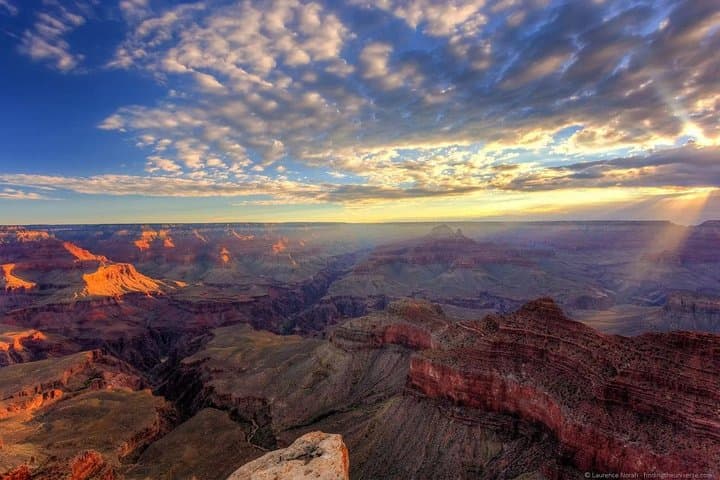
Practical pacing matters: arrive refreshed, keep essentials in a daypack, and plan your camera shots for morning or late afternoon light when shadows carve the canyon walls. This is an accessible, compact way to taste three iconic Southwest landscapes in a single day.
easy.
7–8 hours.
Suitable for travelers with basic mobility who can stand and walk short distances; minimal hiking required.
No — the Skywalk is optional and requires an additional fee paid on-site or through the operator; access is time-limited and may require waiting in line.
Pick-up is offered from many Las Vegas Strip and downtown hotels; the tour starts around 7:00 AM and pickups often begin up to one hour earlier — confirm your exact time when notified 24 hours beforehand.
Most main viewpoints at Grand Canyon West and Hoover Dam have paved access, but terrain can be uneven; the itinerary notes stroller access and limited accessibility, so contact the operator with specific needs before booking.
You can bring snacks and a packed lunch; there are also food vendors and small eateries at Grand Canyon West where you can purchase meals during the allotted visit time.
Grand Canyon West is on Hualapai tribal land; Hoover Dam — completed in the 1930s — reshaped water and power management across the Southwest.
The region’s fragile desert and rim environments benefit from staying on paths, packing out waste and respecting tribal regulations at Grand Canyon West.
MARVIT TOURS LLC operates guided outdoor trips and adventures with an emphasis on safety, stewardship, and memorable experiences.
The van eases out of Las Vegas before dawn, headlights cutting across the desert as the city’s glow yields to wide, open sky. By mid-morning you’re standing on the concrete rim of Hoover Dam, wind tugging at your jacket and Lake Mead stretching like a glass plain below. The route pushes through a stand of Joshua trees — their sculptural limbs pointing like weathered hands — before dropping at Grand Canyon West, where Eagle Point and Guano Point frame the canyon in raw, vertical geology.
The van eases out of Las Vegas before dawn, headlights cutting across the desert as the city’s glow yields to wide, open sky. By mid-morning you’re standing on the concrete rim of Hoover Dam, wind tugging at your jacket and Lake Mead stretching like a glass plain below. The route pushes through a stand of Joshua trees — their sculptural limbs pointing like weathered hands — before dropping at Grand Canyon West, where Eagle Point and Guano Point frame the canyon in raw, vertical geology.
This trip threads modern engineering and deep-time geology: Hoover Dam’s 1930s concrete arc harnesses the Colorado River, while the Grand Canyon exposes layered rock laid down over hundreds of millions of years. Grand Canyon West sits on Hualapai tribal land; the Hualapai offer guided interpretation and manage visitor amenities, including the optional Skywalk — a glass bridge cantilevered roughly 4,000 feet above the river.
Expect paved overlooks, short dirt paths, and uneven rock underfoot at viewpoints. The tour typically runs 7–8 hours with roughly 2–3 hours on the West Rim for photos and light exploration. Bring sun protection, layered clothes for desert-to-rim temperature swings, and comfortable walking shoes. Bottled water and admission fees are usually included, but Skywalk access is extra and time-limited.
Practical pacing matters: arrive refreshed, keep essentials in a daypack, and plan your camera shots for morning or late afternoon light when shadows carve the canyon walls. This is an accessible, compact way to taste three iconic Southwest landscapes in a single day.