THE ADVENTURE COLLECTIVE® · Independent discovery and booking for outdoor travel

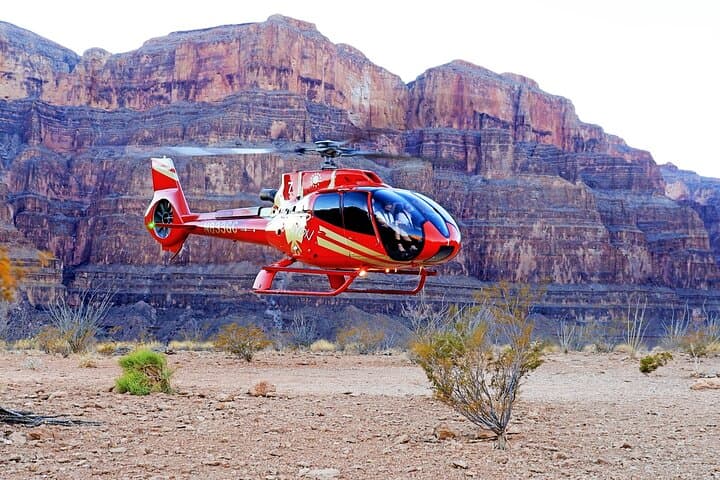
Fly from Las Vegas to Grand Canyon West for aerial views of Hoover Dam and Lake Mead, a shuttle to Guano Point and Eagle Point, and the option to add a helicopter and river boat ride. Expect a daylong outing with strict weight and check‑in policies.
Fly from Las Vegas to Grand Canyon West for aerial views of Hoover Dam and Lake Mead, a shuttle to Guano Point and Eagle Point, and the option to add a helicopter and river boat ride. Expect a daylong outing with strict weight and check‑in policies.
A strip of runway in the desert shrinks beneath you as the fixed‑wing climbs out of Boulder City, the Mojave unspooling in copper and sage. From the airplane window the Hoover Dam becomes a pinprick and Lake Mead a silver bruise; moments later the West Rim unfolds — serrated, raw, and improbably close. Arriving at Grand Canyon West, shuttle buses thread between viewpoints and the canyon’s walls seem to lean in, daring you to look deeper.
Verified experiences and guided adventures in the surrounding area.
Operated by Grand Canyon Airlines · Grand Canyon West, Arizona
A strip of runway in the desert shrinks beneath you as the fixed‑wing climbs out of Boulder City, the Mojave unspooling in copper and sage. From the airplane window the Hoover Dam becomes a pinprick and Lake Mead a silver bruise; moments later the West Rim unfolds — serrated, raw, and improbably close. Arriving at Grand Canyon West, shuttle buses thread between viewpoints and the canyon’s walls seem to lean in, daring you to look deeper.
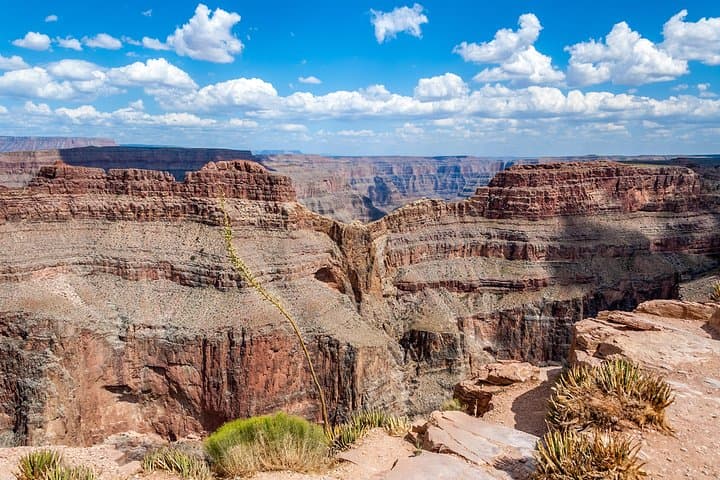
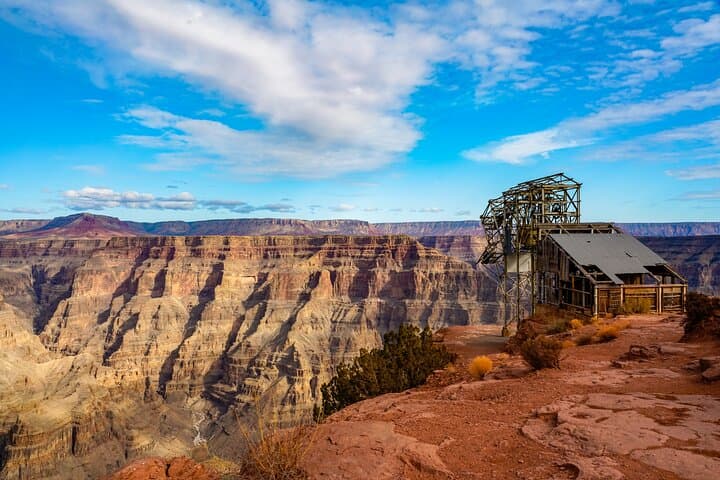
This sector of the Grand Canyon sits on Hualapai land and differs geologically from the national park’s South Rim: the West Rim emphasizes steep, volcanic and sedimentary cliffs cut by the Colorado River into dramatic vantage points like Guano Point and Eagle Point. The Skywalk — a glass U that projects over the abyss — opened as a visitor draw and offers a vertiginous but regulated perspective. Nearby, a reconstructed traditional village provides cultural context about Hualapai history and contemporary stewardship.
Practically, plan for a full day: flights to and from Boulder City add an aerial chapter to what is otherwise a land‑based sightseeing itinerary. Weather controls flight schedules; weight limits and early check‑in are operational realities. Wear sturdy closed‑toe shoes for rim trails, bring sun protection and layered clothing for temperature swings between terminal, tarmac, and canyon rim. If you add the helicopter/boat option, expect extra time on the ground and deeper immersion into the river corridor. Respect tribal lands, follow posted routes, and keep water close — the canyon rewards attention and preparation.
easy.
7–8 hours.
Minimal fitness required for walking short paved and unpaved viewpoints; must be able to board aircraft and buses comfortably.
Skywalk is typically an add‑on; book with your tour to guarantee entry during scheduled West Rim time slots.
The standard airplane tour includes fixed‑wing flights and West Rim access; helicopter/boat to the canyon floor are optional paid upgrades.
Expect 7–8 hours door‑to‑door from Las Vegas including transfers, check‑in, roundtrip flights, and time at the West Rim.
Infants under two must sit on laps with proof of age; passengers over weight limits must notify at booking and may need to purchase an extra seat on the day.
Grand Canyon West lies on Hualapai tribal land; the Hualapai developed the West Rim attractions in the early 2000s to create tourism revenue and cultural exhibits.
Visitors are asked to stay on designated trails and avoid disturbing archaeological and cultural sites; supporting tribal enterprises helps local stewardship efforts.
Grand Canyon Airlines operates guided outdoor trips and adventures with an emphasis on safety, stewardship, and memorable experiences.
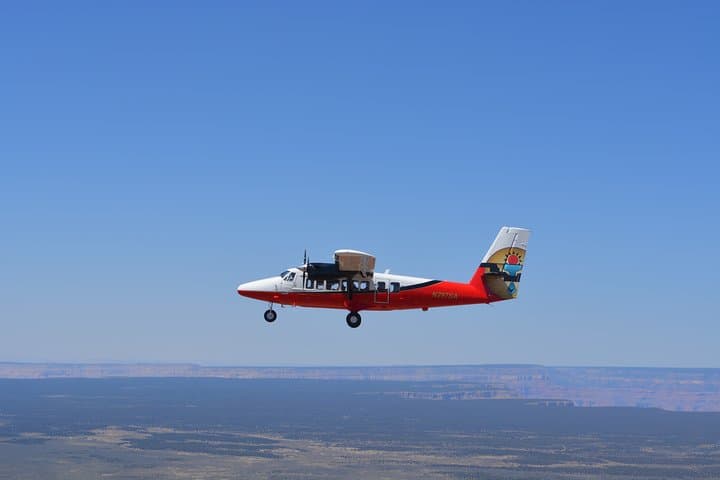
A strip of runway in the desert shrinks beneath you as the fixed‑wing climbs out of Boulder City, the Mojave unspooling in copper and sage. From the airplane window the Hoover Dam becomes a pinprick and Lake Mead a silver bruise; moments later the West Rim unfolds — serrated, raw, and improbably close. Arriving at Grand Canyon West, shuttle buses thread between viewpoints and the canyon’s walls seem to lean in, daring you to look deeper.
A strip of runway in the desert shrinks beneath you as the fixed‑wing climbs out of Boulder City, the Mojave unspooling in copper and sage. From the airplane window the Hoover Dam becomes a pinprick and Lake Mead a silver bruise; moments later the West Rim unfolds — serrated, raw, and improbably close. Arriving at Grand Canyon West, shuttle buses thread between viewpoints and the canyon’s walls seem to lean in, daring you to look deeper.
This sector of the Grand Canyon sits on Hualapai land and differs geologically from the national park’s South Rim: the West Rim emphasizes steep, volcanic and sedimentary cliffs cut by the Colorado River into dramatic vantage points like Guano Point and Eagle Point. The Skywalk — a glass U that projects over the abyss — opened as a visitor draw and offers a vertiginous but regulated perspective. Nearby, a reconstructed traditional village provides cultural context about Hualapai history and contemporary stewardship.
Practically, plan for a full day: flights to and from Boulder City add an aerial chapter to what is otherwise a land‑based sightseeing itinerary. Weather controls flight schedules; weight limits and early check‑in are operational realities. Wear sturdy closed‑toe shoes for rim trails, bring sun protection and layered clothing for temperature swings between terminal, tarmac, and canyon rim. If you add the helicopter/boat option, expect extra time on the ground and deeper immersion into the river corridor. Respect tribal lands, follow posted routes, and keep water close — the canyon rewards attention and preparation.