THE ADVENTURE COLLECTIVE® · Independent discovery and booking for outdoor travel

See the Grand Canyon from a rare vantage: a narrated round-trip flight from Phoenix that passes Sedona, the Painted Desert and a 20–30 minute overflight of the canyon’s widest, deepest section. Ideal for travelers who want dramatic views without the hike.
See the Grand Canyon from a rare vantage: a narrated round-trip flight from Phoenix that passes Sedona, the Painted Desert and a 20–30 minute overflight of the canyon’s widest, deepest section. Ideal for travelers who want dramatic views without the hike.
The engines settle into a steady hum and the Arizona landscape contracts into patterns: checkerboard mesas, red-rock fins of Sedona, then the high, pale sweep of the Painted Desert. From the cabin of a small turboprop, the Grand Canyon arrives as an engineered absence—ridges, terraces and shadowed arteries that open up beneath the plane. The flight climbs and the canyon’s scale reasserts itself; the Colorado River threads the bottom, daring you to imagine the time it took to cut this slab of continent.
Verified experiences and guided adventures in the surrounding area.
Operated by Westwind Air Service · Phoenix, Arizona
The engines settle into a steady hum and the Arizona landscape contracts into patterns: checkerboard mesas, red-rock fins of Sedona, then the high, pale sweep of the Painted Desert. From the cabin of a small turboprop, the Grand Canyon arrives as an engineered absence—ridges, terraces and shadowed arteries that open up beneath the plane. The flight climbs and the canyon’s scale reasserts itself; the Colorado River threads the bottom, daring you to imagine the time it took to cut this slab of continent.
This route follows long-standing air corridors over the Tonto National Forest and the Coconino Plateau, past the volcanic San Francisco Peaks and along the Navajo Nation. Geologically, the view is a lesson in exposed time: horizontal layers record ancient seas, deserts and rivers. Culturally, the corridor skirts ancestral lands and viewscapes sacred to Hopi, Havasupai and Navajo people—listen to narration that highlights these connections and the canyon’s conservation history.
Practically, the tour is straightforward: a roughly 3-hour round trip from Phoenix with a 20–30 minute overflight about 1,000 feet above the rims. Arrive at least 30 minutes early, bring layered clothing (desert temperatures shift quickly at altitude), and plan for sun on approach and return. Cameras with wide lenses work best from the window; consider motion-sickness remedies if you’re sensitive to small-aircraft movement. Flights are weather-dependent and may be rescheduled for safety—book a morning slot for steadier thermals and clearer light.
easy.
3 hours.
Suitable for travelers of all fitness levels; minimal mobility required for boarding and deplaning.
The narrated overflight lasts approximately 20–30 minutes and flies roughly 1,000 feet above the south rim and comparable altitude over the north rim.
The full experience is about 3 hours: roughly a one-hour flight to the canyon, a 20–30 minute overflight, and a one-hour return to Phoenix.
Yes—infants must sit on an adult’s lap; disclose infant passenger details at booking and at check-in.
Flights are weather-dependent; tours may be canceled or rescheduled for safety with refunds available if canceled at least 24 hours before departure.
The air corridors trace lands that have been inhabited by Indigenous peoples for millennia; modern aerial tourism began when smaller commercial operators opened scenic flights in the mid-20th century.
Operators typically follow FAA corridors to minimize noise over sensitive cultural sites; choose companies that commit to local land stewardship and respect tribal airspace concerns.
Westwind Air Service operates guided outdoor trips and adventures with an emphasis on safety, stewardship, and memorable experiences.
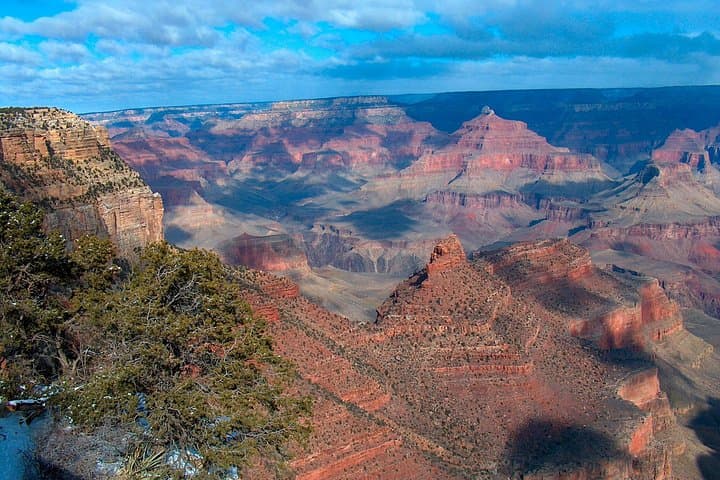
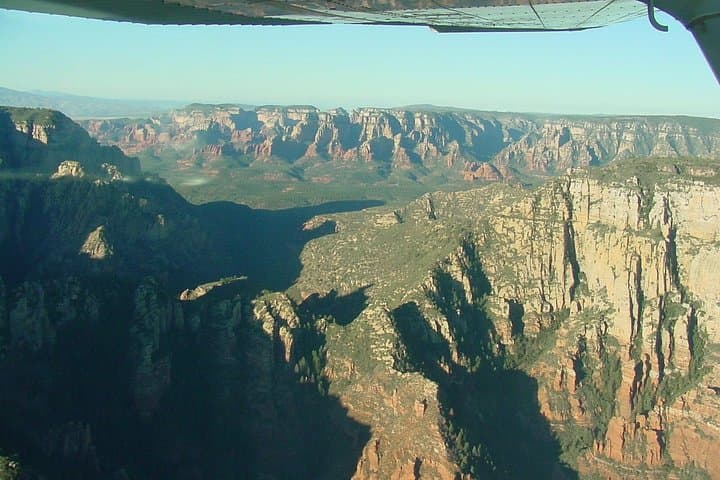
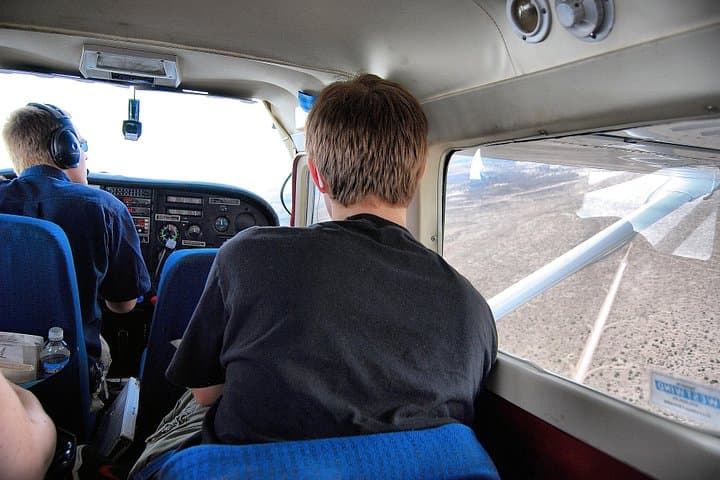
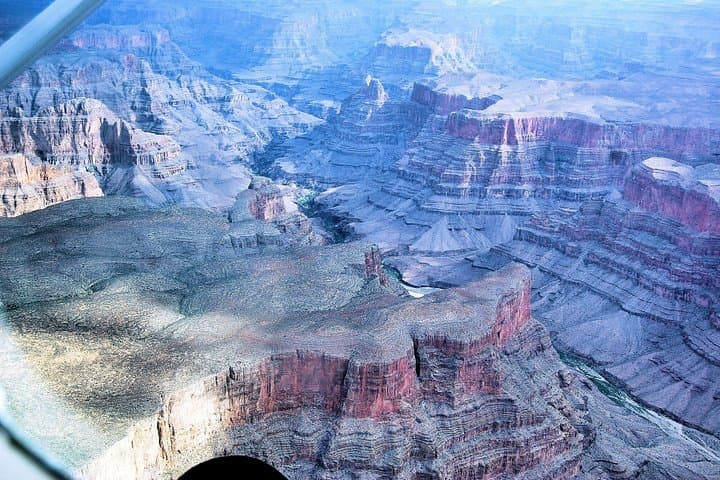
The engines settle into a steady hum and the Arizona landscape contracts into patterns: checkerboard mesas, red-rock fins of Sedona, then the high, pale sweep of the Painted Desert. From the cabin of a small turboprop, the Grand Canyon arrives as an engineered absence—ridges, terraces and shadowed arteries that open up beneath the plane. The flight climbs and the canyon’s scale reasserts itself; the Colorado River threads the bottom, daring you to imagine the time it took to cut this slab of continent.
The engines settle into a steady hum and the Arizona landscape contracts into patterns: checkerboard mesas, red-rock fins of Sedona, then the high, pale sweep of the Painted Desert. From the cabin of a small turboprop, the Grand Canyon arrives as an engineered absence—ridges, terraces and shadowed arteries that open up beneath the plane. The flight climbs and the canyon’s scale reasserts itself; the Colorado River threads the bottom, daring you to imagine the time it took to cut this slab of continent.
This route follows long-standing air corridors over the Tonto National Forest and the Coconino Plateau, past the volcanic San Francisco Peaks and along the Navajo Nation. Geologically, the view is a lesson in exposed time: horizontal layers record ancient seas, deserts and rivers. Culturally, the corridor skirts ancestral lands and viewscapes sacred to Hopi, Havasupai and Navajo people—listen to narration that highlights these connections and the canyon’s conservation history.
Practically, the tour is straightforward: a roughly 3-hour round trip from Phoenix with a 20–30 minute overflight about 1,000 feet above the rims. Arrive at least 30 minutes early, bring layered clothing (desert temperatures shift quickly at altitude), and plan for sun on approach and return. Cameras with wide lenses work best from the window; consider motion-sickness remedies if you’re sensitive to small-aircraft movement. Flights are weather-dependent and may be rescheduled for safety—book a morning slot for steadier thermals and clearer light.