THE ADVENTURE COLLECTIVE® · Independent discovery and booking for outdoor travel

Cruise the Grand Canal from Piazzale Roma, watch artisans blow glass on Murano, and return to San Marco by shuttle—an efficient two‑hour introduction to Venice’s waterways and crafts.
Cruise the Grand Canal from Piazzale Roma, watch artisans blow glass on Murano, and return to San Marco by shuttle—an efficient two‑hour introduction to Venice’s waterways and crafts.
You step out of Piazzale Roma and the city opens by water: a low hum of vaporetti, gondolas rocking against stone, and a wooden-hulled launch cutting a silver path down the Grand Canal. The guide lifts a small sign; the group climbs aboard. For the next two hours the city becomes kinetic—palazzi lean toward the water, bridges stitch neighborhoods, and the canal’s current pulls you toward the glass islands.
Verified experiences and guided adventures in the surrounding area.
Operated by Top Venice · Venice, Veneto
You step out of Piazzale Roma and the city opens by water: a low hum of vaporetti, gondolas rocking against stone, and a wooden-hulled launch cutting a silver path down the Grand Canal. The guide lifts a small sign; the group climbs aboard. For the next two hours the city becomes kinetic—palazzi lean toward the water, bridges stitch neighborhoods, and the canal’s current pulls you toward the glass islands.
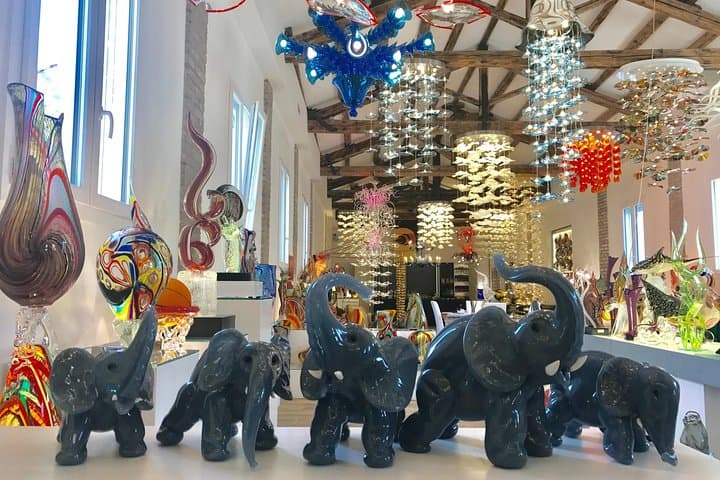
The route crosses the spine of Venice and continues north to Murano, whose history is inseparable from glass. In 1291 the Venetian Republic moved furnaces offshore to reduce fire risk and to keep glassmaking secrets within the lagoon. Murano’s factories and the basilica of Santa Maria e San Donato reflect centuries of technique and trade; the geology of the lagoon—silt, tidal channels, and reclaimed sandbanks—shaped settlement patterns and craft traditions here.
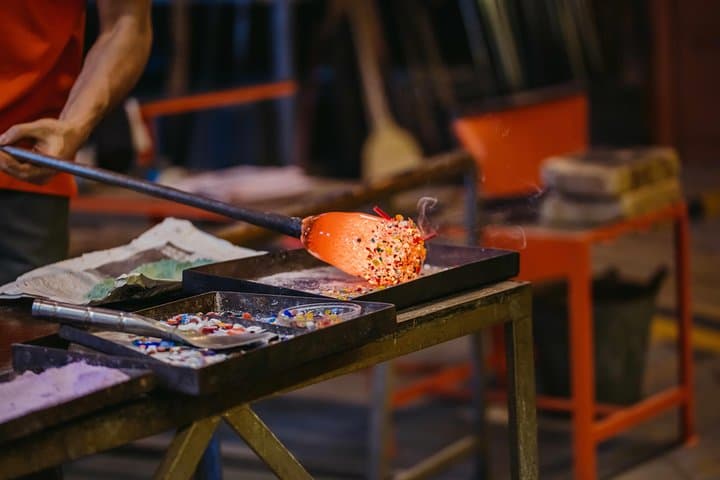
Expect a guided hour-long passage along the Grand Canal with narrated points of interest, then a factory tour on Murano showing traditional glassblowing and finishing. The return to San Marco square is by shuttle boat provided by the glassworks, often shared with other visitors.
Practical notes: arrive 15 minutes early at Piazzale Roma, bring sun protection and a light layer for wind off the water, and secure small bags on board. The tour is short but busy—plan photography quickly and leave time to stroll Murano’s quieter canals if you extend your visit.
easy.
2 hours.
Suitable for most fitness levels; involves short periods standing on a boat and light walking during the factory visit.
Meet at Piazzale Roma 15 minutes before departure; the guide will hold a sign reading the tour name near the NCC parking area.
Yes — the glass factory typically provides a shared shuttle boat back to San Marco square as part of the itinerary.
Yes — the tour notes indicate stroller accessibility, though parents should be prepared for steps and moving between boats and docks.
Full refund is available if you cancel at least 24 hours before departure; last‑minute cancellations are typically non‑refundable.
Murano became the center of Venetian glassmaking in the late 13th century when furnaces were moved offshore to reduce fire risk and to protect proprietary techniques.
Venice and the lagoon face overtourism and fragile ecology—use refillable bottles, avoid feeding wildlife, and stay on marked walkways and docks to minimize impact.
Top Venice operates guided outdoor trips and adventures with an emphasis on safety, stewardship, and memorable experiences.

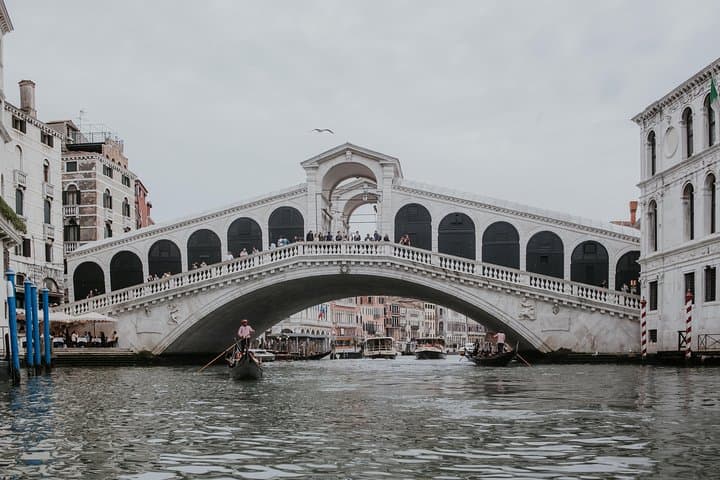
You step out of Piazzale Roma and the city opens by water: a low hum of vaporetti, gondolas rocking against stone, and a wooden-hulled launch cutting a silver path down the Grand Canal. The guide lifts a small sign; the group climbs aboard. For the next two hours the city becomes kinetic—palazzi lean toward the water, bridges stitch neighborhoods, and the canal’s current pulls you toward the glass islands.
You step out of Piazzale Roma and the city opens by water: a low hum of vaporetti, gondolas rocking against stone, and a wooden-hulled launch cutting a silver path down the Grand Canal. The guide lifts a small sign; the group climbs aboard. For the next two hours the city becomes kinetic—palazzi lean toward the water, bridges stitch neighborhoods, and the canal’s current pulls you toward the glass islands.
The route crosses the spine of Venice and continues north to Murano, whose history is inseparable from glass. In 1291 the Venetian Republic moved furnaces offshore to reduce fire risk and to keep glassmaking secrets within the lagoon. Murano’s factories and the basilica of Santa Maria e San Donato reflect centuries of technique and trade; the geology of the lagoon—silt, tidal channels, and reclaimed sandbanks—shaped settlement patterns and craft traditions here.
Expect a guided hour-long passage along the Grand Canal with narrated points of interest, then a factory tour on Murano showing traditional glassblowing and finishing. The return to San Marco square is by shuttle boat provided by the glassworks, often shared with other visitors.
Practical notes: arrive 15 minutes early at Piazzale Roma, bring sun protection and a light layer for wind off the water, and secure small bags on board. The tour is short but busy—plan photography quickly and leave time to stroll Murano’s quieter canals if you extend your visit.