THE ADVENTURE COLLECTIVE® · Independent discovery and booking for outdoor travel

Walk Grand-Bassam’s UNESCO-listed colonial quarter with a bilingual guide, visiting artisan ateliers, historical murals and the option for an oceanfront brunch. Expect gentle walking, coastal air and accessible cultural insights.
Walk Grand-Bassam’s UNESCO-listed colonial quarter with a bilingual guide, visiting artisan ateliers, historical murals and the option for an oceanfront brunch. Expect gentle walking, coastal air and accessible cultural insights.
You meet at the National Museum of Costume at 9 a.m., the town still shaking off the sea’s early light. The museum’s ochre walls and the narrow streets that fan out from it put you immediately in a place where the ocean still insists on its presence — waves nudging the shore, palm fronds tapping like a slow metronome.
Verified experiences and guided adventures in the surrounding area.
Operated by Adjo Josiane Miezan · Grand-Bassam, Lagunes
You meet at the National Museum of Costume at 9 a.m., the town still shaking off the sea’s early light. The museum’s ochre walls and the narrow streets that fan out from it put you immediately in a place where the ocean still insists on its presence — waves nudging the shore, palm fronds tapping like a slow metronome.
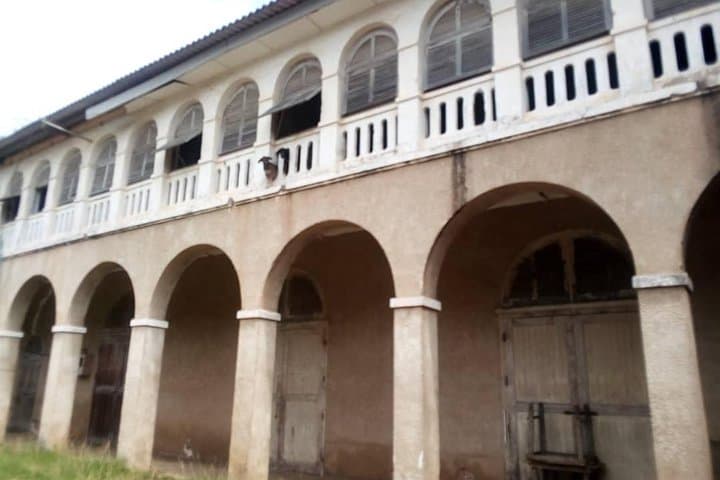
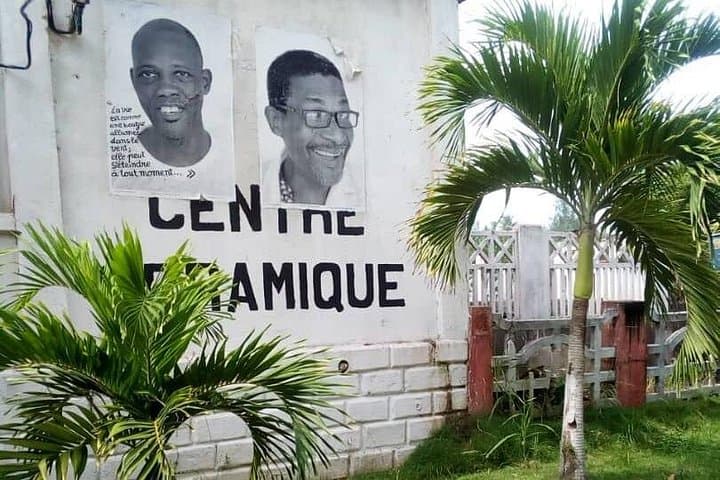
Grand-Bassam wears its history plainly. Once a French colonial port and an early administrative capital of what became Côte d’Ivoire, the town preserves late 19th–early 20th century wooden villas, market façades and blocky public buildings that earned it UNESCO status. You’ll see monuments that mark outbreaks of yellow fever, murals that honor women’s marches for change, and plaques that point to adapted uses of old colonial institutions.
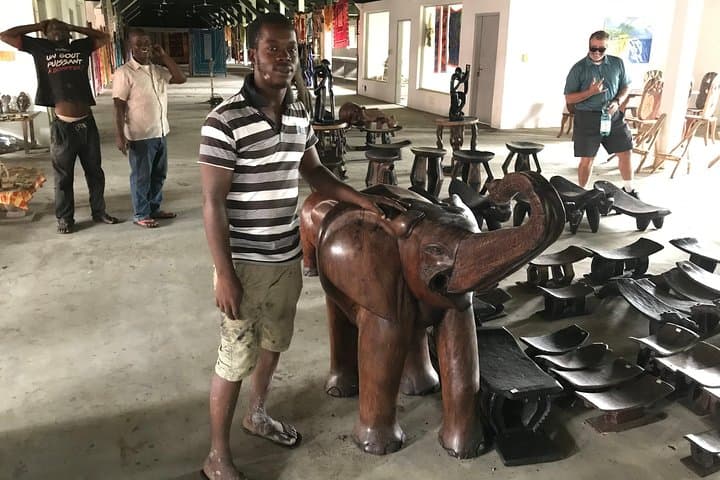
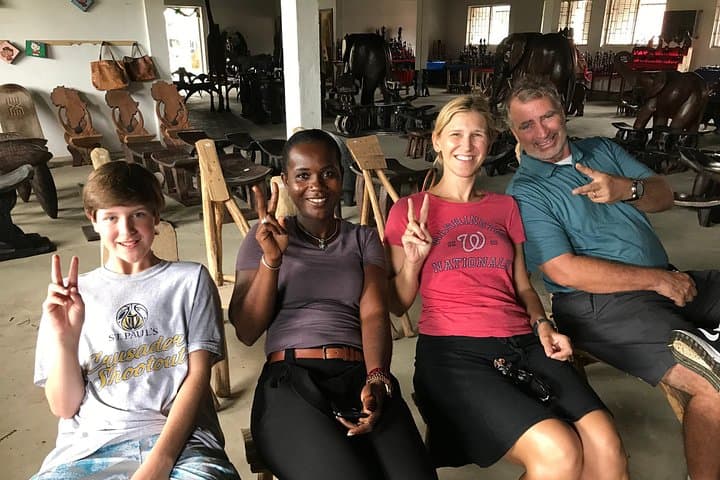
Geology here is low and coastal: sand, mangrove-backed estuaries and paved streets that slope gently toward the Gulf of Guinea. Artisan workshops—wood and brass carvings, pottery and contemporary art studios—are part of the walk, each open to questions and purchases if you choose.
Practical guidance: expect 3–4 hours on foot with roughly 2–4 km of walking on mixed paved and sandy surfaces at sea level; bring sun protection, a full water bottle and comfortable, flat-soled shoes. Carry small-denomination CFA francs for markets and workshops; many small vendors are cash-preferred. If heat or rain is a concern, schedule mornings and ask about a vehicle pickup — the tour is flexible for walkers or drivers and can be arranged for cruise passengers.
This tour combines coastal atmosphere, tangible colonial history and working artisan culture—an accessible, grounded way to read the layers of Grand-Bassam.
easy.
3–4 hours.
Suitable for most fitness levels; gentle walking with frequent stops for sites and workshops.
Yes, guides offer tours in French and English—confirm language preference at booking.
Yes, private pickup from the port can be arranged for an additional fee; reserve in advance to coordinate timing.
Yes, the route is low-elevation and paced with stops, making it suitable for most ages; disclose mobility needs when booking for accommodations.
No; the itinerary can include an oceanfront restaurant stop but the cost of any meal is not included in the tour price.
Grand-Bassam served as an early French colonial port and administrative center in the late 19th century and was inscribed as a UNESCO World Heritage Site for its preserved colonial town planning.
Visitors help conservation by buying directly from local artisans, avoiding off-trail walking near sensitive mangroves, and minimizing plastic waste in the coastal environment.
Adjo Josiane Miezan operates guided outdoor trips and adventures with an emphasis on safety, stewardship, and memorable experiences.
You meet at the National Museum of Costume at 9 a.m., the town still shaking off the sea’s early light. The museum’s ochre walls and the narrow streets that fan out from it put you immediately in a place where the ocean still insists on its presence — waves nudging the shore, palm fronds tapping like a slow metronome.
You meet at the National Museum of Costume at 9 a.m., the town still shaking off the sea’s early light. The museum’s ochre walls and the narrow streets that fan out from it put you immediately in a place where the ocean still insists on its presence — waves nudging the shore, palm fronds tapping like a slow metronome.
Grand-Bassam wears its history plainly. Once a French colonial port and an early administrative capital of what became Côte d’Ivoire, the town preserves late 19th–early 20th century wooden villas, market façades and blocky public buildings that earned it UNESCO status. You’ll see monuments that mark outbreaks of yellow fever, murals that honor women’s marches for change, and plaques that point to adapted uses of old colonial institutions.
Geology here is low and coastal: sand, mangrove-backed estuaries and paved streets that slope gently toward the Gulf of Guinea. Artisan workshops—wood and brass carvings, pottery and contemporary art studios—are part of the walk, each open to questions and purchases if you choose.
Practical guidance: expect 3–4 hours on foot with roughly 2–4 km of walking on mixed paved and sandy surfaces at sea level; bring sun protection, a full water bottle and comfortable, flat-soled shoes. Carry small-denomination CFA francs for markets and workshops; many small vendors are cash-preferred. If heat or rain is a concern, schedule mornings and ask about a vehicle pickup — the tour is flexible for walkers or drivers and can be arranged for cruise passengers.
This tour combines coastal atmosphere, tangible colonial history and working artisan culture—an accessible, grounded way to read the layers of Grand-Bassam.