THE ADVENTURE COLLECTIVE® · Independent discovery and booking for outdoor travel

A flexible three-hour private walk through Granada’s oldest quarters, from the Alhambra outlooks to the cave-lined Sacromonte. Perfect for travelers who want a customized mix of history, views and local tips.
A flexible three-hour private walk through Granada’s oldest quarters, from the Alhambra outlooks to the cave-lined Sacromonte. Perfect for travelers who want a customized mix of history, views and local tips.
Morning light cuts across red clay roofs and the Alhambra perches like a storybook fortress above the city. A local guide leads you through knotted lanes where stone steps force a slower pace and views unzip across the valley to the Sierra Nevada. Over three hours the city rearranges itself: monumental facades give way to narrow alleys, then to cave houses carved into the Sacromonte slope.
Verified experiences and guided adventures in the surrounding area.
Operated by Gosia Granada Guide · Granada, Andalusia
Morning light cuts across red clay roofs and the Alhambra perches like a storybook fortress above the city. A local guide leads you through knotted lanes where stone steps force a slower pace and views unzip across the valley to the Sierra Nevada. Over three hours the city rearranges itself: monumental facades give way to narrow alleys, then to cave houses carved into the Sacromonte slope.
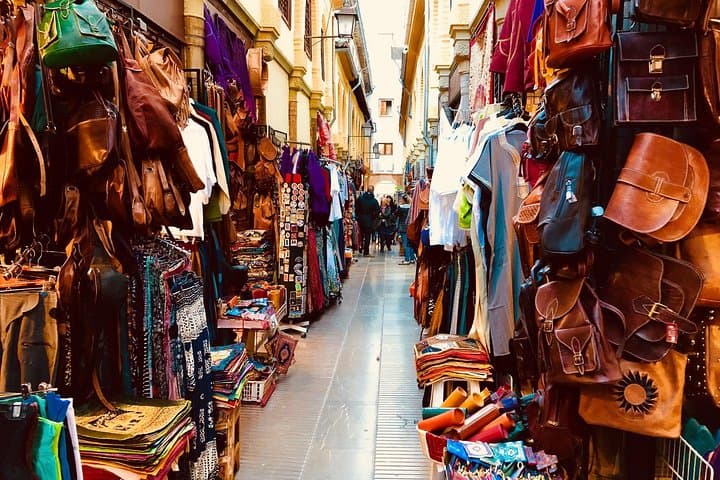
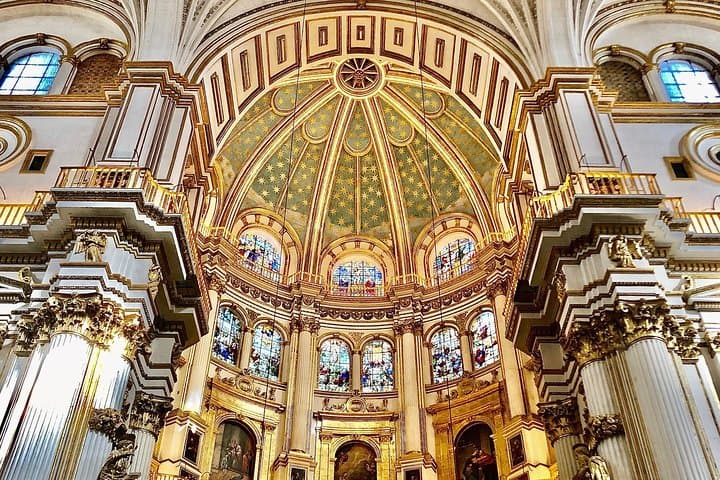
Granada sits at roughly 738 m elevation at the foot of the Sierra Nevada; its streets record eight centuries of Islamic and Christian rule. The tour highlights the Nasrid legacy—ornate tile, courtyards and the skyline that the Catholic Monarchs rewrote in 1492—while threading through trade points like the Alcaicería silk market and the Royal Chapel where Ferdinand and Isabella are entombed. Geology shows in the terraces and ravines carved by seasonal streams, and the city’s mix of limestone and clay surfaces shapes the walking underfoot.
Expect cobbles, short steep gains and many stairs: the route covers roughly 3–4 km on foot with intermittent uphill bursts to Mirador de San Nicolás for Alhambra views. Practicalities matter: Alhambra access normally requires separate tickets, so plan purchases ahead; wear broken-in shoes; carry water and a light layer against evening breezes. Morning and late-afternoon slots reduce heat and crowds; the guide can adapt the itinerary to mobility needs or personal interests, and can assist with skip-the-line tickets when available. This private, flexible walk is equal parts history lesson and urban hike—exactly the sort that makes a city feel like terrain to explore.
moderate.
3 hours.
Suitable for travelers who can walk 3–4 km and handle short, steep stair climbs; casual to moderate fitness required.
No—entry to the Alhambra is not included; the guide can advise on availability and help purchase skip-the-line tickets when possible.
The meeting point varies by program; the provider will confirm a central start location when you book—expect accessible urban meeting points.
Parts of the route are wheelchair accessible, but Albaicín and Sacromonte include narrow, steep streets and many stairs that can be difficult for mobility-impaired visitors—discuss needs with the guide in advance.
Plan for roughly 3–4 km of walking with intermittent uphill sections and stair climbs totaling about 100–150 m of elevation gain depending on the chosen route.
Granada was the last independent Nasrid kingdom in Iberia until 1492; its urban fabric reflects centuries of Islamic architecture later reworked by the Catholic Monarchs.
The Alhambra uses timed, ticketed entries to manage wear on fragile monuments; visitors should stay on marked routes and avoid touching delicate plasterwork to help conserve historic sites.
Gosia Granada Guide operates guided outdoor trips and adventures with an emphasis on safety, stewardship, and memorable experiences.
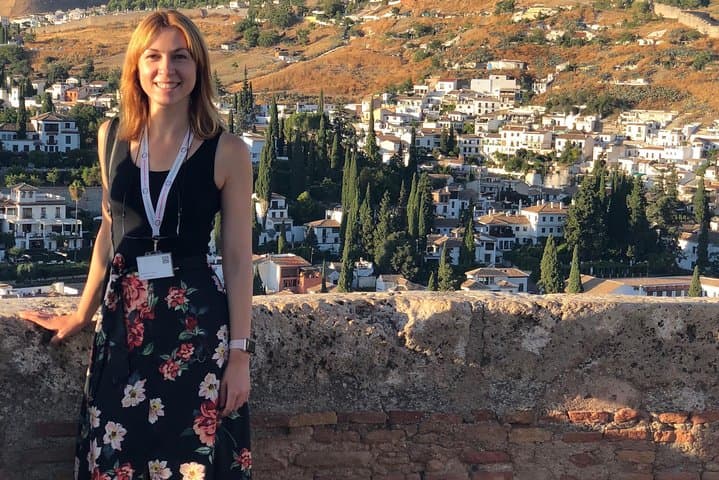
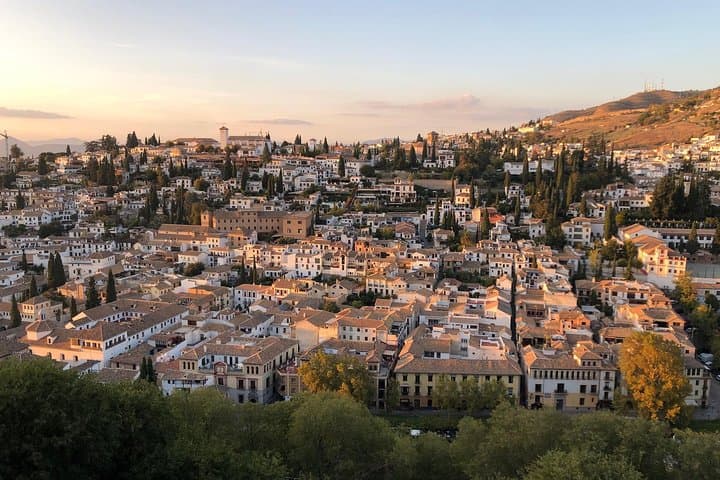
Morning light cuts across red clay roofs and the Alhambra perches like a storybook fortress above the city. A local guide leads you through knotted lanes where stone steps force a slower pace and views unzip across the valley to the Sierra Nevada. Over three hours the city rearranges itself: monumental facades give way to narrow alleys, then to cave houses carved into the Sacromonte slope.
Morning light cuts across red clay roofs and the Alhambra perches like a storybook fortress above the city. A local guide leads you through knotted lanes where stone steps force a slower pace and views unzip across the valley to the Sierra Nevada. Over three hours the city rearranges itself: monumental facades give way to narrow alleys, then to cave houses carved into the Sacromonte slope.
Granada sits at roughly 738 m elevation at the foot of the Sierra Nevada; its streets record eight centuries of Islamic and Christian rule. The tour highlights the Nasrid legacy—ornate tile, courtyards and the skyline that the Catholic Monarchs rewrote in 1492—while threading through trade points like the Alcaicería silk market and the Royal Chapel where Ferdinand and Isabella are entombed. Geology shows in the terraces and ravines carved by seasonal streams, and the city’s mix of limestone and clay surfaces shapes the walking underfoot.
Expect cobbles, short steep gains and many stairs: the route covers roughly 3–4 km on foot with intermittent uphill bursts to Mirador de San Nicolás for Alhambra views. Practicalities matter: Alhambra access normally requires separate tickets, so plan purchases ahead; wear broken-in shoes; carry water and a light layer against evening breezes. Morning and late-afternoon slots reduce heat and crowds; the guide can adapt the itinerary to mobility needs or personal interests, and can assist with skip-the-line tickets when available. This private, flexible walk is equal parts history lesson and urban hike—exactly the sort that makes a city feel like terrain to explore.