THE ADVENTURE COLLECTIVE® · Independent discovery and booking for outdoor travel

Spend a long, vivid day on Lake Nicaragua and in Granada: wind-driven shores at Playa La Virgen, a slow boat through Las Isletas, colonial streets and a crater-lake viewpoint in Catarina. This one-day itinerary packs nature, history and local flavors into a 13–14 hour adventure.
Spend a long, vivid day on Lake Nicaragua and in Granada: wind-driven shores at Playa La Virgen, a slow boat through Las Isletas, colonial streets and a crater-lake viewpoint in Catarina. This one-day itinerary packs nature, history and local flavors into a 13–14 hour adventure.
You step off the bus before dawn and the lake greets you like a living map—flat, wide, and restless with wind. By mid-morning Playa La Virgen opens up ahead: a strip of pale sand where gusts chase ripples across Lake Nicaragua and frame Ometepe’s twin volcanoes on the horizon. The tour moves at a purposeful pace—beach, colonial streets, a slow boat through Isletas, lunch on a private islet, and a final climb to the Catarina lookout—so the day feels like a string of well-measured revelations.
Verified experiences and guided adventures in the surrounding area.
Operated by Golden Tours Nicaragua · Granada, Granada Department
You step off the bus before dawn and the lake greets you like a living map—flat, wide, and restless with wind. By mid-morning Playa La Virgen opens up ahead: a strip of pale sand where gusts chase ripples across Lake Nicaragua and frame Ometepe’s twin volcanoes on the horizon. The tour moves at a purposeful pace—beach, colonial streets, a slow boat through Isletas, lunch on a private islet, and a final climb to the Catarina lookout—so the day feels like a string of well-measured revelations.
Granada’s history presses against every facade. Founded in 1524, the city is one of Central America’s oldest colonial settlements; its cathedral and convents narrate a past of Spanish missions, pirate raids, and 19th-century commerce. Geology plays its part too: Mombacho’s eruptions sculpted the Isletas long ago, sending volcanic debris that later became tiny, forested islands. Those islets, now ringed with boathouses and mangroves, are wildlife magnets—herons perch like watchful painters and howler monkeys call from thicker brush.
Culturally, the day is a primer in Nicaraguan flavors and rhythms. A quick walk through Granada’s Parque Central shows painted facades and market stalls hawking nacatamal and fresh fruit. On the water, boat captains point out Monkey Island and the small communities that fish these shallow waters; lunch—fresh fish, rice, and local salads—lands on the table with the lake as a backdrop.
Practicalities govern the pleasure: this is a long day (about 13–14 hours) that begins in Costa Rica and crosses into Nicaragua, so passports are required and border formalities should be considered before departure. Expect light walking—cobblestones in Granada, sandy approaches at La Virgen, and a short uphill stroll to the Catarina viewpoint. The boat segment is calm but exposed: sun and wind are constant companions.
Plan for hydration, sun protection, and a small dry bag for electronics. Bring local cash for souvenirs in Catarina and tip guides and boat crews. Timing matters—clear mornings offer the best visibility of Ometepe and the crater lake at Apoyo; afternoons can bring showers during the rainy season. Finally, move with curiosity but common sense: follow your guide’s instructions boarding boats and when approaching wildlife.
This is a compact, scenic curriculum—history, geology, and lake life rolled into one long, vivid day. For travelers who want to experience Nicaragua’s lakeshore, colonial center, and volcanic views without an overnight, it’s an efficient, memorable way to see why Granada and Las Isletas continue to draw explorers.
easy.
13–14 hours.
Light fitness is fine; expect short walks on cobblestones and sand, and brief stair climbs at viewpoints.
Yes—this itinerary crosses the Costa Rica–Nicaragua border. Bring your passport and check visa requirements for your nationality before travel.
The boat segment typically lasts about 90–120 minutes and includes wildlife viewing and stops near private islets for photos and lunch.
Yes—the tour is rated easy with minimal walking; however, long travel hours and boat transfers may be tiring for very young children or those with mobility issues.
Bring small denominations of USD or Nicaraguan córdobas (NIO). USD is widely accepted, but small vendors may prefer local currency.
Yes—breakfast and lunch are included in the tour price; lunches are typically local dishes served on a private islet or lakeside restaurant.
Swimming is possible at Playa La Virgen and Laguna de Apoyo, but always check with your guide about currents, water quality, and safe entry points before entering the water.
Granada was founded in 1524 and became a key colonial port and commercial center; the Isletas formed from volcanic deposits of Mombacho’s ancient eruptions.
The Isletas and surrounding wetlands are ecologically sensitive—avoid littering, use reef-safe sunblock near water, and follow guide instructions to minimize disturbance to wildlife.
Golden Tours Nicaragua operates guided outdoor trips and adventures with an emphasis on safety, stewardship, and memorable experiences.
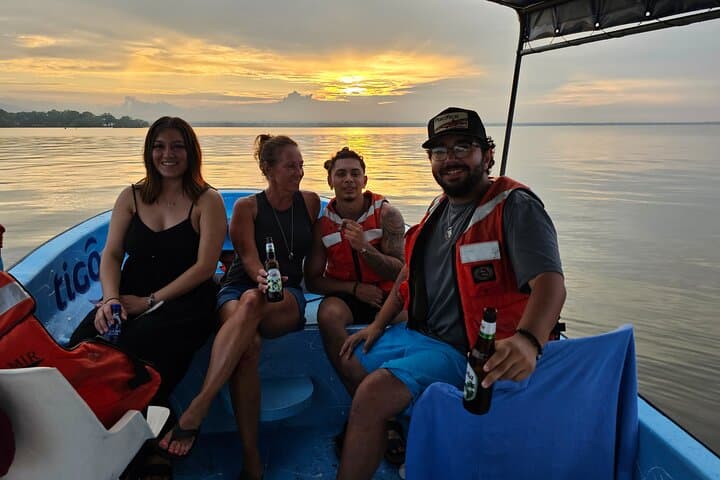
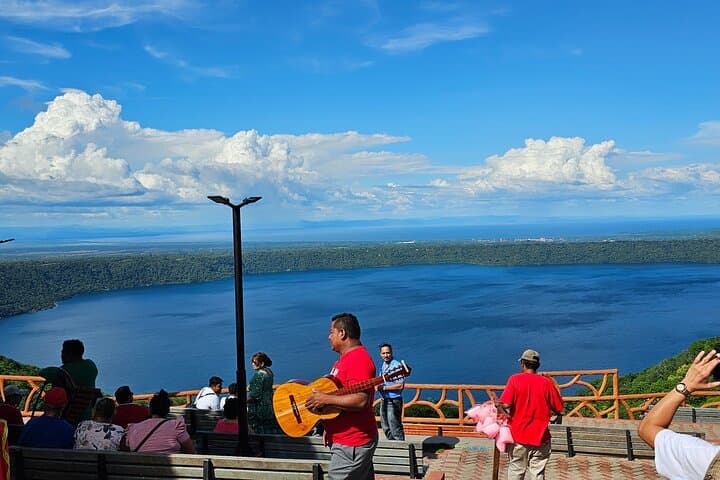
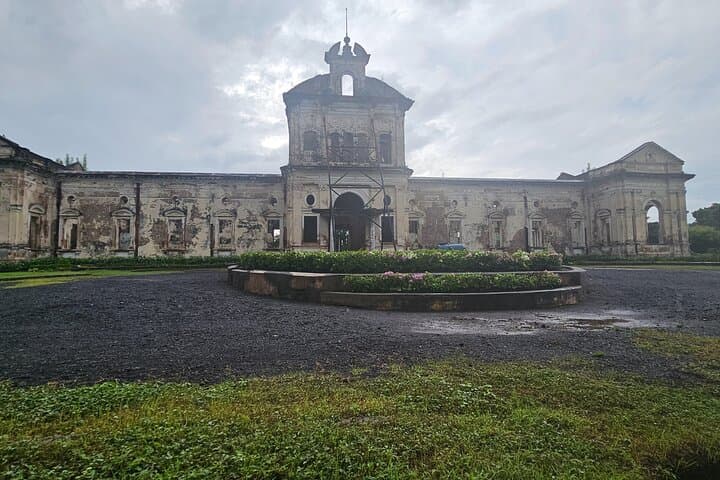
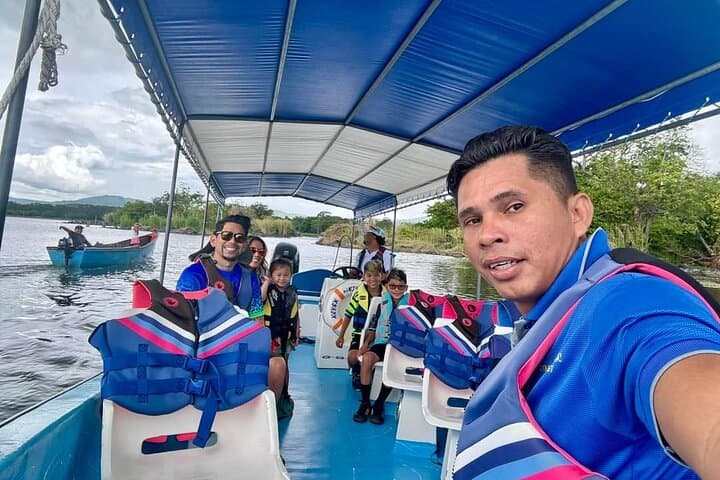
You step off the bus before dawn and the lake greets you like a living map—flat, wide, and restless with wind. By mid-morning Playa La Virgen opens up ahead: a strip of pale sand where gusts chase ripples across Lake Nicaragua and frame Ometepe’s twin volcanoes on the horizon. The tour moves at a purposeful pace—beach, colonial streets, a slow boat through Isletas, lunch on a private islet, and a final climb to the Catarina lookout—so the day feels like a string of well-measured revelations.
You step off the bus before dawn and the lake greets you like a living map—flat, wide, and restless with wind. By mid-morning Playa La Virgen opens up ahead: a strip of pale sand where gusts chase ripples across Lake Nicaragua and frame Ometepe’s twin volcanoes on the horizon. The tour moves at a purposeful pace—beach, colonial streets, a slow boat through Isletas, lunch on a private islet, and a final climb to the Catarina lookout—so the day feels like a string of well-measured revelations.
Granada’s history presses against every facade. Founded in 1524, the city is one of Central America’s oldest colonial settlements; its cathedral and convents narrate a past of Spanish missions, pirate raids, and 19th-century commerce. Geology plays its part too: Mombacho’s eruptions sculpted the Isletas long ago, sending volcanic debris that later became tiny, forested islands. Those islets, now ringed with boathouses and mangroves, are wildlife magnets—herons perch like watchful painters and howler monkeys call from thicker brush.
Culturally, the day is a primer in Nicaraguan flavors and rhythms. A quick walk through Granada’s Parque Central shows painted facades and market stalls hawking nacatamal and fresh fruit. On the water, boat captains point out Monkey Island and the small communities that fish these shallow waters; lunch—fresh fish, rice, and local salads—lands on the table with the lake as a backdrop.
Practicalities govern the pleasure: this is a long day (about 13–14 hours) that begins in Costa Rica and crosses into Nicaragua, so passports are required and border formalities should be considered before departure. Expect light walking—cobblestones in Granada, sandy approaches at La Virgen, and a short uphill stroll to the Catarina viewpoint. The boat segment is calm but exposed: sun and wind are constant companions.
Plan for hydration, sun protection, and a small dry bag for electronics. Bring local cash for souvenirs in Catarina and tip guides and boat crews. Timing matters—clear mornings offer the best visibility of Ometepe and the crater lake at Apoyo; afternoons can bring showers during the rainy season. Finally, move with curiosity but common sense: follow your guide’s instructions boarding boats and when approaching wildlife.
This is a compact, scenic curriculum—history, geology, and lake life rolled into one long, vivid day. For travelers who want to experience Nicaragua’s lakeshore, colonial center, and volcanic views without an overnight, it’s an efficient, memorable way to see why Granada and Las Isletas continue to draw explorers.