THE ADVENTURE COLLECTIVE® · Independent discovery and booking for outdoor travel

Glide among 365 small volcanic islets off Granada on a two-hour boat tour that pairs birdlife, stellar volcano views and a visit to the 17th-century San Pablo fortress. Best at sunrise or sunset for light, wildlife and cooler air.
Glide among 365 small volcanic islets off Granada on a two-hour boat tour that pairs birdlife, stellar volcano views and a visit to the 17th-century San Pablo fortress. Best at sunrise or sunset for light, wildlife and cooler air.
You push off from the Granada dock as the city yawns awake, the boat slicing a mirror of lake water that reflects Mombacho’s smoking profile and Ometepe’s twin cones. Small islands—mounded, green, and irregular—rise like spilled boulders from the lake; birds launch and circle, and the breeze carries both lake-salt and the distant smell of volcanic earth.
Verified experiences and guided adventures in the surrounding area.
Operated by Welcome to Nicaragua · Granada, Granada Department
You push off from the Granada dock as the city yawns awake, the boat slicing a mirror of lake water that reflects Mombacho’s smoking profile and Ometepe’s twin cones. Small islands—mounded, green, and irregular—rise like spilled boulders from the lake; birds launch and circle, and the breeze carries both lake-salt and the distant smell of volcanic earth.
Geology here reads like movement: the islets are fragments of Mombacho’s cone hurled into Lake Nicaragua during past eruptions, now rooted in shallow water and draped with vegetation. Spanish colonial history sets the human scene—Granada’s waterfront and the nearby fortress island of San Pablo date to 17th-century conflicts and trade routes that shaped the town.
Culture and wildlife mingle on these islets: fishermen maintain tiny gardens and visitors glimpse herons, kingfishers and migratory warblers between mangrove tangles. The islands dare you to slow down; mornings bring glassy light and active birds, while sunsets paint the volcanoes a slow, burning red.
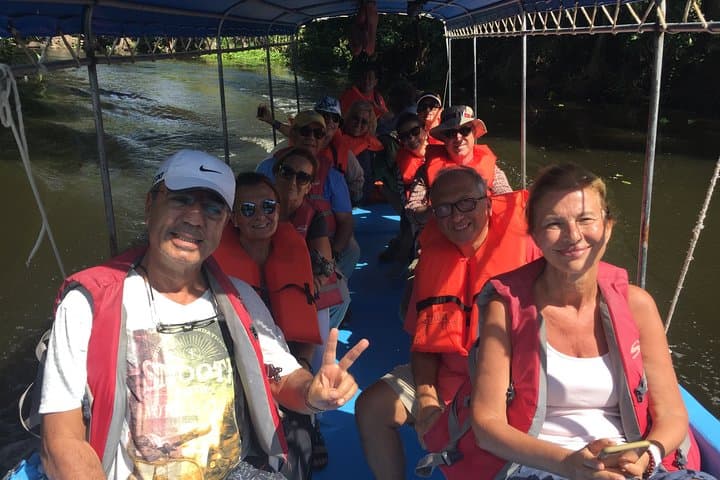
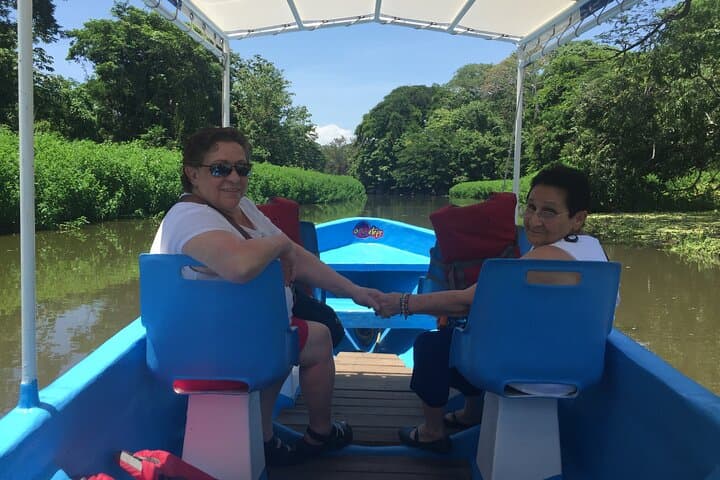
Practical guidance: tours typically last about two hours and use covered skiffs with life jackets provided; mornings and late afternoons deliver the best light and cooler temperatures. Bring sun protection, waterproof layers in the rainy season, and binoculars for birding. Expect short slow drifts past private islets and a stop at the historic San Pablo fortress island; most itineraries include bilingual guides and round-trip transport from central Granada. Keep plastic to a minimum—the islets are small and fragile—so pack out what you bring.
easy.
2 hours.
Suitable for all fitness levels; requires short boat transfers and gentle stepping on/off the skiff
The standard tour runs about two hours, with short stops for photo opportunities and a visit to the San Pablo fortress island.
Yes—boats come equipped with life jackets and a covered roof; guides will brief safety procedures before departure.
Most operators include private round-trip transfers from central Granada; confirm pickup point when booking.
Swimming is generally discouraged around the islets due to variable depths, boat traffic and conservation concerns—ask your guide about safe, permitted areas.
The islets formed when Mombacho’s cone partially collapsed in prehistoric eruptions; San Pablo fortress was built in 1665 to guard colonial trade routes and repel pirates.
The islets are small, privately owned and ecologically sensitive—minimize waste, avoid stepping on vegetation and support guides who follow low-impact practices.
Welcome to Nicaragua operates guided outdoor trips and adventures with an emphasis on safety, stewardship, and memorable experiences.
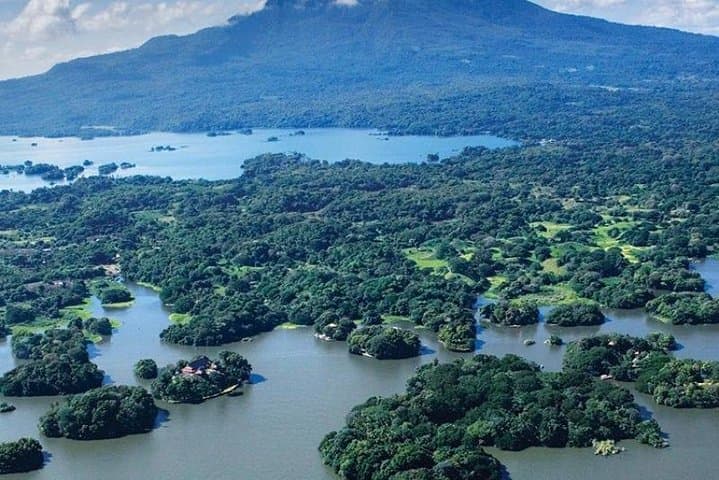
You push off from the Granada dock as the city yawns awake, the boat slicing a mirror of lake water that reflects Mombacho’s smoking profile and Ometepe’s twin cones. Small islands—mounded, green, and irregular—rise like spilled boulders from the lake; birds launch and circle, and the breeze carries both lake-salt and the distant smell of volcanic earth.
You push off from the Granada dock as the city yawns awake, the boat slicing a mirror of lake water that reflects Mombacho’s smoking profile and Ometepe’s twin cones. Small islands—mounded, green, and irregular—rise like spilled boulders from the lake; birds launch and circle, and the breeze carries both lake-salt and the distant smell of volcanic earth.
Geology here reads like movement: the islets are fragments of Mombacho’s cone hurled into Lake Nicaragua during past eruptions, now rooted in shallow water and draped with vegetation. Spanish colonial history sets the human scene—Granada’s waterfront and the nearby fortress island of San Pablo date to 17th-century conflicts and trade routes that shaped the town.
Culture and wildlife mingle on these islets: fishermen maintain tiny gardens and visitors glimpse herons, kingfishers and migratory warblers between mangrove tangles. The islands dare you to slow down; mornings bring glassy light and active birds, while sunsets paint the volcanoes a slow, burning red.
Practical guidance: tours typically last about two hours and use covered skiffs with life jackets provided; mornings and late afternoons deliver the best light and cooler temperatures. Bring sun protection, waterproof layers in the rainy season, and binoculars for birding. Expect short slow drifts past private islets and a stop at the historic San Pablo fortress island; most itineraries include bilingual guides and round-trip transport from central Granada. Keep plastic to a minimum—the islets are small and fragile—so pack out what you bring.