THE ADVENTURE COLLECTIVE® · Independent discovery and booking for outdoor travel

Hike a cloud forest crater on Mombacho, float in the crystal waters of Apoyo Lagoon, then kayak the storied Isletas of Granada—all in one full day. Expect steep trails, calm paddling, and vivid lake views.
Hike a cloud forest crater on Mombacho, float in the crystal waters of Apoyo Lagoon, then kayak the storied Isletas of Granada—all in one full day. Expect steep trails, calm paddling, and vivid lake views.
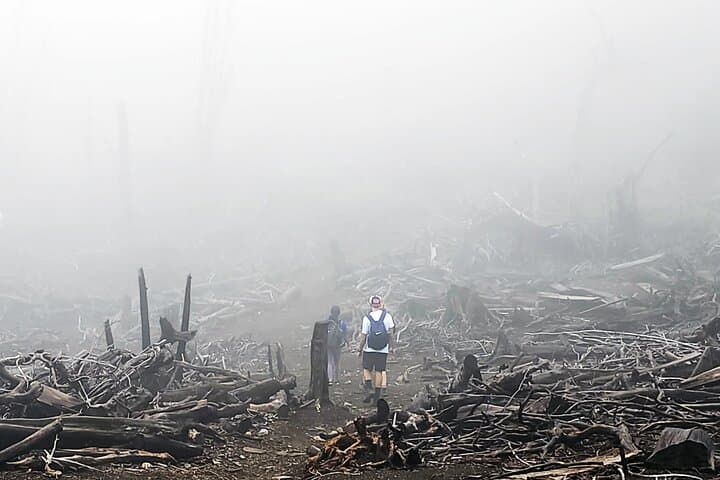
You leave Granada just after breakfast and the city’s colonial roofs shrink behind you as the road angles up toward Mombacho. The air cools; cloud fingers brush the bus windows. By the time you step onto the Puma Trail, the forest has a presence—epiphytes hanging like chandeliers, leaves dripping with the recent mist, birds calling from layers above. The 4.5-kilometre Puma Trail (about 2.8 miles) unfolds as a mix of steep switchbacks and old lava steps, with roughly 400 m (1,300 ft) of elevation change that pushes your breathing and rewards you with a crater-rim view of Lake Nicaragua, Ometepe’s twin cones, and the patchwork of Granada below.
Verified experiences and guided adventures in the surrounding area.
Operated by Golden Tours Nicaragua · Granada, Granada Department
You leave Granada just after breakfast and the city’s colonial roofs shrink behind you as the road angles up toward Mombacho. The air cools; cloud fingers brush the bus windows. By the time you step onto the Puma Trail, the forest has a presence—epiphytes hanging like chandeliers, leaves dripping with the recent mist, birds calling from layers above. The 4.5-kilometre Puma Trail (about 2.8 miles) unfolds as a mix of steep switchbacks and old lava steps, with roughly 400 m (1,300 ft) of elevation change that pushes your breathing and rewards you with a crater-rim view of Lake Nicaragua, Ometepe’s twin cones, and the patchwork of Granada below.
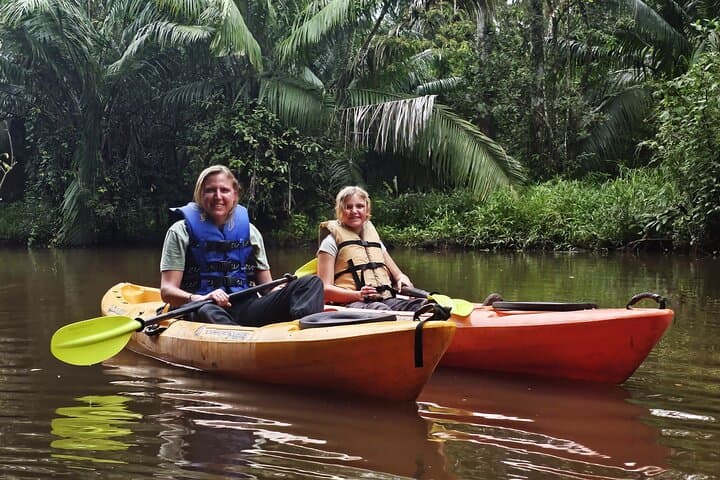
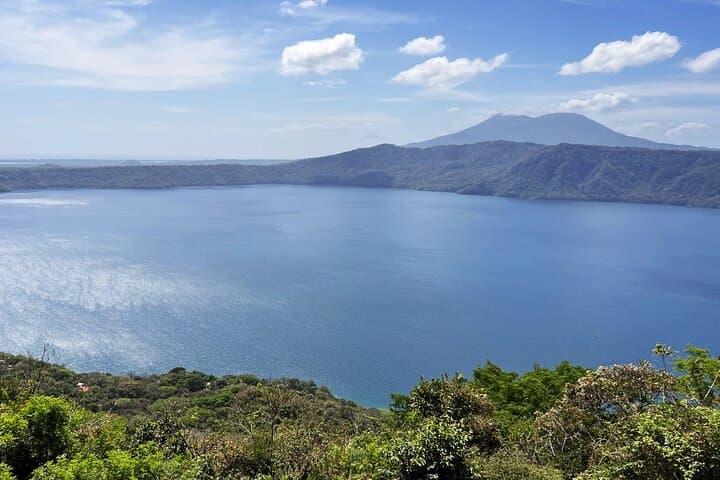
Mombacho’s geology reads like a short novel: a stratovolcano whose eruptions, tens of thousands of years ago, sculpted the islets that dot the lake today. Those tiny islands—formed when lava met water—are now green microhabitats, ringed by narrow channels and small communities. After the forest, the tour drifts into a different mood at Apoyo Lagoon, a volcanic caldera whose mauve cliffs and clear water make for ideal floating and sunbathing. The day finishes slow: a kayak glides through the Isletas’ sheltered lanes where kingfishers and howler monkeys keep watch.
The cultural thread here is subtle but persistent. Granada, one of the oldest colonial towns in the Americas, looks onto the same lake that has linked indigenous peoples, Spanish colonists, and Nicaraguan merchants for centuries. Local guides will point out coffee fincas clinging to slopes and share stories about traditional fishing on the islets—small, living ecosystems that support families and courting iguanas alike.
Practical edge: this is a long, varied day—expect 9–10 hours on tour. Bring sturdy, grippy hiking shoes for the Puma Trail (trail can be slick), a light rain shell for the cloud forest, and swimwear and a towel for Apoyo. Hydrate frequently—you’ll move between humid lowlands and cooler montane forest—carry a 1–2 L water supply or ask about refills. Kayaking on the islets is gentle but bring a dry bag for phone and camera; channels can be narrow and shaded, so insect repellent is useful.
Timing matters. Dry season (December–April) gives the clearest long-range views from the crater rim; rainy months intensify the cloud forest and the scent of orchids but make the trail muddier. If you’re aiming for wildlife, early in the morning on the trail or late afternoon on the islets improves your chances of seeing monkeys and more birds.
This one-day combination delivers the adrenaline of a volcanic hike, the quiet of a pristine crater lake, and the slow-motion paddling of one of Central America’s most photogenic archipelagos—packed into a single, well-paced day that rewards curiosity with real, varied terrain.
challenging.
9–10 hours.
Good aerobic fitness recommended; you’ll tackle a steep 4.5 km hike plus periods of paddling and swimming.
The Puma Trail is a challenging 4.5 km route with steep sections and roughly 400 m (1,300 ft) of elevation gain—guides lead the route and a moderate-to-high fitness level is recommended.
Yes; the Isletas paddle takes place in calm channels and is appropriate for all skill levels with basic paddling instruction provided.
Older children with good stamina can participate, but the full day and the demanding hike make it less suitable for very young kids—check with the operator for age restrictions.
The tour includes entrance fees for Mombacho and Apoyo Lagoon, kayak rental, guides, and transportation; confirm whether lunch or drinks are part of the package when booking.
You’re not reaching high altitudes, but the hike is strenuous; if prone to motion sickness, bring medication for the boat transfers across Lake Nicaragua.
Basic facilities exist at the Mombacho visitor area and at the Apoyo eco-lodge; expect limited amenities while kayaking among the islets.
Granada, founded in 1524, grew on the shores of Lake Nicaragua; eruptions from Mombacho long ago created the Isletas—tiny volcanic islands now used by local families.
Apoyo Lagoon is a protected caldera with local initiatives to reduce pollution—avoid single‑use plastics and use reef-safe sunscreen to minimize impact.
Golden Tours Nicaragua operates guided outdoor trips and adventures with an emphasis on safety, stewardship, and memorable experiences.
You leave Granada just after breakfast and the city’s colonial roofs shrink behind you as the road angles up toward Mombacho. The air cools; cloud fingers brush the bus windows. By the time you step onto the Puma Trail, the forest has a presence—epiphytes hanging like chandeliers, leaves dripping with the recent mist, birds calling from layers above. The 4.5-kilometre Puma Trail (about 2.8 miles) unfolds as a mix of steep switchbacks and old lava steps, with roughly 400 m (1,300 ft) of elevation change that pushes your breathing and rewards you with a crater-rim view of Lake Nicaragua, Ometepe’s twin cones, and the patchwork of Granada below.
You leave Granada just after breakfast and the city’s colonial roofs shrink behind you as the road angles up toward Mombacho. The air cools; cloud fingers brush the bus windows. By the time you step onto the Puma Trail, the forest has a presence—epiphytes hanging like chandeliers, leaves dripping with the recent mist, birds calling from layers above. The 4.5-kilometre Puma Trail (about 2.8 miles) unfolds as a mix of steep switchbacks and old lava steps, with roughly 400 m (1,300 ft) of elevation change that pushes your breathing and rewards you with a crater-rim view of Lake Nicaragua, Ometepe’s twin cones, and the patchwork of Granada below.
Mombacho’s geology reads like a short novel: a stratovolcano whose eruptions, tens of thousands of years ago, sculpted the islets that dot the lake today. Those tiny islands—formed when lava met water—are now green microhabitats, ringed by narrow channels and small communities. After the forest, the tour drifts into a different mood at Apoyo Lagoon, a volcanic caldera whose mauve cliffs and clear water make for ideal floating and sunbathing. The day finishes slow: a kayak glides through the Isletas’ sheltered lanes where kingfishers and howler monkeys keep watch.
The cultural thread here is subtle but persistent. Granada, one of the oldest colonial towns in the Americas, looks onto the same lake that has linked indigenous peoples, Spanish colonists, and Nicaraguan merchants for centuries. Local guides will point out coffee fincas clinging to slopes and share stories about traditional fishing on the islets—small, living ecosystems that support families and courting iguanas alike.
Practical edge: this is a long, varied day—expect 9–10 hours on tour. Bring sturdy, grippy hiking shoes for the Puma Trail (trail can be slick), a light rain shell for the cloud forest, and swimwear and a towel for Apoyo. Hydrate frequently—you’ll move between humid lowlands and cooler montane forest—carry a 1–2 L water supply or ask about refills. Kayaking on the islets is gentle but bring a dry bag for phone and camera; channels can be narrow and shaded, so insect repellent is useful.
Timing matters. Dry season (December–April) gives the clearest long-range views from the crater rim; rainy months intensify the cloud forest and the scent of orchids but make the trail muddier. If you’re aiming for wildlife, early in the morning on the trail or late afternoon on the islets improves your chances of seeing monkeys and more birds.
This one-day combination delivers the adrenaline of a volcanic hike, the quiet of a pristine crater lake, and the slow-motion paddling of one of Central America’s most photogenic archipelagos—packed into a single, well-paced day that rewards curiosity with real, varied terrain.