THE ADVENTURE COLLECTIVE® · Independent discovery and booking for outdoor travel

Combine Granada’s colonial streets, a boat trip through Lake Nicaragua’s isletas to see monkeys, and an unforgettable sunset at Masaya’s active crater. This single-day loop balances easy urban walking, a lake boat ride, and crater viewpoints for a packed outdoor experience.
Combine Granada’s colonial streets, a boat trip through Lake Nicaragua’s isletas to see monkeys, and an unforgettable sunset at Masaya’s active crater. This single-day loop balances easy urban walking, a lake boat ride, and crater viewpoints for a packed outdoor experience.
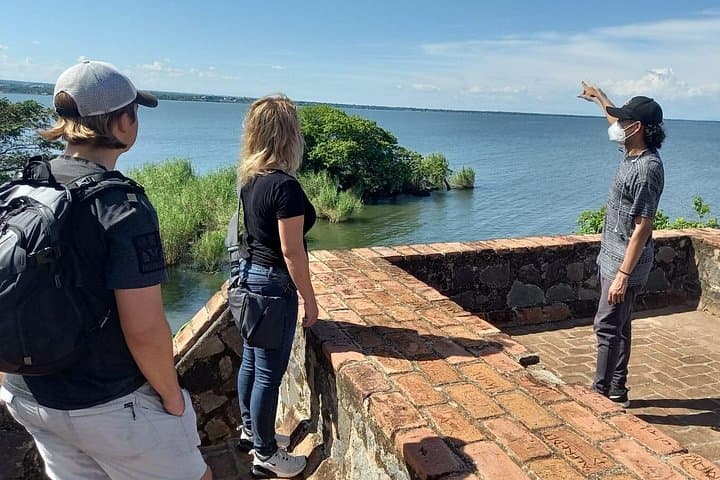
You step off the bus into sunlight on La Calzada, the clack of footsteps mixing with vendors and church bells; later the boat will cut a bright path through the isletas of Lake Nicaragua, skimming past green islands where howler monkeys eye you from the mangroves.
Verified experiences and guided adventures in the surrounding area.
Operated by Show Me Nicaragua Tours · Granada, Granada
You step off the bus into sunlight on La Calzada, the clack of footsteps mixing with vendors and church bells; later the boat will cut a bright path through the isletas of Lake Nicaragua, skimming past green islands where howler monkeys eye you from the mangroves.
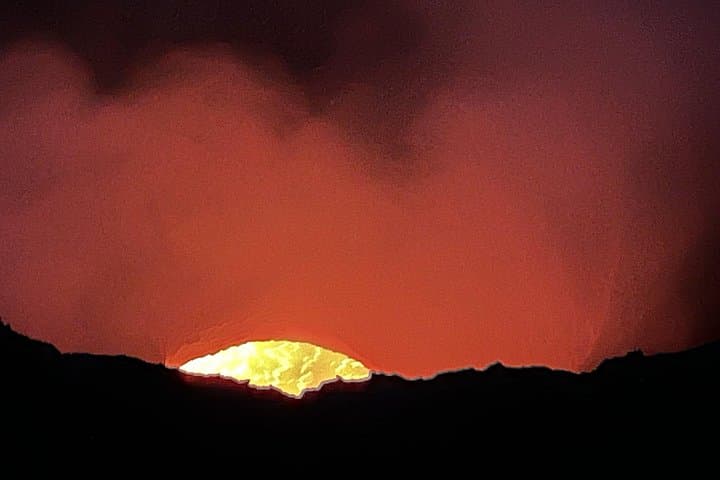
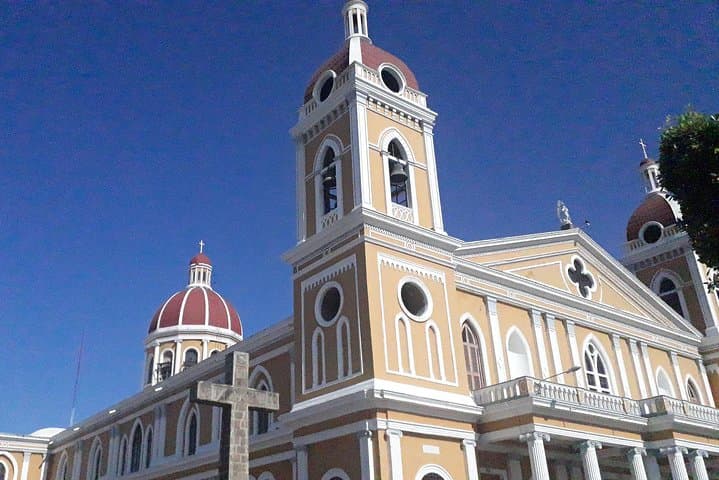
This full-day loop ties together Granada’s 16th-century colonial grid — with its bell towers and the climbable viewpoint at La Merced — the volcanic geology of Masaya, and the rippling ecology of the isletas. Granada was one of the first Spanish cities in Central America and its churches and chocolate traditions reflect that layered history. Masaya Volcano National Park sits on a basaltic caldera; Santiago crater is active and periodically shows incandescent lava, a stark reminder of Nicaragua’s tectonic edge.
Expect a mix of short urban walks (paved streets and stair climbs), a roughly one-hour boat ride among the isletas (boat fee often extra), and a drive of about 45–60 minutes each way between Granada and Masaya. The crater rim sits near 600–650 m elevation and is exposed to wind and volcanic fumes; sunset visits offer the best light for photos but require careful attention to park rules.
Practical guidance: bring cash for boat and park fees, carry a light windproof layer for the crater rim, wear sturdy walking shoes for cobblestones and short volcanic trails, and keep a respectful distance from crater edges. The tour runs about 6–7 hours with hotel pickup and is suitable for most fitness levels — a compact day that combines culture, wildlife and raw geology.
moderate.
6–7 hours.
Suitable for most people who can handle short urban climbs, stairs and a bit of walking on uneven volcanic terrain.
The full excursion runs about 6–7 hours including hotel pickup, city walking, a boat ride on the isletas, and a visit to Masaya Volcano.
Boat fee for the isletas is often not included in the base price—confirm with your operator and carry cash.
Yes, children can join but must be accompanied by an adult; volcanic viewpoints require close supervision around edges.
The park is managed with safety rules; guides enforce distance from the crater rim due to gases and unstable ground. Visits are generally safe when instructions are followed.
Granada was founded in 1524 and became an important colonial port; its architecture and chocolate-making traditions reflect Spanish and indigenous influences.
Masaya and the isletas are sensitive ecosystems—avoid littering, honour restricted zones at the crater, and support local guides who practice responsible tourism.
Show Me Nicaragua Tours operates guided outdoor trips and adventures with an emphasis on safety, stewardship, and memorable experiences.

You step off the bus into sunlight on La Calzada, the clack of footsteps mixing with vendors and church bells; later the boat will cut a bright path through the isletas of Lake Nicaragua, skimming past green islands where howler monkeys eye you from the mangroves.
You step off the bus into sunlight on La Calzada, the clack of footsteps mixing with vendors and church bells; later the boat will cut a bright path through the isletas of Lake Nicaragua, skimming past green islands where howler monkeys eye you from the mangroves.
This full-day loop ties together Granada’s 16th-century colonial grid — with its bell towers and the climbable viewpoint at La Merced — the volcanic geology of Masaya, and the rippling ecology of the isletas. Granada was one of the first Spanish cities in Central America and its churches and chocolate traditions reflect that layered history. Masaya Volcano National Park sits on a basaltic caldera; Santiago crater is active and periodically shows incandescent lava, a stark reminder of Nicaragua’s tectonic edge.
Expect a mix of short urban walks (paved streets and stair climbs), a roughly one-hour boat ride among the isletas (boat fee often extra), and a drive of about 45–60 minutes each way between Granada and Masaya. The crater rim sits near 600–650 m elevation and is exposed to wind and volcanic fumes; sunset visits offer the best light for photos but require careful attention to park rules.
Practical guidance: bring cash for boat and park fees, carry a light windproof layer for the crater rim, wear sturdy walking shoes for cobblestones and short volcanic trails, and keep a respectful distance from crater edges. The tour runs about 6–7 hours with hotel pickup and is suitable for most fitness levels — a compact day that combines culture, wildlife and raw geology.