THE ADVENTURE COLLECTIVE® · Independent discovery and booking for outdoor travel

Glide through Lake Nicaragua’s isletas to meet monkeys, explore an 18th-century fort and climb Granada’s bell-tower views. This three- to four-hour boat-and-walking tour pairs wildlife spotting with colonial history.
Glide through Lake Nicaragua’s isletas to meet monkeys, explore an 18th-century fort and climb Granada’s bell-tower views. This three- to four-hour boat-and-walking tour pairs wildlife spotting with colonial history.
You push off from Granada's stone quay as the morning light catches on churned lake water; the boat slips among finger-like islets, each a green outcrop where birds call and the wind moves the palms like a slow hand. The guide points to a cluster of volcanic rock where a family of howler monkeys often lazes; the Mombacho volcano rises across the water, its slopes a dark, watchful presence.
Verified experiences and guided adventures in the surrounding area.
Operated by Show Me Nicaragua Tours · Granada, Granada Department
You push off from Granada's stone quay as the morning light catches on churned lake water; the boat slips among finger-like islets, each a green outcrop where birds call and the wind moves the palms like a slow hand. The guide points to a cluster of volcanic rock where a family of howler monkeys often lazes; the Mombacho volcano rises across the water, its slopes a dark, watchful presence.
Granada was one of the first Spanish settlements on Lake Nicaragua, and the city center still bears heavy colonial lines — the cathedral, the bell towers and the 18th-century San Pablo fort at the islets’ edge speak to military trade routes and defensive architecture. Geologically the isletas are fragments of volcanic ejecta and lake sediments formed after Mombacho's eruptions; they create shallow bays rich in waterfowl and fish.
Culturally the tour pairs natural history with city life: a short walking tour takes you past La Merced’s overlook and down La Calzada, where restaurants and cafes line the paved street. Expect a short visit on a small boat to Monkey Island, an explanation of the San Pablo fort, and a stop at a chocolate museum where local cacao history is shared.
Practical guidance: the tour lasts roughly 3–4 hours and includes pickup; the boat fee for the isletas is often paid directly to the captain in cash. Wear sturdy sandals or walking shoes, sun protection, and bring a refillable water bottle and a light rain layer in the wet season. Bring small bills for on-island fees and support local vendors — and avoid feeding wildlife. Morning departures give the calmest water and the best light for photos of Mombacho.
easy.
3–4 hours.
Suitable for most fitness levels; requires short stretches of boarding and walking over cobblestones.
No; the local boat fee to access certain islets is normally paid directly to the captain in cash during the tour.
Tours advertise bilingual guides (Spanish and English); confirm at booking if you need another language or a private translator.
Yes; the tour lists hotel/airport pickup and drop-off as included—confirm your pickup details when you book.
Yes, but children must be accompanied by an adult and be comfortable boarding small boats and walking on uneven surfaces.
Granada was a key Spanish colonial port on Lake Nicaragua; the San Pablo fort and central cathedrals reflect 18th-century defensive and ecclesiastical architecture.
Isletas are small, fragile habitats—avoid littering, don’t feed wildlife and use biodegradable sunscreen; support local guides who follow responsible-visit practices.
Show Me Nicaragua Tours operates guided outdoor trips and adventures with an emphasis on safety, stewardship, and memorable experiences.
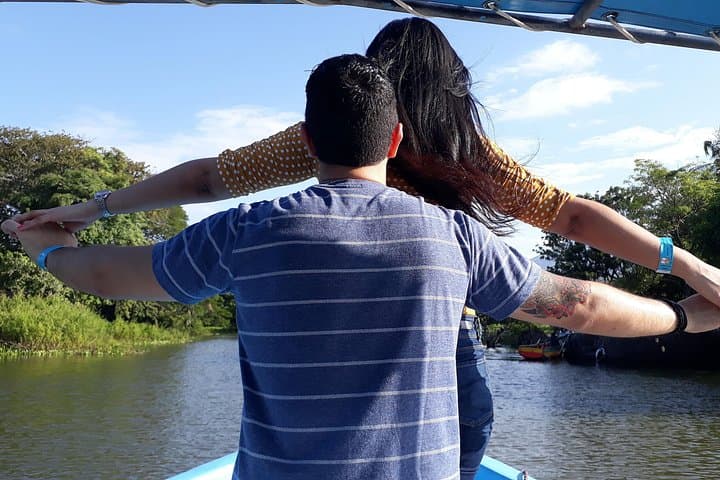
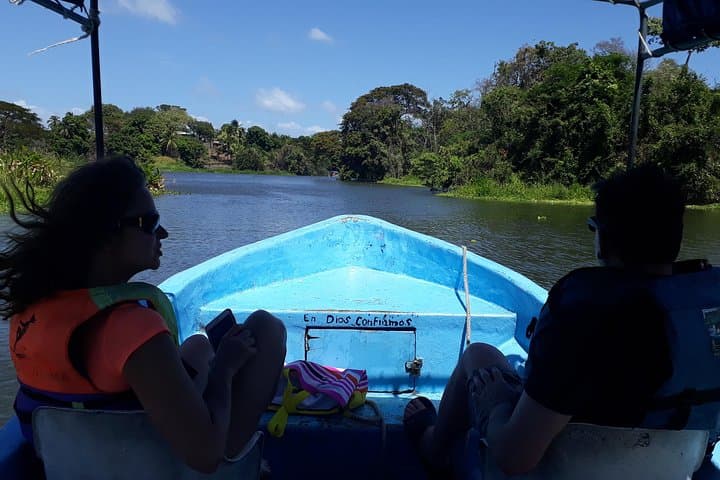
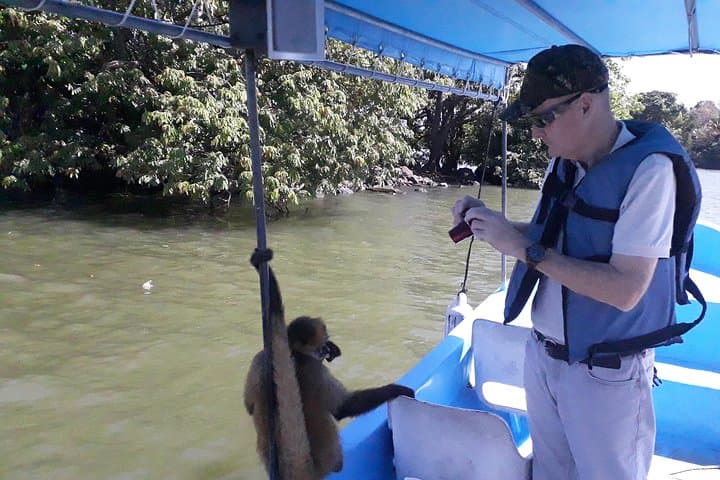
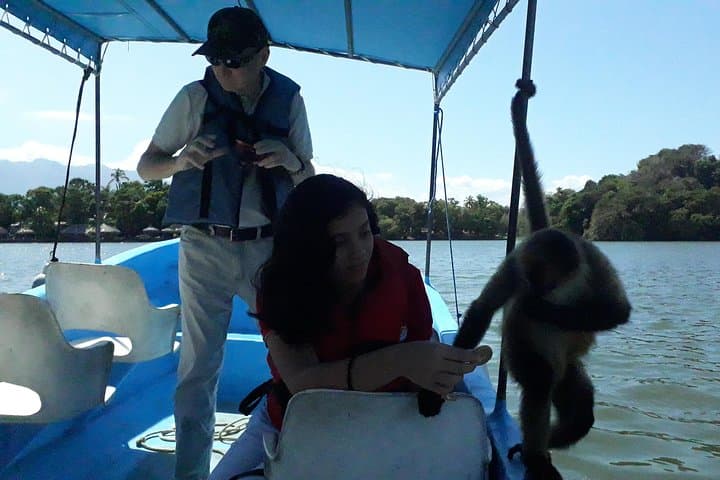
You push off from Granada's stone quay as the morning light catches on churned lake water; the boat slips among finger-like islets, each a green outcrop where birds call and the wind moves the palms like a slow hand. The guide points to a cluster of volcanic rock where a family of howler monkeys often lazes; the Mombacho volcano rises across the water, its slopes a dark, watchful presence.
You push off from Granada's stone quay as the morning light catches on churned lake water; the boat slips among finger-like islets, each a green outcrop where birds call and the wind moves the palms like a slow hand. The guide points to a cluster of volcanic rock where a family of howler monkeys often lazes; the Mombacho volcano rises across the water, its slopes a dark, watchful presence.
Granada was one of the first Spanish settlements on Lake Nicaragua, and the city center still bears heavy colonial lines — the cathedral, the bell towers and the 18th-century San Pablo fort at the islets’ edge speak to military trade routes and defensive architecture. Geologically the isletas are fragments of volcanic ejecta and lake sediments formed after Mombacho's eruptions; they create shallow bays rich in waterfowl and fish.
Culturally the tour pairs natural history with city life: a short walking tour takes you past La Merced’s overlook and down La Calzada, where restaurants and cafes line the paved street. Expect a short visit on a small boat to Monkey Island, an explanation of the San Pablo fort, and a stop at a chocolate museum where local cacao history is shared.
Practical guidance: the tour lasts roughly 3–4 hours and includes pickup; the boat fee for the isletas is often paid directly to the captain in cash. Wear sturdy sandals or walking shoes, sun protection, and bring a refillable water bottle and a light rain layer in the wet season. Bring small bills for on-island fees and support local vendors — and avoid feeding wildlife. Morning departures give the calmest water and the best light for photos of Mombacho.