THE ADVENTURE COLLECTIVE® · Independent discovery and booking for outdoor travel

Head offshore from Gran Canaria aboard a purpose-built catamaran to track dolphins and whales in nutrient-rich currents. This 2½-hour cruise blends wildlife watching, glass-bottom viewing, and a science-minded approach to marine conservation.
Head offshore from Gran Canaria aboard a purpose-built catamaran to track dolphins and whales in nutrient-rich currents. This 2½-hour cruise blends wildlife watching, glass-bottom viewing, and a science-minded approach to marine conservation.
The catamaran slips out of the harbor and the island falls behind you like an old map—the wind nudges the sails and the glass-bottom panels promise a different view of the ocean below. Sea spray cools your face as pods of dolphins begin to weave around the bow, their collars of bubbles daring you to lean closer.
Verified experiences and guided adventures in the surrounding area.
Operated by Dolphin and Whales · Las Palmas de Gran Canaria, Canary Islands
The catamaran slips out of the harbor and the island falls behind you like an old map—the wind nudges the sails and the glass-bottom panels promise a different view of the ocean below. Sea spray cools your face as pods of dolphins begin to weave around the bow, their collars of bubbles daring you to lean closer.
Gran Canaria’s coastline is carved from volcanic rock and sculpted by currents that funnel nutrients into offshore canyons, creating rich feeding grounds for cetaceans. Seafaring here has always mixed work and weather—traditional fishing villages dot the coast and modern researchers now chart migration routes from onboard excursions like this one. The operator’s long collaboration with marine scientists means sightings are logged and stray nets are removed when possible, a small act of stewardship that keeps these waters livable.
Onboard, a compact brochure outlines species you might see—common dolphins, bottlenose, and occasional pilot whales—while the glass-bottom windows give an underwater snapshot when animals swim near. The trip runs about 2½ hours, and soft drinks and water are provided. The vessel is wheelchair accessible and family friendly; infants ride on laps.
Practical note: mornings are usually calmer and give better visibility; dress in layers for wind and sun, bring binoculars, and consider seasickness prevention if you’re prone. Cameras with fast autofocus will capture breaches; be ready for sudden bursts of action when a pod decides to perform. If no cetaceans appear, the operator’s rebooking policy offers a follow-up outing—an acknowledgement that the sea keeps the final word on every sighting.
easy.
2–3 hours.
Suitable for most fitness levels; minimal mobility required to move around deck
The excursion lasts approximately 2½ hours from boarding to return.
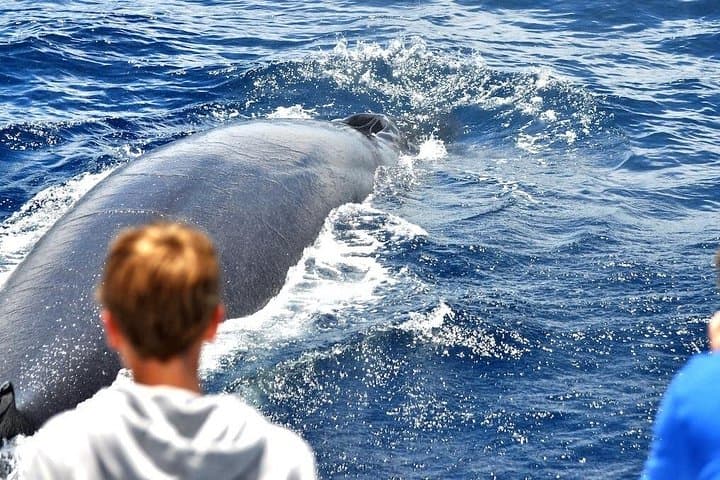
Common sightings include common dolphins and bottlenose dolphins; pilot whales and sea turtles are possible depending on season and currents.
Free soft drinks and water are provided; the vessel is wheelchair accessible and suitable for families, with infants required to sit on laps.
The operator offers a rebooking bonus or free return trip in the rare event that no whales or dolphins are spotted on your outing.
Gran Canaria’s maritime culture shifted from traditional fishing to scientific observation over the last decades; local operators now often collaborate with universities to record sightings and collect data.
Operators frequently remove drifting plastics and abandoned nets during excursions and log sightings to support marine research and conservation programs.
Dolphin and Whales operates guided outdoor trips and adventures with an emphasis on safety, stewardship, and memorable experiences.
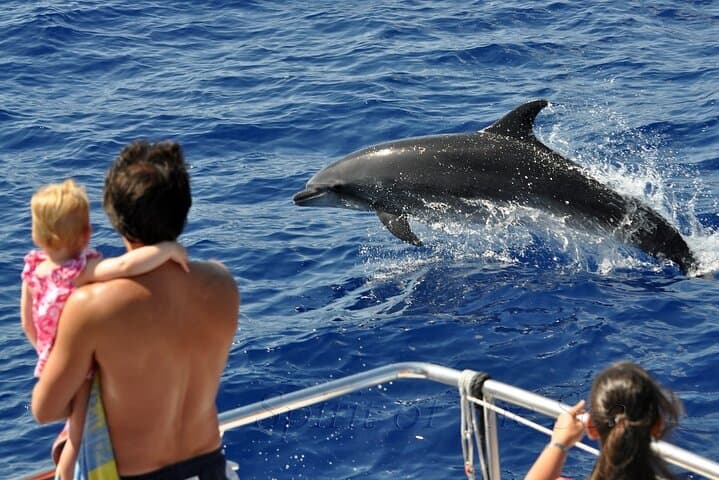
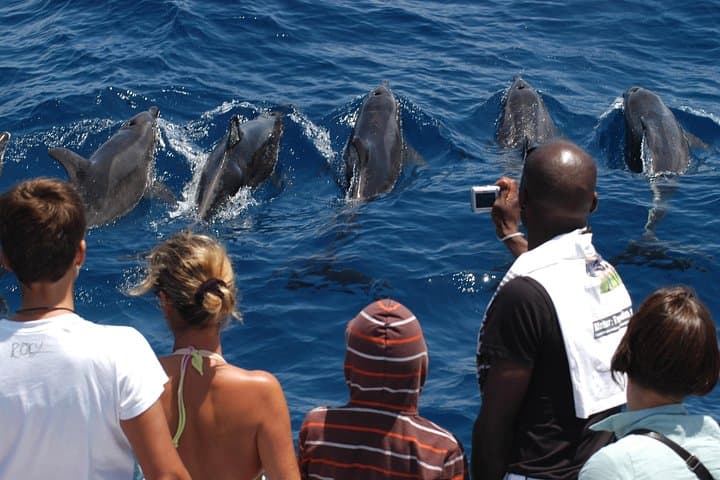
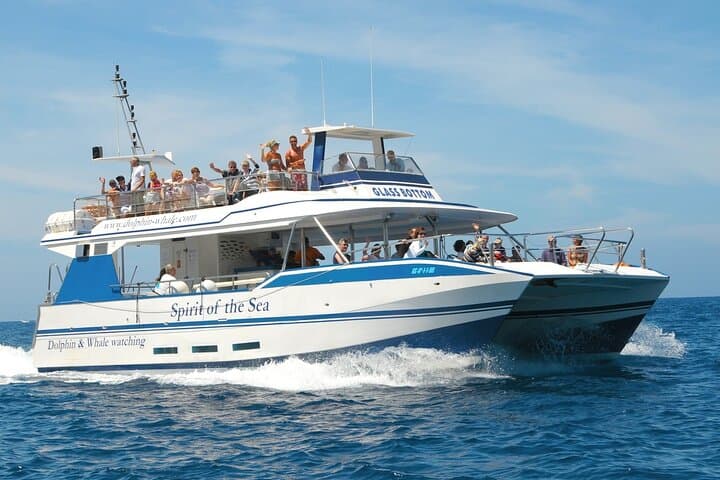
The catamaran slips out of the harbor and the island falls behind you like an old map—the wind nudges the sails and the glass-bottom panels promise a different view of the ocean below. Sea spray cools your face as pods of dolphins begin to weave around the bow, their collars of bubbles daring you to lean closer.
The catamaran slips out of the harbor and the island falls behind you like an old map—the wind nudges the sails and the glass-bottom panels promise a different view of the ocean below. Sea spray cools your face as pods of dolphins begin to weave around the bow, their collars of bubbles daring you to lean closer.
Gran Canaria’s coastline is carved from volcanic rock and sculpted by currents that funnel nutrients into offshore canyons, creating rich feeding grounds for cetaceans. Seafaring here has always mixed work and weather—traditional fishing villages dot the coast and modern researchers now chart migration routes from onboard excursions like this one. The operator’s long collaboration with marine scientists means sightings are logged and stray nets are removed when possible, a small act of stewardship that keeps these waters livable.
Onboard, a compact brochure outlines species you might see—common dolphins, bottlenose, and occasional pilot whales—while the glass-bottom windows give an underwater snapshot when animals swim near. The trip runs about 2½ hours, and soft drinks and water are provided. The vessel is wheelchair accessible and family friendly; infants ride on laps.
Practical note: mornings are usually calmer and give better visibility; dress in layers for wind and sun, bring binoculars, and consider seasickness prevention if you’re prone. Cameras with fast autofocus will capture breaches; be ready for sudden bursts of action when a pod decides to perform. If no cetaceans appear, the operator’s rebooking policy offers a follow-up outing—an acknowledgement that the sea keeps the final word on every sighting.