THE ADVENTURE COLLECTIVE® · Independent discovery and booking for outdoor travel

Swap sunbathing for wind-sculpted ridgelines: this eight-hour Grand Tour takes you from Arucas’ florid town center to the monolithic Roque Nublo, with local history and a mountain lunch at Balcón de Zamora. It’s a compact primer on Gran Canaria’s geology, culture and highland views.
Swap sunbathing for wind-sculpted ridgelines: this eight-hour Grand Tour takes you from Arucas’ florid town center to the monolithic Roque Nublo, with local history and a mountain lunch at Balcón de Zamora. It’s a compact primer on Gran Canaria’s geology, culture and highland views.
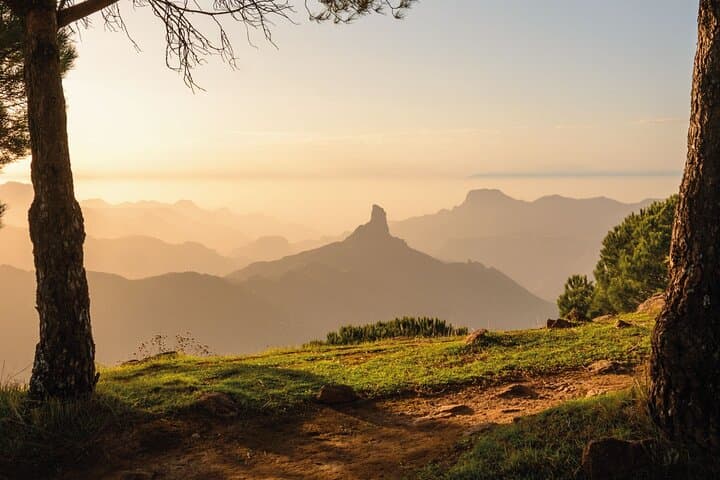
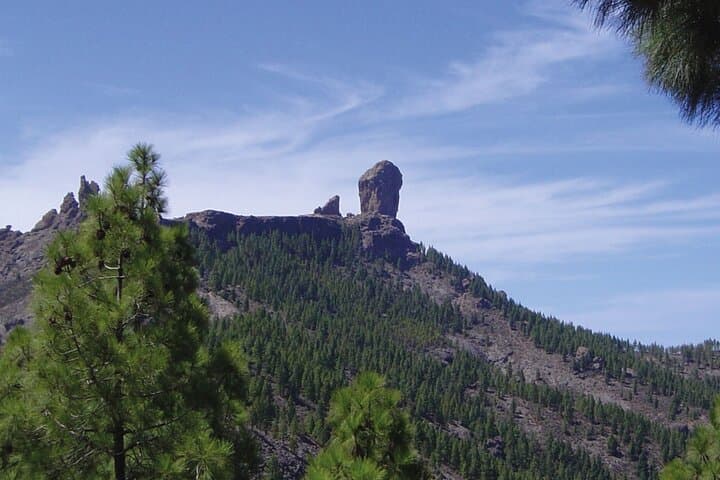
The bus eases out of the coastal sun and climbs into a different Gran Canaria — one of wind-polished rock and villages balanced on volcanic ridges. By mid-morning the group spills from the coach onto a plateau where Roque Nublo towers: a weathered monolith that seems to have been wedged into the sky and left to stare at the Atlantic.
Verified experiences and guided adventures in the surrounding area.
Operated by VIMOTIONS · Tejeda, Canary Islands
The bus eases out of the coastal sun and climbs into a different Gran Canaria — one of wind-polished rock and villages balanced on volcanic ridges. By mid-morning the group spills from the coach onto a plateau where Roque Nublo towers: a weathered monolith that seems to have been wedged into the sky and left to stare at the Atlantic.
This full-day Grand Tour threads together Arucas’ ornate church and flowered plazas, the shrine of Virgen del Pino, and the highlands that form the island’s backbone. Geologically the route is a lesson in fire and erosion: basalt flows and tuff beds carved by millennia of wind and rain create serrated ridgelines, steep barrancos (ravines) and the iconic freestanding Roque Nublo — a legacy of a volcanic plug spared by the slow work of erosion.
Culturally the tour touches villages where Canarian identity is still audible: locals speaking with a distinctive accent, stone houses with wooden balconies, and small markets selling almond sweets and mojo sauces. Guides explain the island’s pre-Hispanic past; the native Canarii (often referred to as Guanches) lived here before Castilian settlement, leaving archaeological traces and place-names that dot the itinerary.
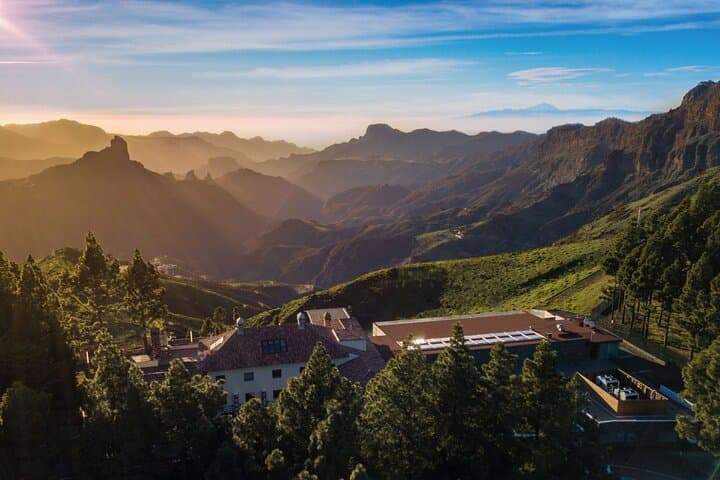
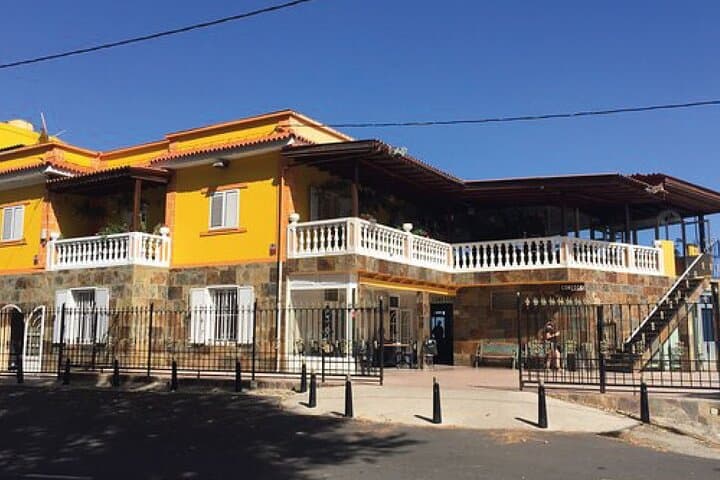
Practically, the day is paced for accessibility. Total outing time is about eight hours with door-to-door pickup for southern hotels between roughly 08:20–09:20. The group visits multiple stops with short walks; the Roque Nublo approach is the most active section — roughly 3 km round-trip on stony paths with about 120–200 m of elevation gain, depending on the parking point. Terrain is exposed and uneven; good footwear and sun protection make the difference. Lunch is included at Restaurante Balcón de Zamora, a mountain spot serving hearty local dishes and views that occasionally drop into a sea of clouds.
The tour is guide-led, suitable for most fitness levels, and capped at about 40 travelers. Water and lunch are provided, and the itinerary includes stops for photography, brief village walks, and cultural context at each site. Because the island’s microclimates shift quickly, layers are practical: mornings can start cool in the interior and warm toward the coast.
For travelers wanting a concentrated introduction to Gran Canaria’s interior, this Grand Tour delivers landscape, culture and a manageable stretch of hiking without the logistics of self-driving. Arrive with a sense of curiosity, a pair of reliable shoes, and space on your phone for wide-angle shots — the rock that dominates the skyline seems to demand one.
moderate.
8 hours.
Suitable for most people who can walk 3 km on uneven ground and stand for short visits; minimal endurance required.
The tour lasts about eight hours; pickup for south coast hotels generally occurs between 08:20 and 09:20—confirm your exact pickup point at booking.
Lunch is included and typically features local dishes; inform the operator of allergies or special dietary needs when booking so they can accommodate.
The walk to the Roque Nublo viewpoint is approximately 3 km round-trip with around 120–200 m elevation gain on rocky paths—allow 45–90 minutes depending on pace.
Much of the day is bus-based and involves short walks, but the Roque Nublo approach is uneven and not suitable for wheelchairs or most strollers.
Bring a refillable water bottle, sun protection, a light jacket, and comfortable shoes; the tour provides bottled water and lunch.
Yes—infant seats are available and the tour is family-friendly, but consider the short hikes and uneven ground for young children.
The island’s interior preserves traces of pre-Hispanic life; place-names and archaeological sites reflect the island’s native Canarii communities and later Castilian influence.
Gran Canaria’s fragile soil and limited freshwater resources mean visitors should stick to marked paths, avoid single-use plastics, and respect local grazing areas.
VIMOTIONS operates guided outdoor trips and adventures with an emphasis on safety, stewardship, and memorable experiences.
The bus eases out of the coastal sun and climbs into a different Gran Canaria — one of wind-polished rock and villages balanced on volcanic ridges. By mid-morning the group spills from the coach onto a plateau where Roque Nublo towers: a weathered monolith that seems to have been wedged into the sky and left to stare at the Atlantic.
The bus eases out of the coastal sun and climbs into a different Gran Canaria — one of wind-polished rock and villages balanced on volcanic ridges. By mid-morning the group spills from the coach onto a plateau where Roque Nublo towers: a weathered monolith that seems to have been wedged into the sky and left to stare at the Atlantic.
This full-day Grand Tour threads together Arucas’ ornate church and flowered plazas, the shrine of Virgen del Pino, and the highlands that form the island’s backbone. Geologically the route is a lesson in fire and erosion: basalt flows and tuff beds carved by millennia of wind and rain create serrated ridgelines, steep barrancos (ravines) and the iconic freestanding Roque Nublo — a legacy of a volcanic plug spared by the slow work of erosion.
Culturally the tour touches villages where Canarian identity is still audible: locals speaking with a distinctive accent, stone houses with wooden balconies, and small markets selling almond sweets and mojo sauces. Guides explain the island’s pre-Hispanic past; the native Canarii (often referred to as Guanches) lived here before Castilian settlement, leaving archaeological traces and place-names that dot the itinerary.
Practically, the day is paced for accessibility. Total outing time is about eight hours with door-to-door pickup for southern hotels between roughly 08:20–09:20. The group visits multiple stops with short walks; the Roque Nublo approach is the most active section — roughly 3 km round-trip on stony paths with about 120–200 m of elevation gain, depending on the parking point. Terrain is exposed and uneven; good footwear and sun protection make the difference. Lunch is included at Restaurante Balcón de Zamora, a mountain spot serving hearty local dishes and views that occasionally drop into a sea of clouds.
The tour is guide-led, suitable for most fitness levels, and capped at about 40 travelers. Water and lunch are provided, and the itinerary includes stops for photography, brief village walks, and cultural context at each site. Because the island’s microclimates shift quickly, layers are practical: mornings can start cool in the interior and warm toward the coast.
For travelers wanting a concentrated introduction to Gran Canaria’s interior, this Grand Tour delivers landscape, culture and a manageable stretch of hiking without the logistics of self-driving. Arrive with a sense of curiosity, a pair of reliable shoes, and space on your phone for wide-angle shots — the rock that dominates the skyline seems to demand one.