THE ADVENTURE COLLECTIVE® · Independent discovery and booking for outdoor travel

Spend a full day driving through northern Gran Canaria to visit Arucas, Teror and an Aloe Vera plantation. This guided highlights tour mixes village stops, cultural history, and scenic viewpoints over 8–9 hours.
Spend a full day driving through northern Gran Canaria to visit Arucas, Teror and an Aloe Vera plantation. This guided highlights tour mixes village stops, cultural history, and scenic viewpoints over 8–9 hours.
You step off the minibus in Arucas and the town’s volcanic stone church commands the square, its dark facade warm under the Atlantic sun. Palms lean as if listening to the wind that cuts across northern Gran Canaria, and lanes of traditional wooden balconies lead you toward Teror’s basilica and the green folds of the island’s interior.
Verified experiences and guided adventures in the surrounding area.
Operated by LCT Gran Canaria · Arucas, Las Palmas (province)
You step off the minibus in Arucas and the town’s volcanic stone church commands the square, its dark facade warm under the Atlantic sun. Palms lean as if listening to the wind that cuts across northern Gran Canaria, and lanes of traditional wooden balconies lead you toward Teror’s basilica and the green folds of the island’s interior.
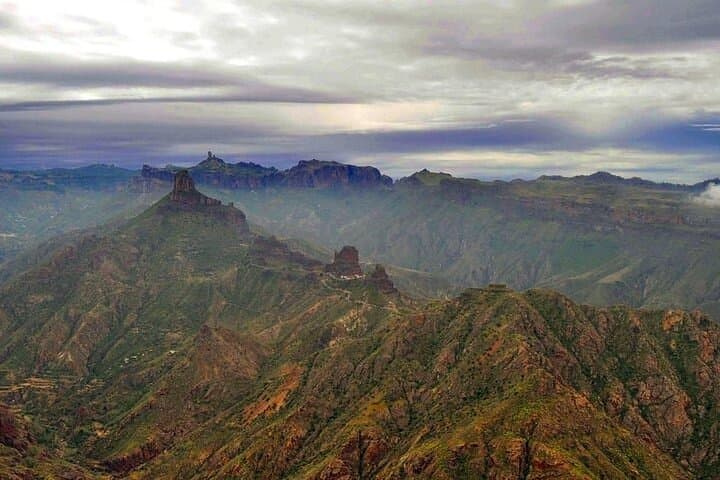
Geology here is blunt and direct: volcanic ridges carved into deep ravines, pumice-rich soils that make pockets of lush palms and terraced farms possible. Human history threads through that landscape — Arucas’s rum and stonework, Teror’s pilgrimage to the Virgen del Pino, and smallholder agriculture that shaped local customs. The Aloe Vera plantation is a modern echo: cultivated plots where the plant’s medicinal uses meet export economics.
Expect a paced, full-day loop: short guided walks through village centers, 40–60 minute stops for cafés and photos, and an interpretive visit at an aloe farm. The guide punctuates sights with context — architecture, religious traditions, and how water scarcity has shaped farming here. Bring a camera and a layered jacket; coastal mornings can be mild, midday inland heat can be strong, and higher viewpoints breeze-cool your lunch break.
Practicalities: the tour runs roughly 8–9 hours with pickup from tourist zones, light walking on paved streets and short unpaved sections, and optional lunch at a local restaurant. Hydrate, wear sturdy shoes for cobbles, and build a little flexibility into your schedule for impromptu viewpoints — the island has a way of offering one more look before you return to the coast.
easy.
8–9 hours.
Suitable for most fitness levels; able to walk short distances and manage a few steps and cobbles.
The tour runs approximately 8–9 hours with multiple short stops and a longer stop for lunch (not included).
Yes — pickup and drop-off are offered from main tourist areas; you’ll be asked for your accommodation to arrange the nearest pick-up point.
The tour is labeled easy and suitable for most fitness levels, but there are cobbled streets and steps; those with limited mobility should contact the operator to confirm accessibility at specific stops.
The itinerary notes free time and visits but admissions are generally not included; the aloe farm visit is interpretive and often does not require a paid entrance.
Northern Gran Canaria towns grew around agriculture and religious pilgrimage; Teror’s basilica is a long-standing pilgrimage site and Arucas prospered from rum and sugarcane trade.
Water is a limited resource on the island — stick to marked paths and avoid disturbing cultivated plots; support local businesses to keep rural economies viable.
LCT Gran Canaria operates guided outdoor trips and adventures with an emphasis on safety, stewardship, and memorable experiences.
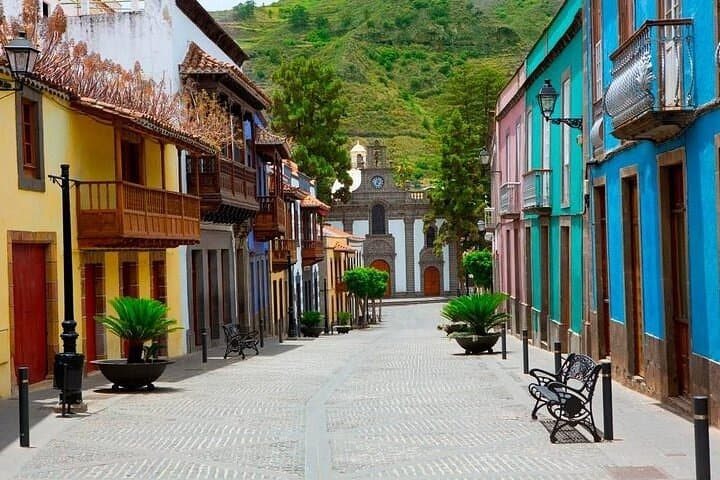
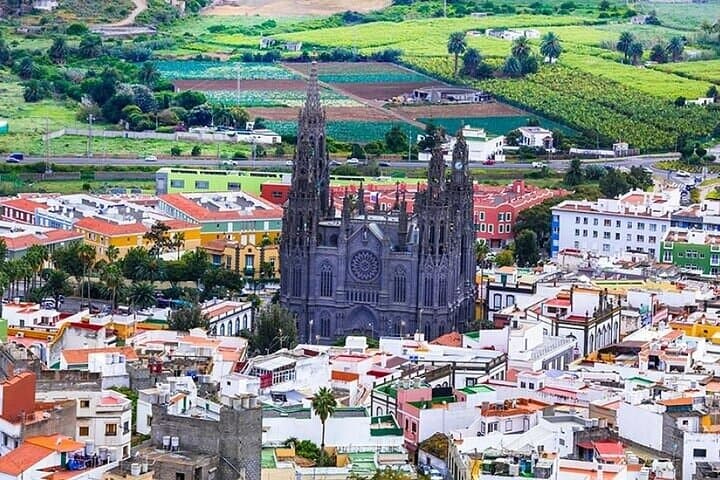
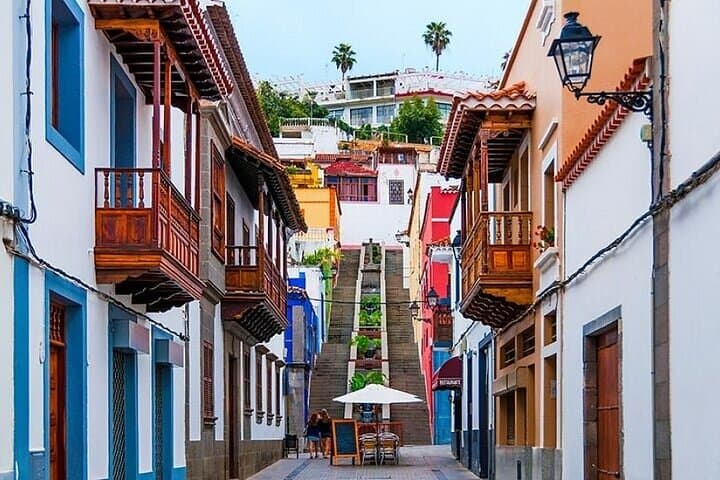
You step off the minibus in Arucas and the town’s volcanic stone church commands the square, its dark facade warm under the Atlantic sun. Palms lean as if listening to the wind that cuts across northern Gran Canaria, and lanes of traditional wooden balconies lead you toward Teror’s basilica and the green folds of the island’s interior.
You step off the minibus in Arucas and the town’s volcanic stone church commands the square, its dark facade warm under the Atlantic sun. Palms lean as if listening to the wind that cuts across northern Gran Canaria, and lanes of traditional wooden balconies lead you toward Teror’s basilica and the green folds of the island’s interior.
Geology here is blunt and direct: volcanic ridges carved into deep ravines, pumice-rich soils that make pockets of lush palms and terraced farms possible. Human history threads through that landscape — Arucas’s rum and stonework, Teror’s pilgrimage to the Virgen del Pino, and smallholder agriculture that shaped local customs. The Aloe Vera plantation is a modern echo: cultivated plots where the plant’s medicinal uses meet export economics.
Expect a paced, full-day loop: short guided walks through village centers, 40–60 minute stops for cafés and photos, and an interpretive visit at an aloe farm. The guide punctuates sights with context — architecture, religious traditions, and how water scarcity has shaped farming here. Bring a camera and a layered jacket; coastal mornings can be mild, midday inland heat can be strong, and higher viewpoints breeze-cool your lunch break.
Practicalities: the tour runs roughly 8–9 hours with pickup from tourist zones, light walking on paved streets and short unpaved sections, and optional lunch at a local restaurant. Hydrate, wear sturdy shoes for cobbles, and build a little flexibility into your schedule for impromptu viewpoints — the island has a way of offering one more look before you return to the coast.