THE ADVENTURE COLLECTIVE® · Independent discovery and booking for outdoor travel

Explore the Gower Peninsula on a full‑day small‑group tour from Cardiff visiting Mumbles, Three Cliffs Bay, the Gower Heritage Centre and iconic Rhossili/Worms Head. Expect coastal walks, tidal causeway cautions and a guided mill tour at a 12th‑century site.
Explore the Gower Peninsula on a full‑day small‑group tour from Cardiff visiting Mumbles, Three Cliffs Bay, the Gower Heritage Centre and iconic Rhossili/Worms Head. Expect coastal walks, tidal causeway cautions and a guided mill tour at a 12th‑century site.
You step out of the electric minivan and the Atlantic immediately presses its presence into the air — briny, sharp and endless. The Mumbles pier curls like an old promenade, fishing boats bobbing and gulls insisting on an audience. From here the tour threads west along lanes that rise and fall like the spine of the peninsula, each stop revealing a different face of Gower: sheltered coves, cliff-top ruins, and a tidal causeway that is part road, part dare.
Verified experiences and guided adventures in the surrounding area.
Operated by Wales Outdoors - Cardiff · Cardiff, Wales
You step out of the electric minivan and the Atlantic immediately presses its presence into the air — briny, sharp and endless. The Mumbles pier curls like an old promenade, fishing boats bobbing and gulls insisting on an audience. From here the tour threads west along lanes that rise and fall like the spine of the peninsula, each stop revealing a different face of Gower: sheltered coves, cliff-top ruins, and a tidal causeway that is part road, part dare.
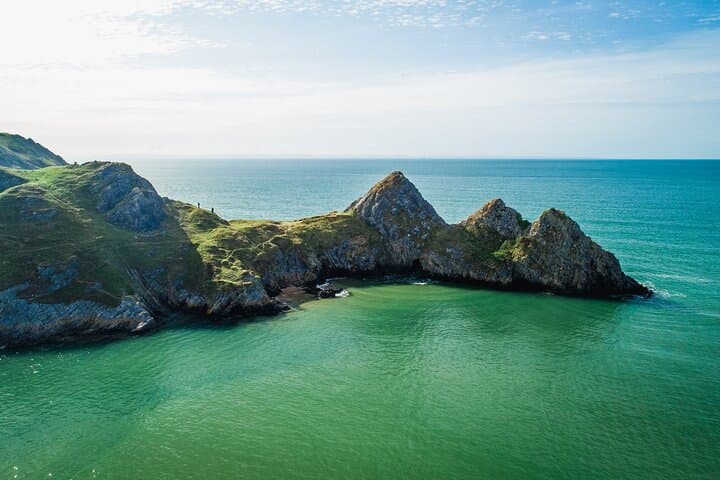
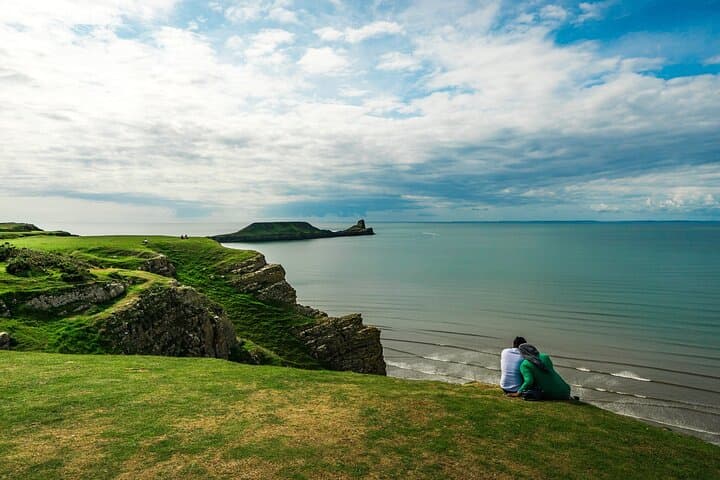
Gower earned the UK’s first Area of Outstanding Natural Beauty status in 1956; its landscape is limestone ridges, raised beaches, and moorland plateaus carved by millennia of sea and glacial action. Three Cliffs Bay showcases the interplay of sandstone cliffs and sandy shore, while Pennard Castle watches a windswept headland. Rhossili and Worms Head offer a long, three-mile sweep of sand and a tidal causeway that must be respected — the sea here moves fast and the viewpoint café is a handy windbreak.
Culturally the peninsula is working farmland and small fishing villages; expect sheep, low stone walls, and echoes of medieval life at the Gower Heritage Centre’s 12th‑century mill.
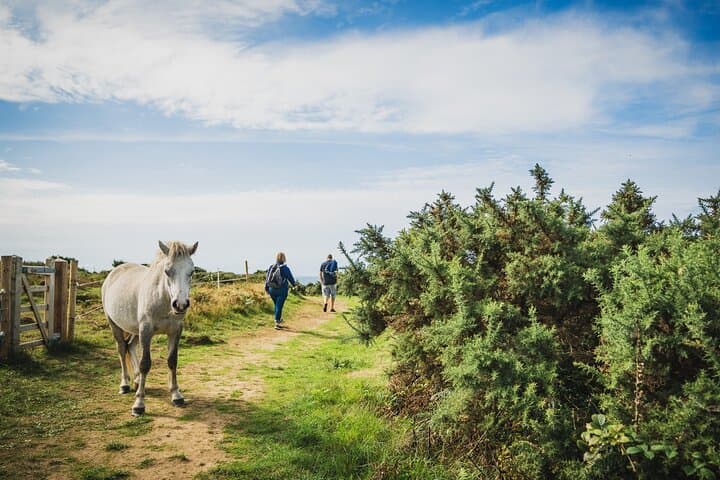
Practical guidance: the tour lasts about nine hours with a few short walks (roughly 3 km total across uneven beach and cliff paths). Bring layered, waterproof clothing, sturdy shoes, and check tide times if you plan to cross Worms Head. The guide is a qualified Mountain Leader and will manage route choices to suit the group, rain or shine.
moderate.
9 hours.
Suitable for people comfortable with a few short coastal walks (total ~3 km) over uneven terrain and steps; not suitable for those needing continuous wheelchair access.
Yes — Worms Head is reachable only at low tide via a causeway; the guide schedules visits during a safe tidal window and will prevent crossings if tides are unfavorable.
Lunch at the Gower Heritage Centre is included as part of the itinerary with a guided tour of the 12th‑century mill and exhibits.
The tour is suitable for most fitness levels but includes uneven ground and short walks; contact the operator with specific mobility needs before booking so they can advise.
Yes — there are public facilities at several stops, including Mumbles and the Gower Heritage Centre, but facilities are limited on beach stops so plan accordingly.
Gower was designated Britain’s first Area of Outstanding Natural Beauty in 1956; the peninsula also preserves medieval mills and prehistoric standing stones on Cefn Bryn.
The peninsula balances farming and tourism — stick to marked paths to protect dune vegetation and breeding birds, and follow local guidance on dog control during bird nesting season.
Wales Outdoors - Cardiff operates guided outdoor trips and adventures with an emphasis on safety, stewardship, and memorable experiences.
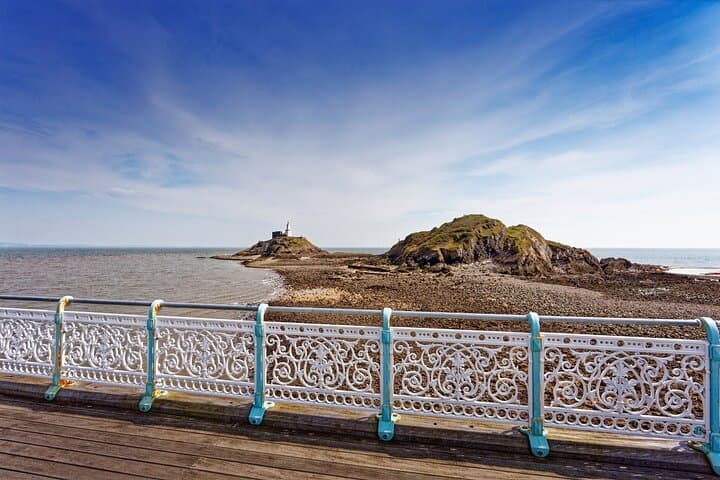
You step out of the electric minivan and the Atlantic immediately presses its presence into the air — briny, sharp and endless. The Mumbles pier curls like an old promenade, fishing boats bobbing and gulls insisting on an audience. From here the tour threads west along lanes that rise and fall like the spine of the peninsula, each stop revealing a different face of Gower: sheltered coves, cliff-top ruins, and a tidal causeway that is part road, part dare.
You step out of the electric minivan and the Atlantic immediately presses its presence into the air — briny, sharp and endless. The Mumbles pier curls like an old promenade, fishing boats bobbing and gulls insisting on an audience. From here the tour threads west along lanes that rise and fall like the spine of the peninsula, each stop revealing a different face of Gower: sheltered coves, cliff-top ruins, and a tidal causeway that is part road, part dare.
Gower earned the UK’s first Area of Outstanding Natural Beauty status in 1956; its landscape is limestone ridges, raised beaches, and moorland plateaus carved by millennia of sea and glacial action. Three Cliffs Bay showcases the interplay of sandstone cliffs and sandy shore, while Pennard Castle watches a windswept headland. Rhossili and Worms Head offer a long, three-mile sweep of sand and a tidal causeway that must be respected — the sea here moves fast and the viewpoint café is a handy windbreak.
Culturally the peninsula is working farmland and small fishing villages; expect sheep, low stone walls, and echoes of medieval life at the Gower Heritage Centre’s 12th‑century mill.
Practical guidance: the tour lasts about nine hours with a few short walks (roughly 3 km total across uneven beach and cliff paths). Bring layered, waterproof clothing, sturdy shoes, and check tide times if you plan to cross Worms Head. The guide is a qualified Mountain Leader and will manage route choices to suit the group, rain or shine.