THE ADVENTURE COLLECTIVE® · Independent discovery and booking for outdoor travel

Explore the Taj Mahal and Agra Fort with a government‑approved private guide on a focused 4–5 hour tour. Get historical context, practical logistics, and local insights to make the most of a single day in Agra.
Explore the Taj Mahal and Agra Fort with a government‑approved private guide on a focused 4–5 hour tour. Get historical context, practical logistics, and local insights to make the most of a single day in Agra.
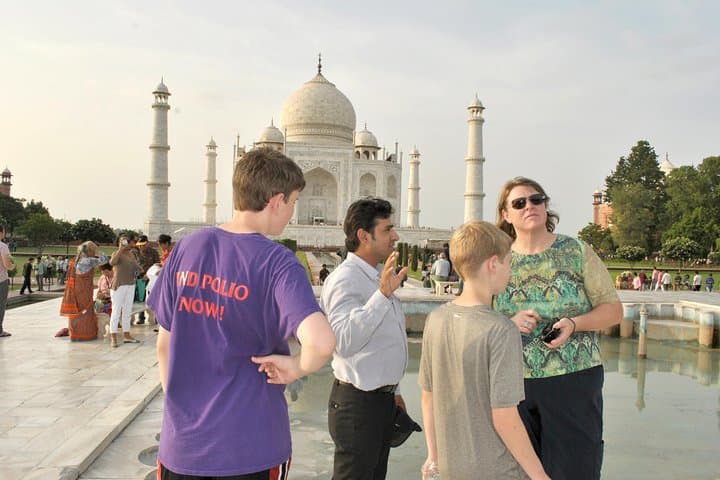
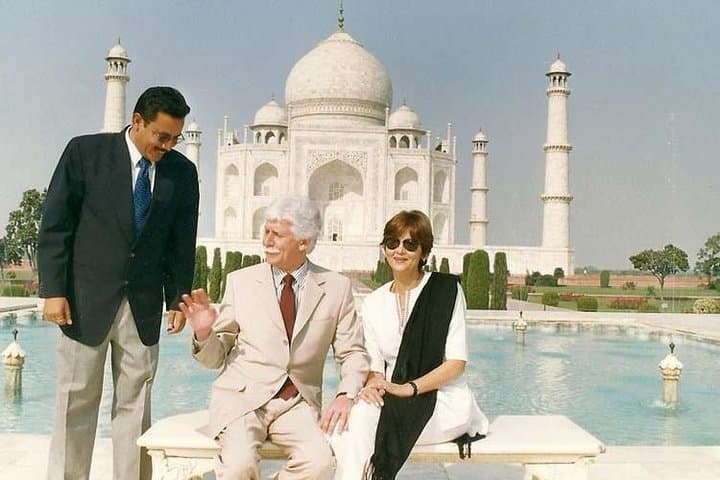
The sun warms the white marble as the first visitors step through the eastern gate; the Yamuna slips by quietly behind, urging the scene onward. A government‑approved guide meets you in Agra, leading a compact, private tour that places the Taj Mahal and Agra Fort into living context rather than a checklist.
Verified experiences and guided adventures in the surrounding area.
Operated by Taj Tour Guide · Agra, Uttar Pradesh
The sun warms the white marble as the first visitors step through the eastern gate; the Yamuna slips by quietly behind, urging the scene onward. A government‑approved guide meets you in Agra, leading a compact, private tour that places the Taj Mahal and Agra Fort into living context rather than a checklist.
Built in the 17th century by Emperor Shah Jahan, the Taj Mahal is both a mausoleum and an engineered masterpiece: inlaid marble, precise geometry, and a plinth that catches the morning light. Nearby, Agra Fort’s red sandstone walls tell the story of Mughal power—its halls, mosques and gardens reflect shifts in politics, craft and urban planning along the Ganges plain.
Beyond architecture, visitors notice practical details: the river’s presence shaped site selection and defensive design; local artisans still practice pietra dura stone inlay; and the economy of Agra revolves around heritage tourism, markets and crafts.
Practical guidance: the private tour runs about 4–5 hours and is suitable for most fitness levels—expect flat walking with steps inside monuments. Entrance tickets are purchased separately; the guide provides context, shoe covers and a golf cart from parking to the Taj complex. Bring sun protection, modest clothing for mosque areas, and small change for local vendors. Morning visits reduce heat and crowds; winter mornings offer clear light for photography. Respect signage, avoid touching marble surfaces, and plan for security queues at entry. This experience balances brisk historical narrative with manageable logistics—ideal for travelers who want authoritative local interpretation without the guessing game.
easy.
4–5 hours.
Suitable for most fitness levels; requires walking on paved paths and negotiating steps inside monuments.
No—entrance tickets for the Taj Mahal and Agra Fort are not included in the tour price and should be purchased separately prior to arrival.
Guides are government‑approved and available in major languages; specify your preferred language when booking to confirm availability.
The tour notes wheelchair accessibility for many areas and transportation; expect some uneven surfaces and limited access to certain sections inside monuments.
Full refunds are available if you cancel at least 24 hours before the scheduled departure time.
The Taj Mahal was built by Shah Jahan in memory of Mumtaz Mahal in the mid‑17th century; Agra Fort preceded it as a Mughal political center constructed mainly of red sandstone.
Visitor pressure has required protective measures—shoe covers and restricted zones help reduce abrasion on marble; support local guides and established entry systems to minimize impact.
Taj Tour Guide operates guided outdoor trips and adventures with an emphasis on safety, stewardship, and memorable experiences.
The sun warms the white marble as the first visitors step through the eastern gate; the Yamuna slips by quietly behind, urging the scene onward. A government‑approved guide meets you in Agra, leading a compact, private tour that places the Taj Mahal and Agra Fort into living context rather than a checklist.
The sun warms the white marble as the first visitors step through the eastern gate; the Yamuna slips by quietly behind, urging the scene onward. A government‑approved guide meets you in Agra, leading a compact, private tour that places the Taj Mahal and Agra Fort into living context rather than a checklist.
Built in the 17th century by Emperor Shah Jahan, the Taj Mahal is both a mausoleum and an engineered masterpiece: inlaid marble, precise geometry, and a plinth that catches the morning light. Nearby, Agra Fort’s red sandstone walls tell the story of Mughal power—its halls, mosques and gardens reflect shifts in politics, craft and urban planning along the Ganges plain.
Beyond architecture, visitors notice practical details: the river’s presence shaped site selection and defensive design; local artisans still practice pietra dura stone inlay; and the economy of Agra revolves around heritage tourism, markets and crafts.
Practical guidance: the private tour runs about 4–5 hours and is suitable for most fitness levels—expect flat walking with steps inside monuments. Entrance tickets are purchased separately; the guide provides context, shoe covers and a golf cart from parking to the Taj complex. Bring sun protection, modest clothing for mosque areas, and small change for local vendors. Morning visits reduce heat and crowds; winter mornings offer clear light for photography. Respect signage, avoid touching marble surfaces, and plan for security queues at entry. This experience balances brisk historical narrative with manageable logistics—ideal for travelers who want authoritative local interpretation without the guessing game.