THE ADVENTURE COLLECTIVE® · Independent discovery and booking for outdoor travel

A compact, high-altitude trek to a sacred glacial lake in Langtang National Park. Over five days you’ll move from forested trails to alpine meadows and a 4,200 m lakeshore with sweeping views of the Langtang range.
A compact, high-altitude trek to a sacred glacial lake in Langtang National Park. Over five days you’ll move from forested trails to alpine meadows and a 4,200 m lakeshore with sweeping views of the Langtang range.
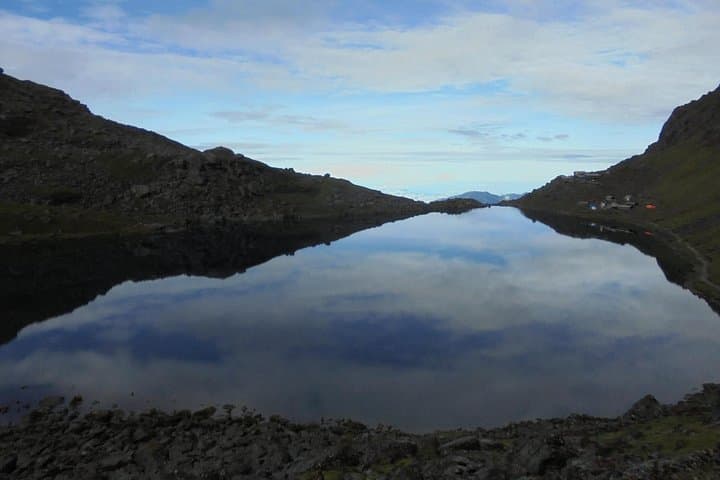
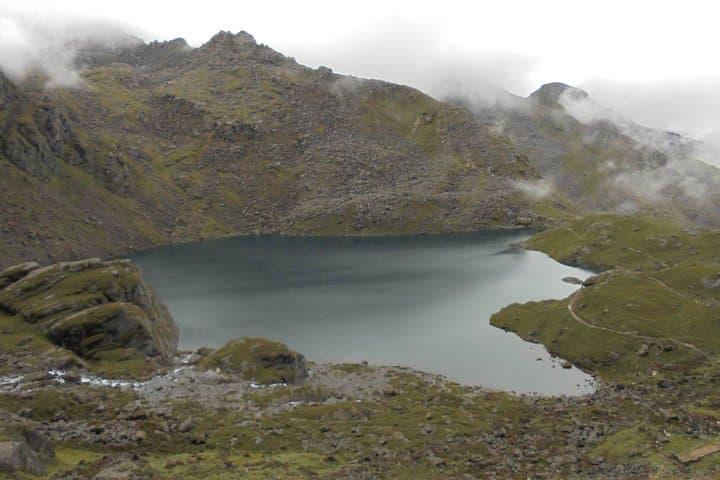
Thin air and prayer flags: the path to Gosainkunda opens through rhododendron and fir, climbing into an alpine bowl where a clear, sacred lake sits at 4,200 m. On a crisp morning the Langtang range cuts a clean horizon and the lake’s glass mirrors the snowy teeth above; wind threads between boulders and the smell of yak-scented smoke follows small tea houses you pass.
Verified experiences and guided adventures in the surrounding area.
Operated by Nepal Guide Sujan · Dhunche, Bagmati Province
Thin air and prayer flags: the path to Gosainkunda opens through rhododendron and fir, climbing into an alpine bowl where a clear, sacred lake sits at 4,200 m. On a crisp morning the Langtang range cuts a clean horizon and the lake’s glass mirrors the snowy teeth above; wind threads between boulders and the smell of yak-scented smoke follows small tea houses you pass.
Gosainkunda is both geological story and living culture. These are glacially carved basins within Langtang National Park, reshaped by moraine and seasonal melt. For centuries the lake has been a pilgrimage site in Hindu and Buddhist calendars — locals and pilgrims still perform rituals at the shore during Janai Purnima. Tamang villages and small gompas dot the lower slopes, offering a glimpse of local mountain life.
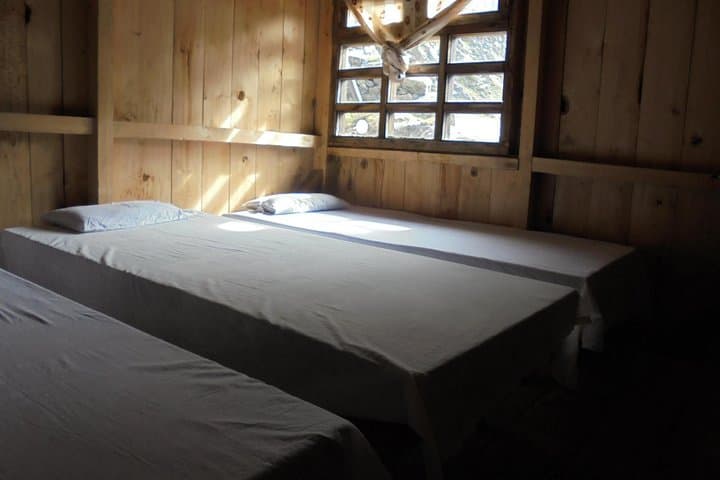
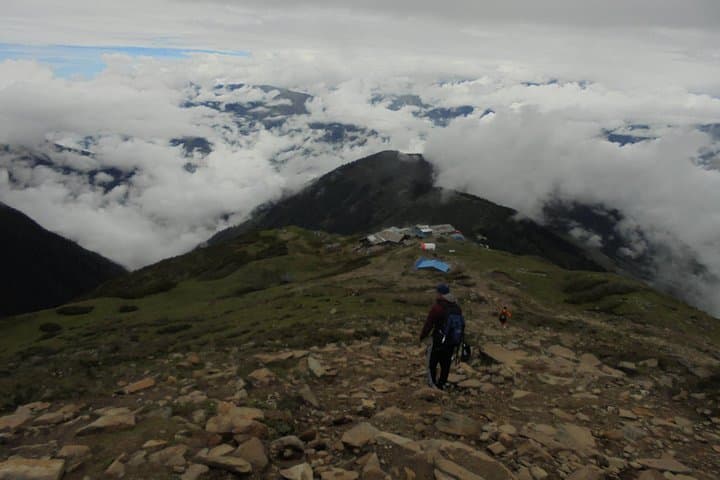
Practical guide: the standard itinerary moves you by local bus from Kathmandu to Dhunche (about 7–8 hours), then up through forests and alpine meadows in three days to the lake, returning on day five. Expect steep switchbacks, rocky trail, and a cumulative altitude gain of roughly 2,000–2,300 m from the roadhead; tea-house accommodation is common, so you can travel light. Weather changes fast—carry layers, sun protection, and essentials for altitude: hydrate, ascend slowly, and monitor symptoms of AMS. Permits and national park fees are required; many operators include them.
Best seasons are spring and autumn for visibility and rhododendron blooms; winter brings snow and a more technical route. Plan for variable footing, basic but sturdy lodgings, and the steady, rewarding pace of a classic short Himalayan trek.
challenging.
5 days.
Moderately fit: regular cardio and some uphill hiking experience will make ascents and thin air manageable
A guide is highly recommended for navigation, local knowledge, and altitude management; porters are useful if you prefer lighter loads, though tea-house stays reduce gear needs.
Spring (March–May) and autumn (September–November) offer the best visibility and stable weather; monsoon months can be muddy and winter brings snow and colder conditions.
Physically demanding mainly due to altitude and sustained gains; daily stages are manageable with proper pacing, hydration, and at least moderate fitness.
Yes—Langtang National Park fees and TIMS/trekking permits are required and are often included by organized trips; retain receipts for checkpoints.
Gosainkunda is a sacred site in Hindu and Buddhist lore tied to Shiva and local pilgrimage traditions; the route also crosses traditional Tamang settlements whose culture predates modern trekking.
The trek runs inside Langtang National Park—follow leave-no-trace practices, use established tea houses, and respect local water and fire-use restrictions to limit impact.
Nepal Guide Sujan operates guided outdoor trips and adventures with an emphasis on safety, stewardship, and memorable experiences.
Thin air and prayer flags: the path to Gosainkunda opens through rhododendron and fir, climbing into an alpine bowl where a clear, sacred lake sits at 4,200 m. On a crisp morning the Langtang range cuts a clean horizon and the lake’s glass mirrors the snowy teeth above; wind threads between boulders and the smell of yak-scented smoke follows small tea houses you pass.
Thin air and prayer flags: the path to Gosainkunda opens through rhododendron and fir, climbing into an alpine bowl where a clear, sacred lake sits at 4,200 m. On a crisp morning the Langtang range cuts a clean horizon and the lake’s glass mirrors the snowy teeth above; wind threads between boulders and the smell of yak-scented smoke follows small tea houses you pass.
Gosainkunda is both geological story and living culture. These are glacially carved basins within Langtang National Park, reshaped by moraine and seasonal melt. For centuries the lake has been a pilgrimage site in Hindu and Buddhist calendars — locals and pilgrims still perform rituals at the shore during Janai Purnima. Tamang villages and small gompas dot the lower slopes, offering a glimpse of local mountain life.
Practical guide: the standard itinerary moves you by local bus from Kathmandu to Dhunche (about 7–8 hours), then up through forests and alpine meadows in three days to the lake, returning on day five. Expect steep switchbacks, rocky trail, and a cumulative altitude gain of roughly 2,000–2,300 m from the roadhead; tea-house accommodation is common, so you can travel light. Weather changes fast—carry layers, sun protection, and essentials for altitude: hydrate, ascend slowly, and monitor symptoms of AMS. Permits and national park fees are required; many operators include them.
Best seasons are spring and autumn for visibility and rhododendron blooms; winter brings snow and a more technical route. Plan for variable footing, basic but sturdy lodgings, and the steady, rewarding pace of a classic short Himalayan trek.