THE ADVENTURE COLLECTIVE® · Independent discovery and booking for outdoor travel

Follow pilgrimage trails from Dhunche to the sacred Gosaikunda lakes and over Lauribina Pass in this 9-day trek. Expect high-altitude lakes, panoramic Himalayan views, and village culture, balanced with practical guidance on acclimatization and gear.
Follow pilgrimage trails from Dhunche to the sacred Gosaikunda lakes and over Lauribina Pass in this 9-day trek. Expect high-altitude lakes, panoramic Himalayan views, and village culture, balanced with practical guidance on acclimatization and gear.
A thin morning light slides across rime-touched grasses as you climb from Lauribina’s scree toward the pass; wind chews at your hood and the ring of prayer flags flutters like a small crowd cheering each step. At 4,610 m the pass opens on a sea of peaks—Langtang, Ganesh, and the ridges that carve the skyline—while the sacred bowls of Gosaikunda glint below at 4,380 m.
Verified experiences and guided adventures in the surrounding area.
Operated by Oriental Journeys · Gosaikunda, Bagmati Province
A thin morning light slides across rime-touched grasses as you climb from Lauribina’s scree toward the pass; wind chews at your hood and the ring of prayer flags flutters like a small crowd cheering each step. At 4,610 m the pass opens on a sea of peaks—Langtang, Ganesh, and the ridges that carve the skyline—while the sacred bowls of Gosaikunda glint below at 4,380 m.
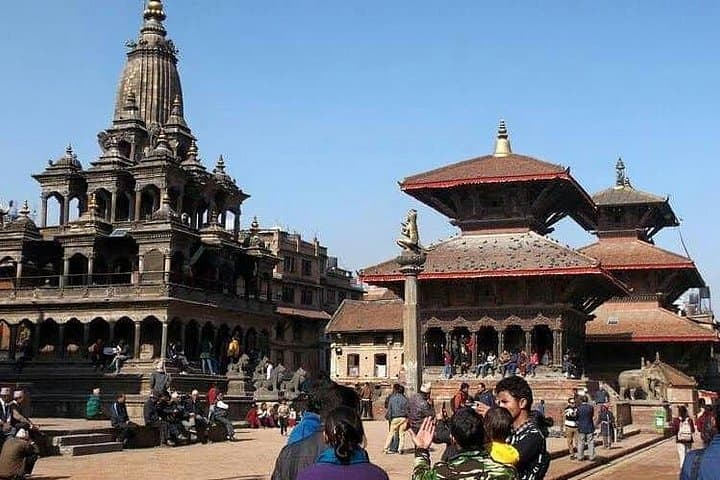
This route follows ancient pilgrimage tracks: Tamang and Sherpa communities have taken these trails for generations, stopping at monasteries like Sing Gompa and tending highland pastures and cheese houses in Chandanbari. Geologically, you move from lower oak-and-bamboo foothills through rhododendron belts into glacially-scoured basins and moraine fields; seasonal snowfall can rearrange the trail and reveal carved bedrock and talus slopes.
Expect eight days of walking (daily stages of 4–8 hours), steep ascents to high passes, and long downhill stretches to densely forested valleys. Acclimatization is central: pace is deliberate, hydration frequent, and rest nights in lodges are built into the itinerary to reduce altitude strain. Footwear with solid ankle support, layered insulation, and trekking poles for steep sections are practical musts. Weather changes quickly—clear mornings can become wind-driven snow in hours—so plan for sun, wind, and cold.
Practically: start in Kathmandu, allow at least two buffer days around the scheduled trek, carry cash for remote lodges, and travel with a licensed guide familiar with local permits and rescue protocols. The trail rewards patience with alpine lakes, monastery chants, and close encounters with highland life.
challenging.
8–9 days (daily 4–8 hours walking).
Good aerobic fitness and prior multi-day trekking experience; able to handle sustained uphill and high-altitude conditions.
Late spring (May–June) and autumn (September–November) offer the most stable weather and clear views; August sees the Janai Purnima festival at Gosaikunda but can be wetter.
Yes—trekking in the Langtang and Gosaikunda area requires TIMS and national park permits; guides typically handle permit acquisition before departure.
The Lauribina Pass day is the toughest: steep ascent to 4,610 m with exposure to wind and cold, followed by a long descent; plan for 7–8 hours and slow pacing for acclimatization.
Yes—the advertised itinerary uses local lodges/guesthouses each night; facilities are basic and vary by altitude so bring personal hygiene and small comforts.
Trails to Gosaikunda are longstanding pilgrimage routes for Hindu, Buddhist and Bonpo traditions; Janai Purnima pilgrimage still brings thousands to the lakes each year.
The area sits near Langtang National Park boundaries; visitors should pack out trash, respect grazing areas, and follow local rules to limit erosion and disturbance to fragile alpine wetlands.
Oriental Journeys operates guided outdoor trips and adventures with an emphasis on safety, stewardship, and memorable experiences.
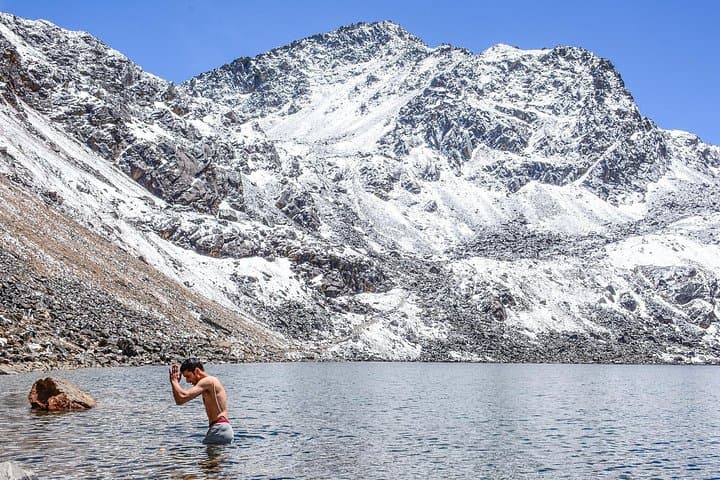
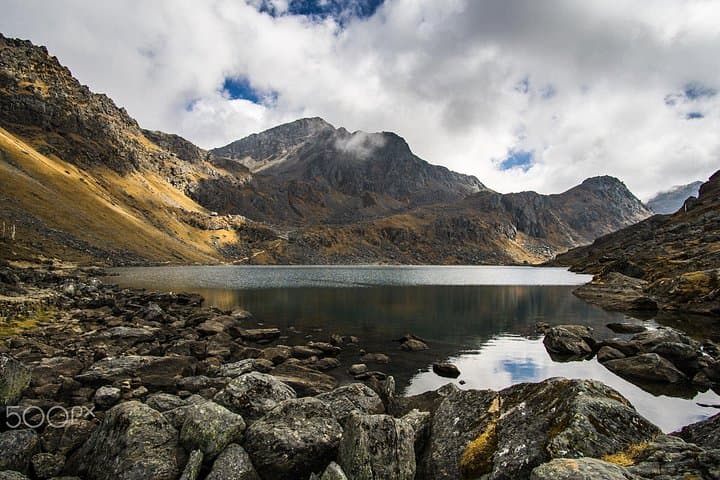
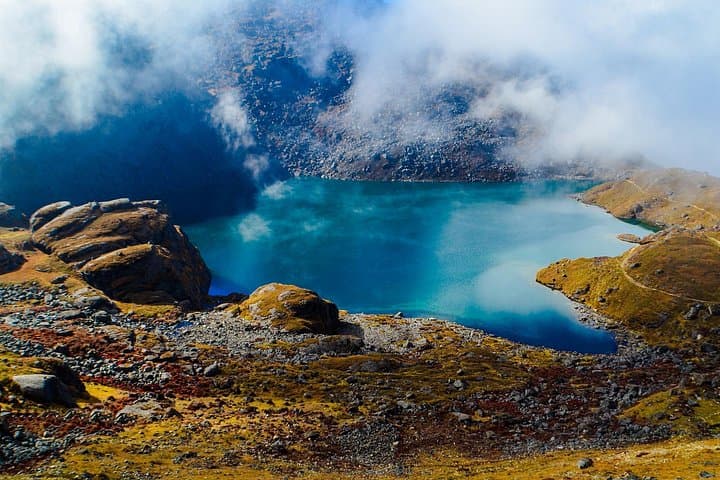
A thin morning light slides across rime-touched grasses as you climb from Lauribina’s scree toward the pass; wind chews at your hood and the ring of prayer flags flutters like a small crowd cheering each step. At 4,610 m the pass opens on a sea of peaks—Langtang, Ganesh, and the ridges that carve the skyline—while the sacred bowls of Gosaikunda glint below at 4,380 m.
A thin morning light slides across rime-touched grasses as you climb from Lauribina’s scree toward the pass; wind chews at your hood and the ring of prayer flags flutters like a small crowd cheering each step. At 4,610 m the pass opens on a sea of peaks—Langtang, Ganesh, and the ridges that carve the skyline—while the sacred bowls of Gosaikunda glint below at 4,380 m.
This route follows ancient pilgrimage tracks: Tamang and Sherpa communities have taken these trails for generations, stopping at monasteries like Sing Gompa and tending highland pastures and cheese houses in Chandanbari. Geologically, you move from lower oak-and-bamboo foothills through rhododendron belts into glacially-scoured basins and moraine fields; seasonal snowfall can rearrange the trail and reveal carved bedrock and talus slopes.
Expect eight days of walking (daily stages of 4–8 hours), steep ascents to high passes, and long downhill stretches to densely forested valleys. Acclimatization is central: pace is deliberate, hydration frequent, and rest nights in lodges are built into the itinerary to reduce altitude strain. Footwear with solid ankle support, layered insulation, and trekking poles for steep sections are practical musts. Weather changes quickly—clear mornings can become wind-driven snow in hours—so plan for sun, wind, and cold.
Practically: start in Kathmandu, allow at least two buffer days around the scheduled trek, carry cash for remote lodges, and travel with a licensed guide familiar with local permits and rescue protocols. The trail rewards patience with alpine lakes, monastery chants, and close encounters with highland life.