THE ADVENTURE COLLECTIVE® · Independent discovery and booking for outdoor travel

A private 9‑day trek from Kathmandu to the sacred high‑altitude Gosaikunda Lake, passing through Langtang National Park, rhododendron forests and high alpine basins. Expect 4–6 hour walking days, tea‑house stays, and dramatic mountain views with altitude as the main challenge.
A private 9‑day trek from Kathmandu to the sacred high‑altitude Gosaikunda Lake, passing through Langtang National Park, rhododendron forests and high alpine basins. Expect 4–6 hour walking days, tea‑house stays, and dramatic mountain views with altitude as the main challenge.
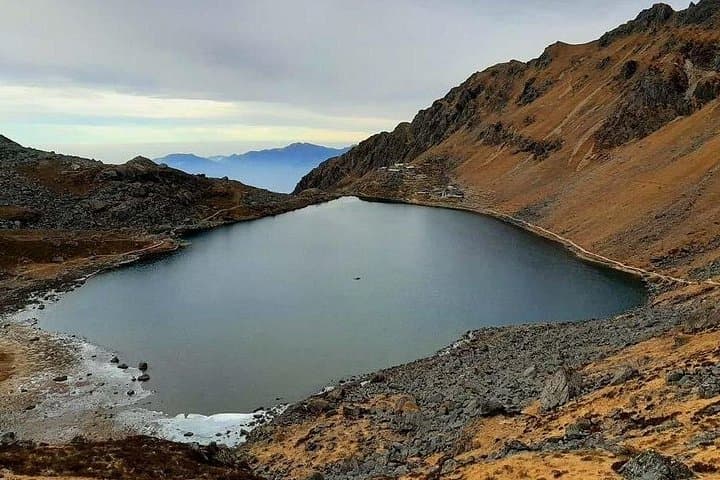
You crest a rib of moraine and the lake appears like a sheet of hammered silver, prayer flags flapping as wind urges you forward. Morning sun strips frost from the grasses; the air is thin and clear. This private, 9-day trek moves from Kathmandu’s bustle to Dhunche, then through bamboo and rhododendron forests up toward the high‑alpine basin of Gosaikunda (≈4,360 m).
Verified experiences and guided adventures in the surrounding area.
Operated by Happyland Treks · Kathmandu, Bagmati Province
You crest a rib of moraine and the lake appears like a sheet of hammered silver, prayer flags flapping as wind urges you forward. Morning sun strips frost from the grasses; the air is thin and clear. This private, 9-day trek moves from Kathmandu’s bustle to Dhunche, then through bamboo and rhododendron forests up toward the high‑alpine basin of Gosaikunda (≈4,360 m).
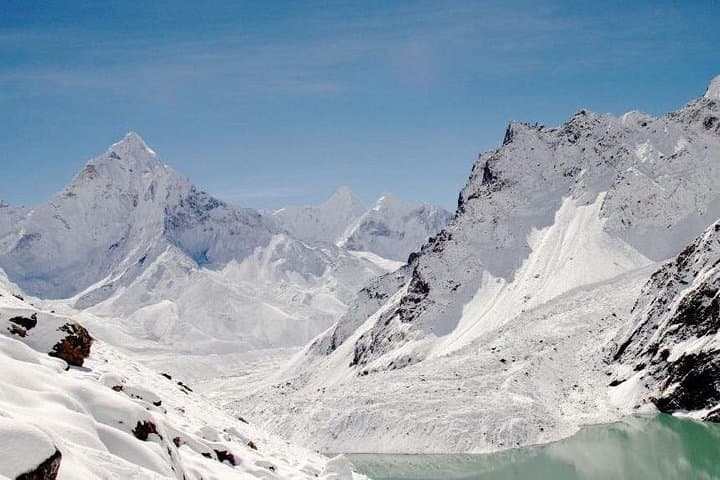
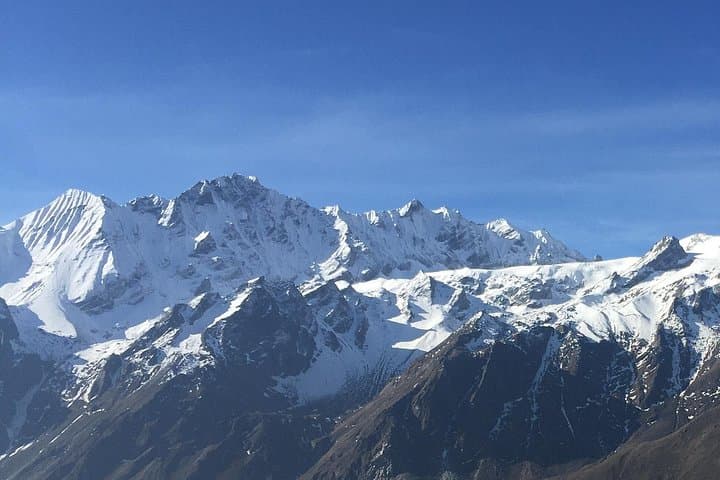
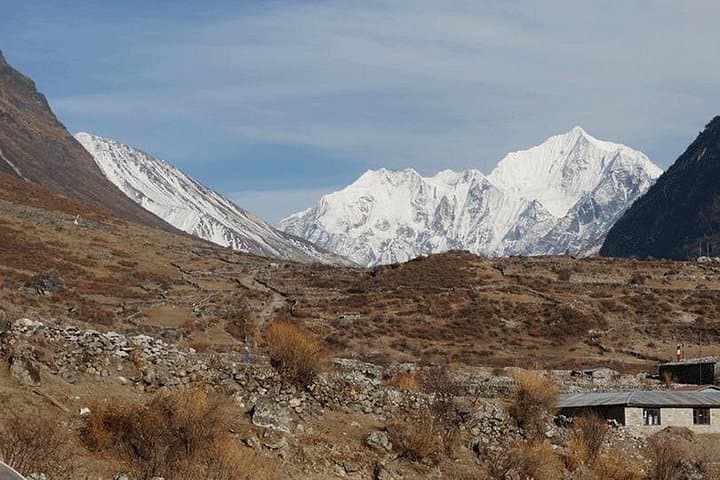
Gosaikunda is both a geological cirque and a cultural waypoint — a glacially carved lake revered in Hindu and Buddhist pilgrimage lore. The route traverses Langtang National Park, crossing mixed forest, waterfalls, stone steps and loose scree. Villages along the way reflect Tamang and local hill cultures: mani walls, prayer wheels and simple tea‑house hospitality. Mountain views often include the Langtang range and distant Ganesh Himal when skies are clear.
Expect consecutive days of 4–6 hours on trail once out of Dhunche, with elevation gains concentrated on the approach to Sing Gompa and the final climb to the lake. Accommodation is tea‑house style; permits (TIMS and park entry) and basic porter service are usually provided. Weather can switch fast — sun, wind and sudden snow are possible above 3,000 m.
Practical essentials: allow time to acclimatize, pack layered insulation, and use good trekking boots with ankle support. Carry water treatment and a sun‑rated hat; plan for slow, steady pacing on ascents. Spring and autumn give the most stable conditions for visibility and flowers, while winter brings hard cold and summer monsoon brings heavier cloud and trail slipperiness.
challenging.
8–9 days.
Good cardiovascular fitness and previous multi‑day hiking experience recommended; be comfortable walking 4–6 hours on uneven high‑altitude trails.
The trek is challenging mainly due to altitude rather than technical terrain; expect steady climbs to 4,360 m with daily walks of 4–6 hours once trekking begins.
Yes — a TIMS (Trekkers’ Information Management System) card and Langtang National Park entry permit are required and often arranged by operators.
Accommodation is basic tea‑house style with shared rooms and simple meals; two nights in Kathmandu in a 3‑star hotel are typically included.
Spring (March–May) and autumn (September–November) offer the most stable weather and best visibility; monsoon brings heavy rain and winter brings deep cold and snow.
Gosaikunda is a traditional pilgrimage site referenced in ancient Hindu texts and maintained by local Tamang and Nepali communities; the area also falls within the conservation boundary of Langtang National Park.
Visitors should stay on established trails, avoid single‑use plastics, and follow tea‑house waste guidance; park fees support local conservation and community livelihoods.
Happyland Treks operates guided outdoor trips and adventures with an emphasis on safety, stewardship, and memorable experiences.
You crest a rib of moraine and the lake appears like a sheet of hammered silver, prayer flags flapping as wind urges you forward. Morning sun strips frost from the grasses; the air is thin and clear. This private, 9-day trek moves from Kathmandu’s bustle to Dhunche, then through bamboo and rhododendron forests up toward the high‑alpine basin of Gosaikunda (≈4,360 m).
You crest a rib of moraine and the lake appears like a sheet of hammered silver, prayer flags flapping as wind urges you forward. Morning sun strips frost from the grasses; the air is thin and clear. This private, 9-day trek moves from Kathmandu’s bustle to Dhunche, then through bamboo and rhododendron forests up toward the high‑alpine basin of Gosaikunda (≈4,360 m).
Gosaikunda is both a geological cirque and a cultural waypoint — a glacially carved lake revered in Hindu and Buddhist pilgrimage lore. The route traverses Langtang National Park, crossing mixed forest, waterfalls, stone steps and loose scree. Villages along the way reflect Tamang and local hill cultures: mani walls, prayer wheels and simple tea‑house hospitality. Mountain views often include the Langtang range and distant Ganesh Himal when skies are clear.
Expect consecutive days of 4–6 hours on trail once out of Dhunche, with elevation gains concentrated on the approach to Sing Gompa and the final climb to the lake. Accommodation is tea‑house style; permits (TIMS and park entry) and basic porter service are usually provided. Weather can switch fast — sun, wind and sudden snow are possible above 3,000 m.
Practical essentials: allow time to acclimatize, pack layered insulation, and use good trekking boots with ankle support. Carry water treatment and a sun‑rated hat; plan for slow, steady pacing on ascents. Spring and autumn give the most stable conditions for visibility and flowers, while winter brings hard cold and summer monsoon brings heavier cloud and trail slipperiness.