THE ADVENTURE COLLECTIVE® · Independent discovery and booking for outdoor travel

Walk into Su Gorroppu and feel limestone walls close around you—one of Italy’s deepest canyons forged by the Rio Flumineddu. This full-day guided hike blends rugged geology, rare wildlife, and practical trail challenges suited to moderately fit hikers.
Walk into Su Gorroppu and feel limestone walls close around you—one of Italy’s deepest canyons forged by the Rio Flumineddu. This full-day guided hike blends rugged geology, rare wildlife, and practical trail challenges suited to moderately fit hikers.
The trail opens with limestone cliffs folding up like pages of rock; sunlight slices into the gorge and the Rio Flumineddu dares you toward its cool pools. Walking into Su Gorroppu, you feel the walls tighten—vertical faces rise hundreds of meters above, and the air carries a mineral scent that marks karst and limestone.
Verified experiences and guided adventures in the surrounding area.
Operated by Go Comida - Experience Sardinia · Urzulei, Sardinia
The trail opens with limestone cliffs folding up like pages of rock; sunlight slices into the gorge and the Rio Flumineddu dares you toward its cool pools. Walking into Su Gorroppu, you feel the walls tighten—vertical faces rise hundreds of meters above, and the air carries a mineral scent that marks karst and limestone.
Geology here is the story of water and time: Flumineddu carved the canyon through soft limestone, exposing sheer faces up to 500 m. Historically, shepherds and isolated mountain communities used the surrounding plateaus for summer grazing; traces of dry stone walls and mountain paths still guide modern hikers. Ecologically the gorge shelters rare species, including Sardinia’s endemic brook salamander where residual pools and seepages persist.
Expect a full-day outing: mixed singletrack, rocky steps, and narrow slot sections that demand sure-footedness more than technical gear. The hike is best done with an experienced guide who knows seasonal river behavior—Flumineddu can disappear underground in dry months and reappear dramatically after rains, reshaping the route.
Practical notes: start early to avoid midday heat and to allow time for return transport; wear ankle-support boots and bring 2–3 liters of water and high-energy snacks. Trekking poles reduce knee strain on loose scree; a layered softshell handles wind that funnels through the walls. Respect closed paths and amphibian habitats—stay on durable surfaces and pack out any waste.
By the time you climb back to the olive-tree bench where the outing begins, the canyon has a way of keeping your pace slower and your attention sharper—this is a landscape that rewards patience and preparedness.
moderate.
7–8 hours.
Suitable for hikers with regular aerobic fitness able to handle multi-hour walks on uneven, rocky terrain and short scrambles.
Expect a 7–8 hour outing with several hours on rocky, uneven trail; it’s rated moderate and requires endurance and good footing.
Guides are strongly recommended for safety and local knowledge; access rules vary—use a certified regional guide for route and conservation guidance.
No—Flumineddu is seasonal: it may run underground in dry months and swell after rain; check conditions before traveling.
Watch for the Sardinian brook salamander near pools and sightings of mouflon and raptors on the cliffs; avoid disturbing habitats.
Su Gorroppu was carved by the Rio Flumineddu over millennia; the surrounding uplands have a long pastoral history tied to shepherding and seasonal grazing.
The gorge’s karst habitat is fragile and home to endemic species—stay on trails, avoid disturbing water pools, and pack out waste to reduce impact.
Go Comida - Experience Sardinia operates guided outdoor trips and adventures with an emphasis on safety, stewardship, and memorable experiences.
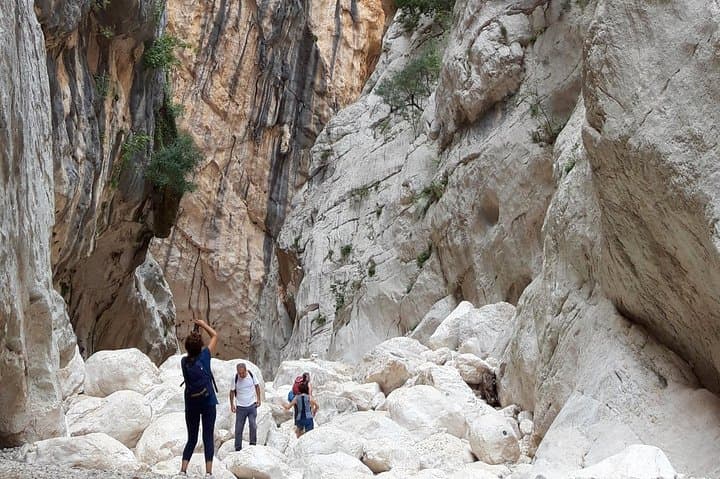
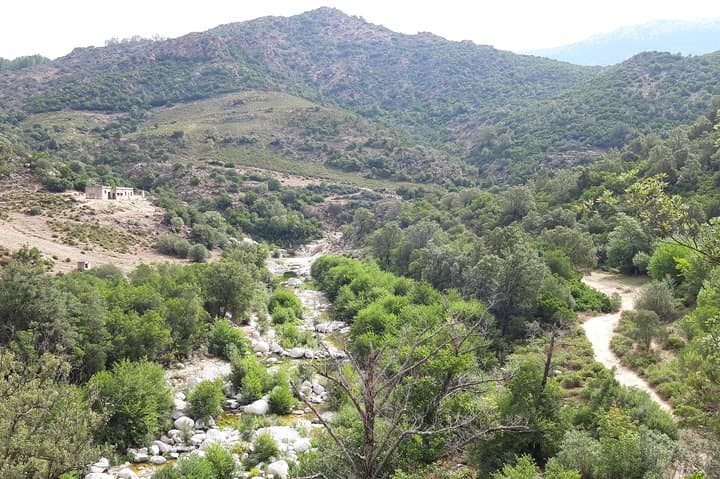
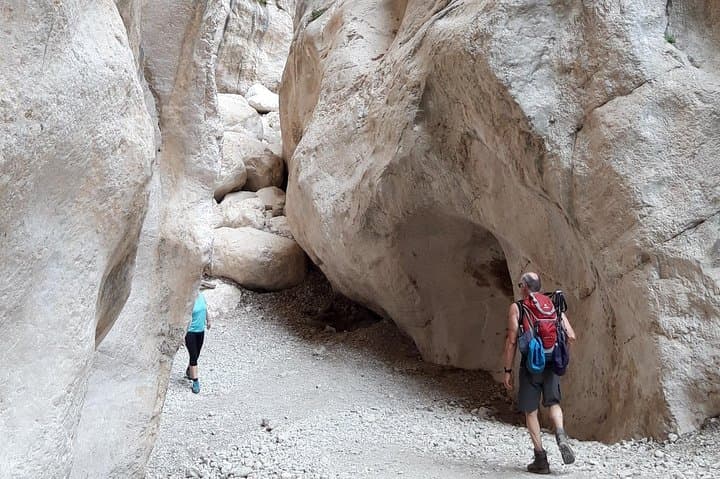
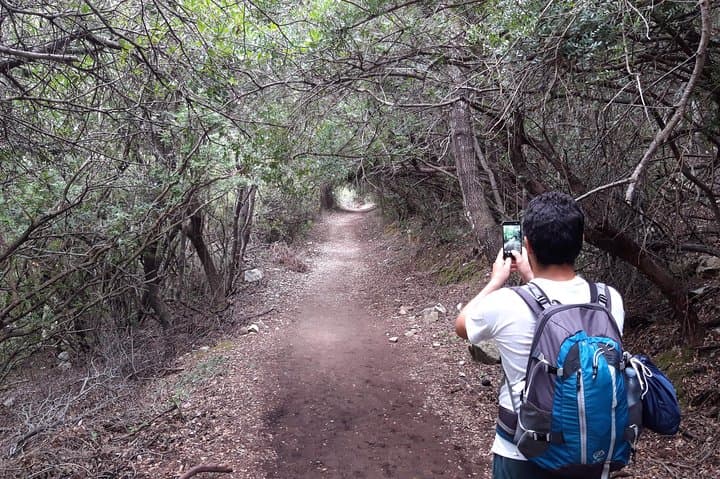
The trail opens with limestone cliffs folding up like pages of rock; sunlight slices into the gorge and the Rio Flumineddu dares you toward its cool pools. Walking into Su Gorroppu, you feel the walls tighten—vertical faces rise hundreds of meters above, and the air carries a mineral scent that marks karst and limestone.
The trail opens with limestone cliffs folding up like pages of rock; sunlight slices into the gorge and the Rio Flumineddu dares you toward its cool pools. Walking into Su Gorroppu, you feel the walls tighten—vertical faces rise hundreds of meters above, and the air carries a mineral scent that marks karst and limestone.
Geology here is the story of water and time: Flumineddu carved the canyon through soft limestone, exposing sheer faces up to 500 m. Historically, shepherds and isolated mountain communities used the surrounding plateaus for summer grazing; traces of dry stone walls and mountain paths still guide modern hikers. Ecologically the gorge shelters rare species, including Sardinia’s endemic brook salamander where residual pools and seepages persist.
Expect a full-day outing: mixed singletrack, rocky steps, and narrow slot sections that demand sure-footedness more than technical gear. The hike is best done with an experienced guide who knows seasonal river behavior—Flumineddu can disappear underground in dry months and reappear dramatically after rains, reshaping the route.
Practical notes: start early to avoid midday heat and to allow time for return transport; wear ankle-support boots and bring 2–3 liters of water and high-energy snacks. Trekking poles reduce knee strain on loose scree; a layered softshell handles wind that funnels through the walls. Respect closed paths and amphibian habitats—stay on durable surfaces and pack out any waste.
By the time you climb back to the olive-tree bench where the outing begins, the canyon has a way of keeping your pace slower and your attention sharper—this is a landscape that rewards patience and preparedness.