THE ADVENTURE COLLECTIVE® · Independent discovery and booking for outdoor travel

Step into Uganda’s Bwindi rainforest for a regulated, one-hour encounter with mountain gorillas. This practical guide covers what to expect on a Rushaga-based multi-day trek—logistics, terrain, and how to prepare.
Step into Uganda’s Bwindi rainforest for a regulated, one-hour encounter with mountain gorillas. This practical guide covers what to expect on a Rushaga-based multi-day trek—logistics, terrain, and how to prepare.
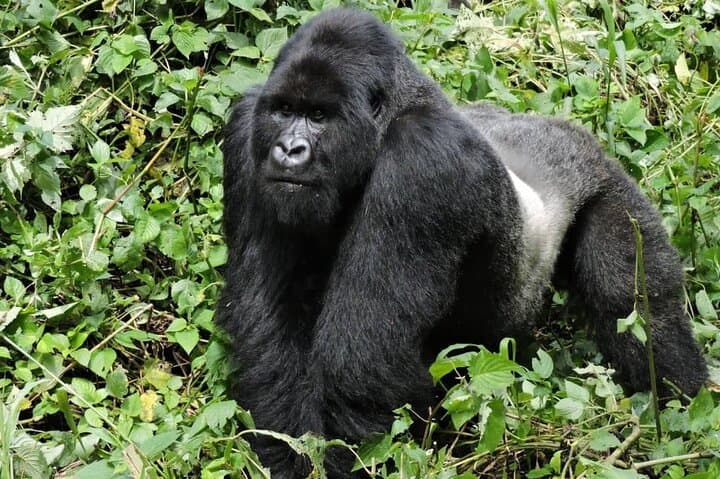
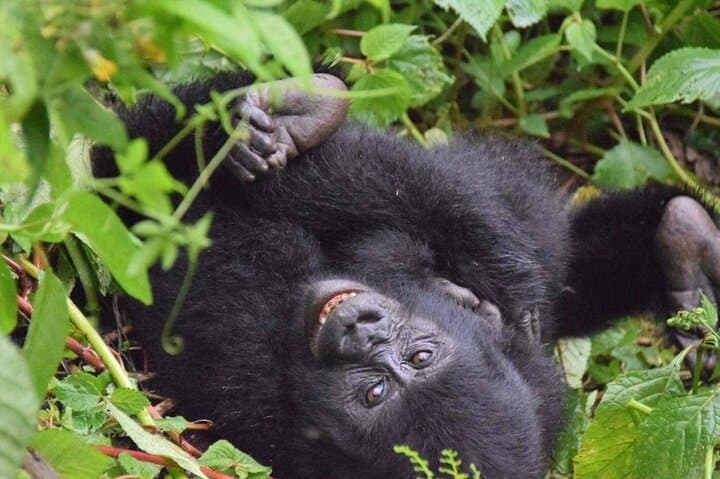
Mist hangs in the forest like a slow-moving river as you step off the track into green that seems to press in on all sides. The trees lean close and the rainforest breathes—leaves drip, vines tug at sleeves, and the trail rises and falls through mossy roots. This is Bwindi Impenetrable National Park, where mountain gorillas move through the understory with surprising ease and the forest dares you to keep up.
Verified experiences and guided adventures in the surrounding area.
Operated by Safari adventures Uganda · Rushaga (Bwindi), Kanungu District
Mist hangs in the forest like a slow-moving river as you step off the track into green that seems to press in on all sides. The trees lean close and the rainforest breathes—leaves drip, vines tug at sleeves, and the trail rises and falls through mossy roots. This is Bwindi Impenetrable National Park, where mountain gorillas move through the understory with surprising ease and the forest dares you to keep up.
Bwindi was designated a UNESCO World Heritage site in the 1990s to protect its ancient montane forest and the last remaining families of mountain gorillas. Geologically the park sits along the Albertine Rift, its steep ridges and fragmented valleys creating microclimates that feed dense biodiversity. Culturally, the region is home to Bakiga farming communities and the Batwa people, whose forest knowledge complements conservation efforts.
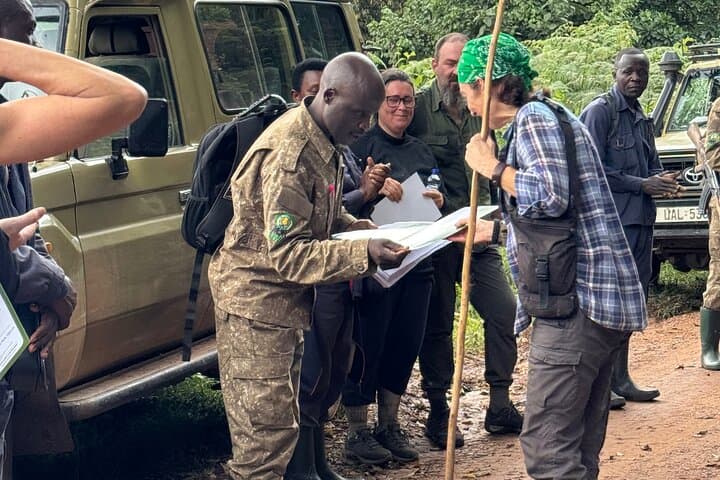
On a typical Rushaga-based itinerary you'll travel from Kampala or Entebbe over rolling farmland, pause at the Equator, then arrive at a lodge before an early-morning briefing and the trek itself. Expect between 2–6 hours of hiking to find the gorillas and a strict one-hour viewing window once you do. Trails vary from gentle paths to steep, muddy climbs; the forest can be slippery and visibility limited.
Practical considerations: permits are required and limited—book early; wear waterproof boots and long sleeves to guard against undergrowth and flies; bring water, snacks, and a light rain layer; listen closely to ranger instructions—safety and minimal disturbance are non-negotiable. The encounter is intimate, elemental, and governed by clear rules to protect both animals and visitors.
moderate.
3 days (trek day 2: 2–6 hours).
Reasonable endurance for hiking on uneven, sometimes steep terrain; basic balance and stamina required.
Yes—one gorilla trekking permit per person is required and issued by the Uganda Wildlife Authority; availability is limited so book early through an operator or UWA.
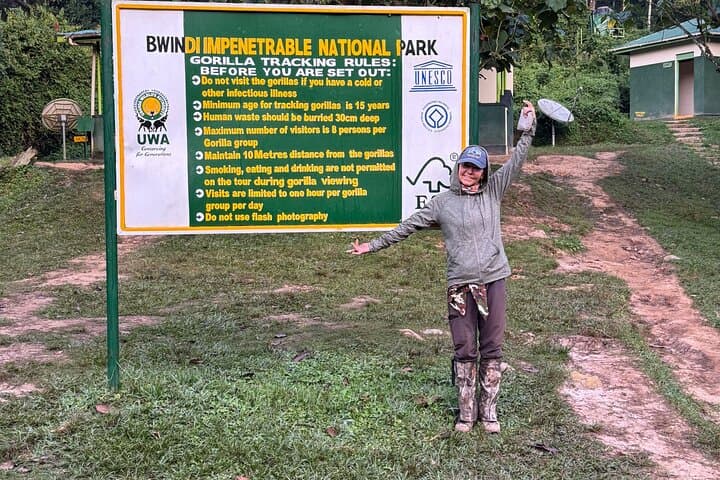
Uganda requires trekkers to be at least 15 years old to participate in gorilla trekking for safety and conservation reasons.
Trek difficulty varies by gorilla location—expect anywhere from a short, gentle walk to several hours of steep, muddy hiking; basic fitness and sturdy footwear are recommended.
Yes, photographs are allowed but without flash; follow ranger guidance to avoid disturbing the animals and to keep the group safe.
Bwindi was established as a national park in the early 1990s and was listed as a UNESCO World Heritage site for its exceptional biodiversity and role as a mountain gorilla stronghold.
Strict permit limits and ranger-led treks are used to minimize disturbance; tourism revenues fund anti-poaching, community projects, and habitat protection.
Safari adventures Uganda operates guided outdoor trips and adventures with an emphasis on safety, stewardship, and memorable experiences.
Mist hangs in the forest like a slow-moving river as you step off the track into green that seems to press in on all sides. The trees lean close and the rainforest breathes—leaves drip, vines tug at sleeves, and the trail rises and falls through mossy roots. This is Bwindi Impenetrable National Park, where mountain gorillas move through the understory with surprising ease and the forest dares you to keep up.
Mist hangs in the forest like a slow-moving river as you step off the track into green that seems to press in on all sides. The trees lean close and the rainforest breathes—leaves drip, vines tug at sleeves, and the trail rises and falls through mossy roots. This is Bwindi Impenetrable National Park, where mountain gorillas move through the understory with surprising ease and the forest dares you to keep up.
Bwindi was designated a UNESCO World Heritage site in the 1990s to protect its ancient montane forest and the last remaining families of mountain gorillas. Geologically the park sits along the Albertine Rift, its steep ridges and fragmented valleys creating microclimates that feed dense biodiversity. Culturally, the region is home to Bakiga farming communities and the Batwa people, whose forest knowledge complements conservation efforts.
On a typical Rushaga-based itinerary you'll travel from Kampala or Entebbe over rolling farmland, pause at the Equator, then arrive at a lodge before an early-morning briefing and the trek itself. Expect between 2–6 hours of hiking to find the gorillas and a strict one-hour viewing window once you do. Trails vary from gentle paths to steep, muddy climbs; the forest can be slippery and visibility limited.
Practical considerations: permits are required and limited—book early; wear waterproof boots and long sleeves to guard against undergrowth and flies; bring water, snacks, and a light rain layer; listen closely to ranger instructions—safety and minimal disturbance are non-negotiable. The encounter is intimate, elemental, and governed by clear rules to protect both animals and visitors.