THE ADVENTURE COLLECTIVE® · Independent discovery and booking for outdoor travel

Step into the mist of Bwindi or the bamboo bands of Volcanoes National Park for a regulated, intimate gorilla encounter. This practical guide covers what to expect on the trail, permits, and essential gear to make the most of your trek.
Step into the mist of Bwindi or the bamboo bands of Volcanoes National Park for a regulated, intimate gorilla encounter. This practical guide covers what to expect on the trail, permits, and essential gear to make the most of your trek.
Morning fog clings to giant ferns as you step off the vehicle and into the forest. The trail immediately narrows; trees crowd the path and the air smells of damp earth. Guides scan the canopy and the undergrowth with practiced eyes, the trackers’ footsteps setting the pace as the forest seems to pull you deeper toward a family of mountain gorillas.
Verified experiences and guided adventures in the surrounding area.
Operated by Nextgen Safaris Africa · Kisoro, Kisoro District
Morning fog clings to giant ferns as you step off the vehicle and into the forest. The trail immediately narrows; trees crowd the path and the air smells of damp earth. Guides scan the canopy and the undergrowth with practiced eyes, the trackers’ footsteps setting the pace as the forest seems to pull you deeper toward a family of mountain gorillas.
These treks take place in two of East Africa’s most famous gorilla habitats—Bwindi Impenetrable Forest (Uganda) and Volcanoes National Park (Rwanda). Bwindi’s ancient, moss-draped slopes are carved by tectonics and volcanic soils, while the Volcanoes landscape folds up into bamboo bands and steep ridgelines. Local Batwa and Kinyarwanda cultures have long shared the land with these primates; conservation efforts by researchers such as Dian Fossey helped create today’s regulated permit system.
Expect steep, muddy trails, sections of dense bamboo, and elevation changes commonly between 1,400–2,600 m; a typical trek can last from a quick one-hour approach to several hours of uphill travel. The encounter itself is strictly one hour under park rules—enough time to observe feeding, play, and social behavior while staying a respectful distance.
Practical tips: wear sturdy, waterproof boots, bring gaiters and gloves for thickets, and carry 2–3 liters of water. Start early to avoid midday rains and bring layers—the forest can be warm at the base and chilling at higher altitudes. Permits are limited; book well in advance and choose operators who allocate a portion of fees to local conservation. Respect guide instructions: low voices, no flash photography, and keep distance to protect both you and the gorillas.
moderate.
2 days (multi-day tour).
Moderate fitness recommended—able to handle several hours of uphill and uneven terrain at altitude.
Official park rules limit visitor contact to one hour per group to reduce stress on the gorillas.
Yes—both Bwindi and Volcanoes require permits; these are limited and should be booked well in advance through a licensed operator.
Trails can be steep and muddy; some habituated groups are accessible for less strenuous walks, but check with your operator—many parks offer alternative experiences like habituation visits or cultural tours.
Maintain distance, avoid visiting if ill, and follow guide instructions; many parks require masks or 7-meter distances to protect gorilla health.
Bwindi and the Virunga region have long been home to forest-dependent communities; modern conservation grew from research and anti-poaching efforts that began in the mid-20th century.
Permits fund park management and community programs; follow leave-no-trace principles and support operators who reinvest in local conservation and livelihoods.
Nextgen Safaris Africa operates guided outdoor trips and adventures with an emphasis on safety, stewardship, and memorable experiences.
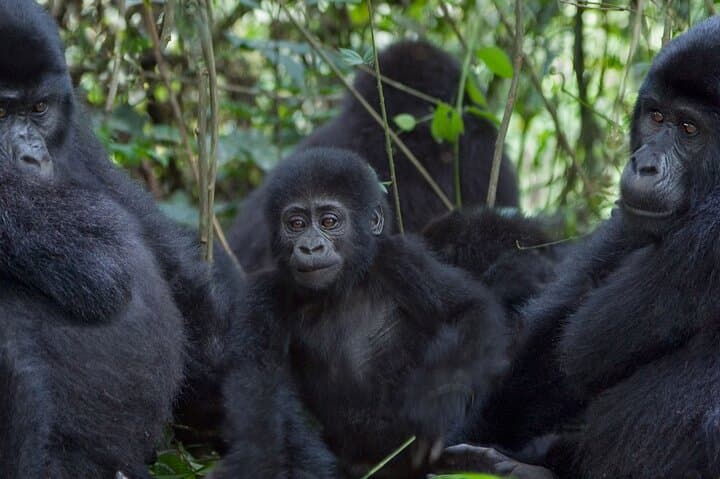
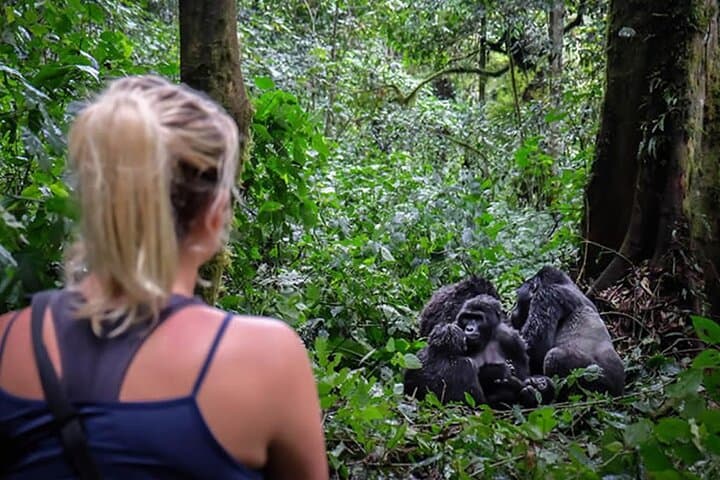
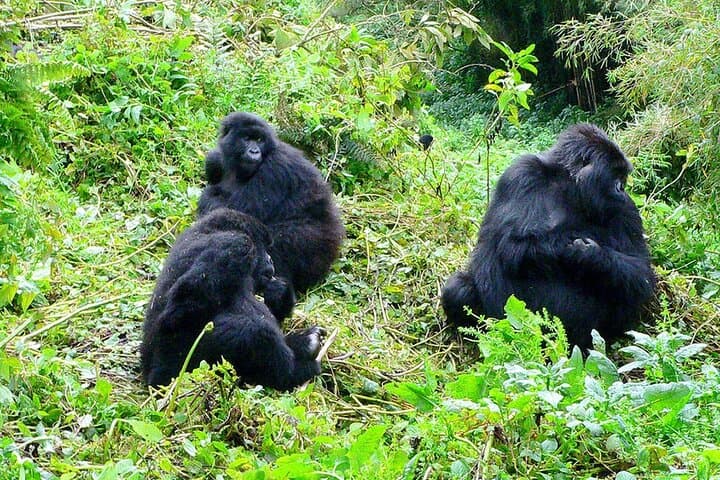
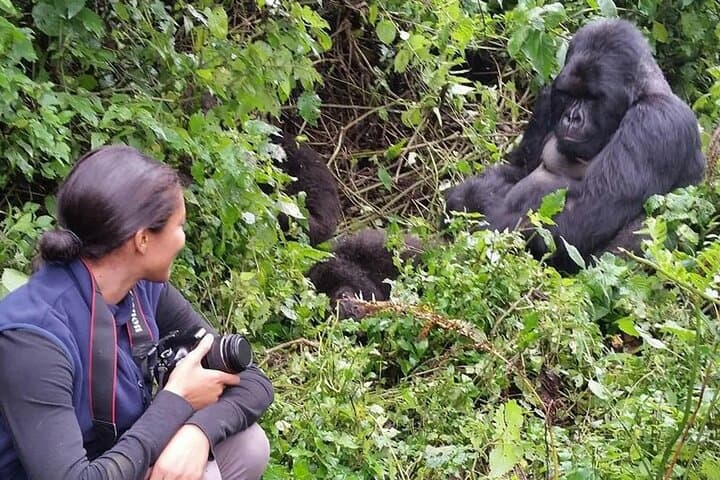
Morning fog clings to giant ferns as you step off the vehicle and into the forest. The trail immediately narrows; trees crowd the path and the air smells of damp earth. Guides scan the canopy and the undergrowth with practiced eyes, the trackers’ footsteps setting the pace as the forest seems to pull you deeper toward a family of mountain gorillas.
Morning fog clings to giant ferns as you step off the vehicle and into the forest. The trail immediately narrows; trees crowd the path and the air smells of damp earth. Guides scan the canopy and the undergrowth with practiced eyes, the trackers’ footsteps setting the pace as the forest seems to pull you deeper toward a family of mountain gorillas.
These treks take place in two of East Africa’s most famous gorilla habitats—Bwindi Impenetrable Forest (Uganda) and Volcanoes National Park (Rwanda). Bwindi’s ancient, moss-draped slopes are carved by tectonics and volcanic soils, while the Volcanoes landscape folds up into bamboo bands and steep ridgelines. Local Batwa and Kinyarwanda cultures have long shared the land with these primates; conservation efforts by researchers such as Dian Fossey helped create today’s regulated permit system.
Expect steep, muddy trails, sections of dense bamboo, and elevation changes commonly between 1,400–2,600 m; a typical trek can last from a quick one-hour approach to several hours of uphill travel. The encounter itself is strictly one hour under park rules—enough time to observe feeding, play, and social behavior while staying a respectful distance.
Practical tips: wear sturdy, waterproof boots, bring gaiters and gloves for thickets, and carry 2–3 liters of water. Start early to avoid midday rains and bring layers—the forest can be warm at the base and chilling at higher altitudes. Permits are limited; book well in advance and choose operators who allocate a portion of fees to local conservation. Respect guide instructions: low voices, no flash photography, and keep distance to protect both you and the gorillas.