THE ADVENTURE COLLECTIVE® · Independent discovery and booking for outdoor travel

Spend three days from Kampala to Bwindi and back with a focused day of gorilla tracking in dense montane forest. This guide outlines what to expect in terrain, fitness demands, and how to prepare for a responsible encounter with mountain gorillas.
Spend three days from Kampala to Bwindi and back with a focused day of gorilla tracking in dense montane forest. This guide outlines what to expect in terrain, fitness demands, and how to prepare for a responsible encounter with mountain gorillas.
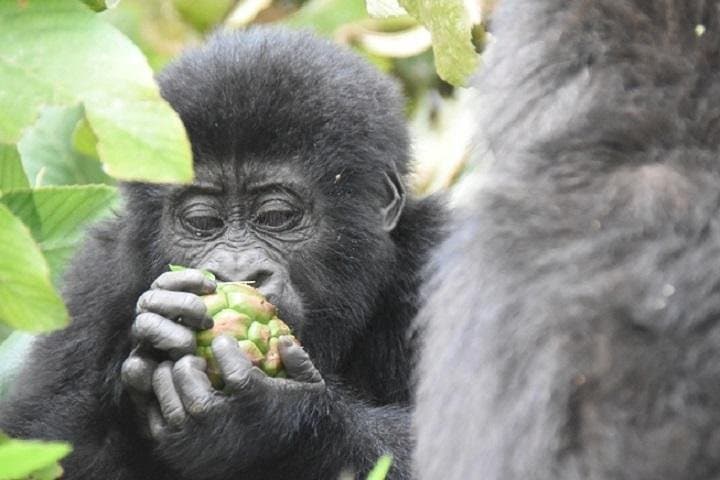
The trail opens under a wet canopy; each step sinks into spongy leaf litter while breath fogs in the cool mountain air. Birdsong slices the hush and, somewhere ahead, trackers move like patient tides through the trees. On day two of this three-day loop, visitors slip into the forest to meet mountain gorillas—their closest wild kin—at eye level where moss and vines claim the trunks.
Verified experiences and guided adventures in the surrounding area.
Operated by Range Land Safaris · Buhoma, Kanungu District
The trail opens under a wet canopy; each step sinks into spongy leaf litter while breath fogs in the cool mountain air. Birdsong slices the hush and, somewhere ahead, trackers move like patient tides through the trees. On day two of this three-day loop, visitors slip into the forest to meet mountain gorillas—their closest wild kin—at eye level where moss and vines claim the trunks.
Bwindi Impenetrable National Park is an ancient, high-rainfall forest straddling the Albertine Rift. Carved by tectonics, its steep valleys and ridgelines create pockets of biodiversity and refuge for half the world’s remaining mountain gorillas. The local Batwa communities have lived at the forest’s edges for generations; their knowledge of trails and seasonal fruiting cycles is woven into how guided tracking operates today.
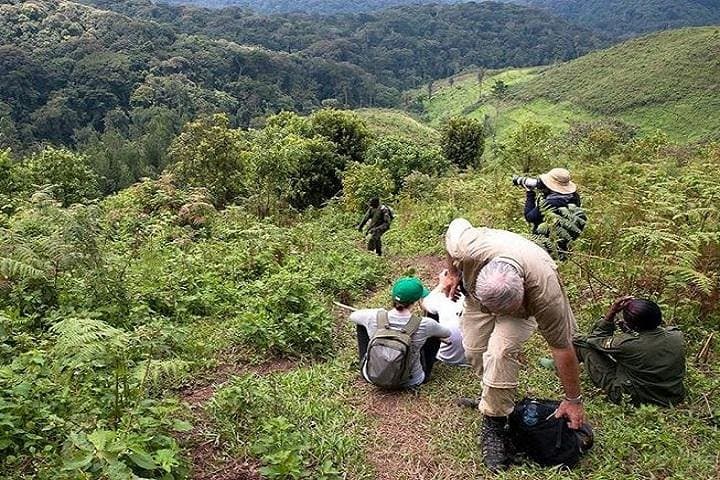
Expect narrow, often muddy trails, bamboo and mixed broadleaf zones, and elevation between about 1,200–2,600 m. A typical gorilla encounter ranges from a short stroll to a strenuous half-day search—treks commonly last 2–8 hours and can gain several hundred meters depending on the group’s location. Rangers enforce strict viewing rules and limit group sizes to protect the gorillas.
Practical guidance: hike with sturdy waterproof boots, bring layered rain protection, and carry a single daypack with water, high-energy snacks, and a basic first-aid kit. Arrive in Bwindi the day before tracking to avoid long transfers and buy time to acclimatize. Respect distance limits and the guides’ instructions—every minute of permission to visit these gorillas depends on careful, low-impact behavior.
moderate.
3 days (tracking day 2: 2–8 hours).
Should be in good, steady hiking shape—able to handle steep, slippery trails and sustained walking for several hours.
Yes—permits are required and limited; your tour operator should secure the gorilla permit in advance as part of the package.
Trek lengths vary widely depending on gorilla group location—expect anywhere from 2 to 8 hours of hiking on the tracking day.
Young children and people with serious cardiovascular or spinal conditions are generally discouraged; moderate fitness is recommended and operators may set age minimums.
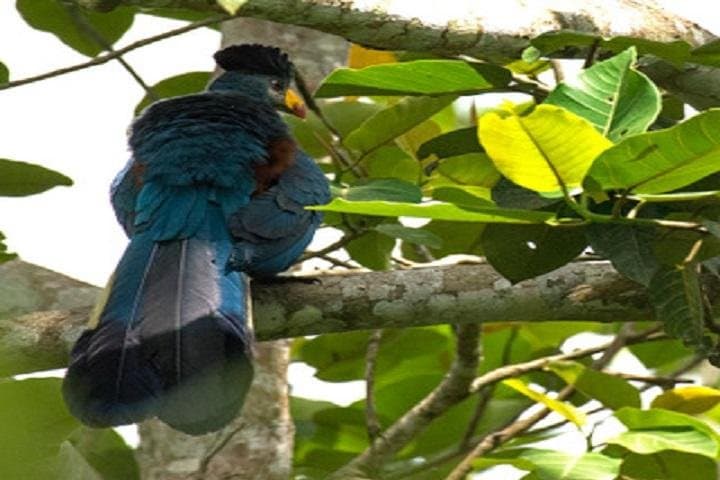
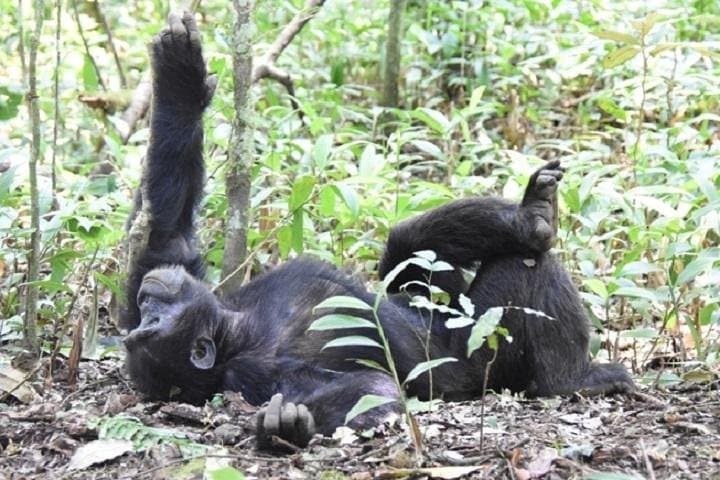
Bwindi hosts forest primates, duikers, black-and-white colobus monkeys, and many forest bird species; sightings depend on habitat and time of day.
Bwindi’s forests have served as refugia since the Pleistocene and today protect half the world’s mountain gorilla population; local Batwa communities have deep cultural ties to the forest.
Visits are tightly regulated—permits, limited viewing time, and ranger presence reduce disease transmission and disturbance; practice strict Leave No Trace principles.
Range Land Safaris operates guided outdoor trips and adventures with an emphasis on safety, stewardship, and memorable experiences.
The trail opens under a wet canopy; each step sinks into spongy leaf litter while breath fogs in the cool mountain air. Birdsong slices the hush and, somewhere ahead, trackers move like patient tides through the trees. On day two of this three-day loop, visitors slip into the forest to meet mountain gorillas—their closest wild kin—at eye level where moss and vines claim the trunks.
The trail opens under a wet canopy; each step sinks into spongy leaf litter while breath fogs in the cool mountain air. Birdsong slices the hush and, somewhere ahead, trackers move like patient tides through the trees. On day two of this three-day loop, visitors slip into the forest to meet mountain gorillas—their closest wild kin—at eye level where moss and vines claim the trunks.
Bwindi Impenetrable National Park is an ancient, high-rainfall forest straddling the Albertine Rift. Carved by tectonics, its steep valleys and ridgelines create pockets of biodiversity and refuge for half the world’s remaining mountain gorillas. The local Batwa communities have lived at the forest’s edges for generations; their knowledge of trails and seasonal fruiting cycles is woven into how guided tracking operates today.
Expect narrow, often muddy trails, bamboo and mixed broadleaf zones, and elevation between about 1,200–2,600 m. A typical gorilla encounter ranges from a short stroll to a strenuous half-day search—treks commonly last 2–8 hours and can gain several hundred meters depending on the group’s location. Rangers enforce strict viewing rules and limit group sizes to protect the gorillas.
Practical guidance: hike with sturdy waterproof boots, bring layered rain protection, and carry a single daypack with water, high-energy snacks, and a basic first-aid kit. Arrive in Bwindi the day before tracking to avoid long transfers and buy time to acclimatize. Respect distance limits and the guides’ instructions—every minute of permission to visit these gorillas depends on careful, low-impact behavior.