THE ADVENTURE COLLECTIVE® · Independent discovery and booking for outdoor travel

Walk into Bwindi’s living forest where ancient ridges and mist-hidden trails lead to face-to-face encounters with mountain gorillas. This practical guide covers what to expect, local context, and how to prepare for a safe, respectful tracking experience.
Walk into Bwindi’s living forest where ancient ridges and mist-hidden trails lead to face-to-face encounters with mountain gorillas. This practical guide covers what to expect, local context, and how to prepare for a safe, respectful tracking experience.
A mist-thick morning presses through the trunks as your group gathers at the trailhead in Buhoma. The forest breathes around you—vines tug at sleeves, damp earth gives underfoot—and every slow step carries the possibility of a silverback’s soft exhale. Bwindi’s canopy closes above, a living roof that has sheltered mountain gorillas for millennia.
Verified experiences and guided adventures in the surrounding area.
Operated by Adgentes africa safari · Buhoma, Kanungu District
A mist-thick morning presses through the trunks as your group gathers at the trailhead in Buhoma. The forest breathes around you—vines tug at sleeves, damp earth gives underfoot—and every slow step carries the possibility of a silverback’s soft exhale. Bwindi’s canopy closes above, a living roof that has sheltered mountain gorillas for millennia.
Bwindi Impenetrable was designated a UNESCO World Heritage Site in 1994 and now protects nearly half of the world’s mountain gorillas. The park’s geology—ancient, steep ridges cut by volcanic and tectonic forces—creates narrow valleys and ridgelines where dense montane forest clings to slopes. Local Bakiga and Batwa communities have long histories here; community-led walks and craft markets offer cultural context alongside conservation stories.
Expect full-day tracking windows that vary by group: some encounters are brief, others require hours of steeper, muddy hiking. Guides lead on narrow, often root-strewn trails; porters are available for steeper sections. Strict rules protect gorillas—no coughing near animals, keep six meters distance, and photography without flash only.
Practical guidance: bring sturdy waterproof boots, gaiters and a breathable rain jacket; plan for rapidly changing weather and muddy trails. Hydrate before the trek, pack snacks, and carry a small pack to keep hands free for balance. Book gorilla permits well in advance—spaces are limited—and arrive rested: encounters are intimate and demanding in equal measure. When the group finally finds a troop, silence and respect reward patience with unforgettable close-up behavior that lingers long after you leave the forest.
challenging.
3 days (daily tracking 4–8 hours).
Good cardiovascular fitness and lower-body strength recommended; able to hike on steep, uneven, muddy terrain for several hours.
Yes—tracking requires an official gorilla permit issued by Uganda Wildlife Authority; reputable operators include it in the booking or advise how to obtain one.
Guidelines require maintaining about six meters (20 feet) to minimize disease risk; your guide will enforce this distance during the encounter.
Local trackers and porters are commonly available; trackers help locate troops while porters assist with heavy packs for a customary tip.
Drier months (June–September and December–February) tend to offer easier hiking and more reliable sighting conditions, though gorillas are present year-round.
Bwindi protects one of the last strongholds of mountain gorillas and was inscribed as a UNESCO World Heritage Site in 1994 to safeguard both biodiversity and local livelihoods.
Strict permit systems, mandatory briefings, and limits on viewing time minimize disturbance; visitors should follow leave-no-trace practices and health precautions to protect gorilla populations.
Adgentes africa safari operates guided outdoor trips and adventures with an emphasis on safety, stewardship, and memorable experiences.



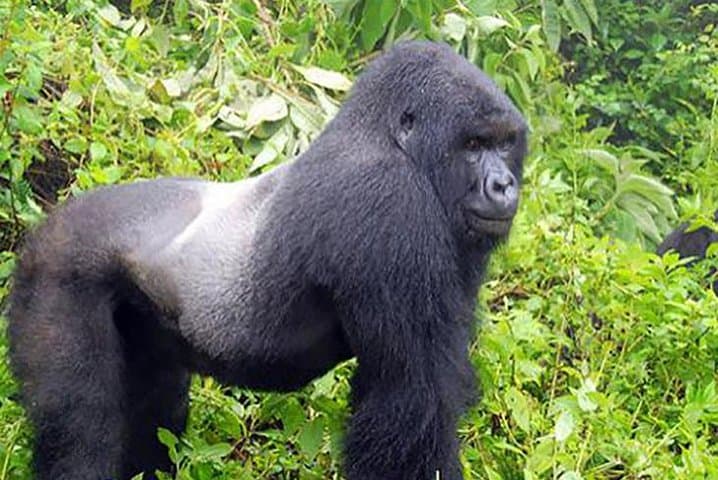
A mist-thick morning presses through the trunks as your group gathers at the trailhead in Buhoma. The forest breathes around you—vines tug at sleeves, damp earth gives underfoot—and every slow step carries the possibility of a silverback’s soft exhale. Bwindi’s canopy closes above, a living roof that has sheltered mountain gorillas for millennia.
A mist-thick morning presses through the trunks as your group gathers at the trailhead in Buhoma. The forest breathes around you—vines tug at sleeves, damp earth gives underfoot—and every slow step carries the possibility of a silverback’s soft exhale. Bwindi’s canopy closes above, a living roof that has sheltered mountain gorillas for millennia.
Bwindi Impenetrable was designated a UNESCO World Heritage Site in 1994 and now protects nearly half of the world’s mountain gorillas. The park’s geology—ancient, steep ridges cut by volcanic and tectonic forces—creates narrow valleys and ridgelines where dense montane forest clings to slopes. Local Bakiga and Batwa communities have long histories here; community-led walks and craft markets offer cultural context alongside conservation stories.
Expect full-day tracking windows that vary by group: some encounters are brief, others require hours of steeper, muddy hiking. Guides lead on narrow, often root-strewn trails; porters are available for steeper sections. Strict rules protect gorillas—no coughing near animals, keep six meters distance, and photography without flash only.
Practical guidance: bring sturdy waterproof boots, gaiters and a breathable rain jacket; plan for rapidly changing weather and muddy trails. Hydrate before the trek, pack snacks, and carry a small pack to keep hands free for balance. Book gorilla permits well in advance—spaces are limited—and arrive rested: encounters are intimate and demanding in equal measure. When the group finally finds a troop, silence and respect reward patience with unforgettable close-up behavior that lingers long after you leave the forest.