THE ADVENTURE COLLECTIVE® · Independent discovery and booking for outdoor travel

A compact two-day itinerary that moves from Kigali through Kisoro hills into Bwindi Impenetrable Forest for a guided mountain gorilla encounter and Batwa community visit. This practical guide outlines what to expect on the trek, terrain challenges, and essential preparation.
A compact two-day itinerary that moves from Kigali through Kisoro hills into Bwindi Impenetrable Forest for a guided mountain gorilla encounter and Batwa community visit. This practical guide outlines what to expect on the trek, terrain challenges, and essential preparation.
Dawn slides over the Kisoro hills and the road to Bwindi tightens into green: steep terraces, tea plots, and a ribbon of mist that clings to the forest canopy. By midmorning you’ll trade asphalt for a narrow ranger trail and the forest will close around you—humid air, a chorus of birds, and the low, deliberate sounds of something much larger moving in the understory.
Verified experiences and guided adventures in the surrounding area.
Operated by Simba African Expeditions · Kisoro, Western Region
Dawn slides over the Kisoro hills and the road to Bwindi tightens into green: steep terraces, tea plots, and a ribbon of mist that clings to the forest canopy. By midmorning you’ll trade asphalt for a narrow ranger trail and the forest will close around you—humid air, a chorus of birds, and the low, deliberate sounds of something much larger moving in the understory.
Bwindi Impenetrable Forest is ancient rainforest—part of the Albertine Rift—with elevations ranging roughly 1,160–2,600 m. The park holds half the world’s remaining mountain gorillas and a deep human history: Batwa communities have lived here for generations, practicing forest-based crafts and music that visitors can experience in community walks near the park edge.
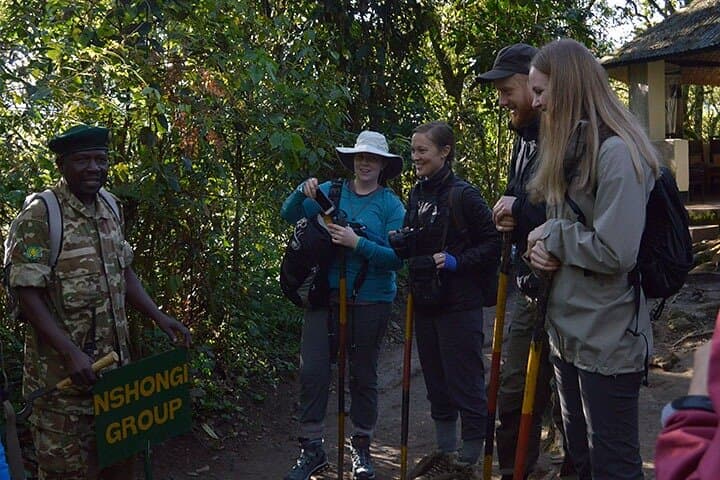
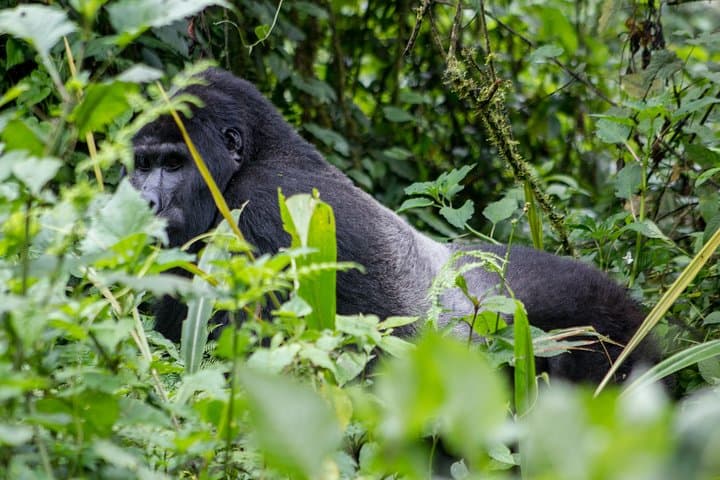
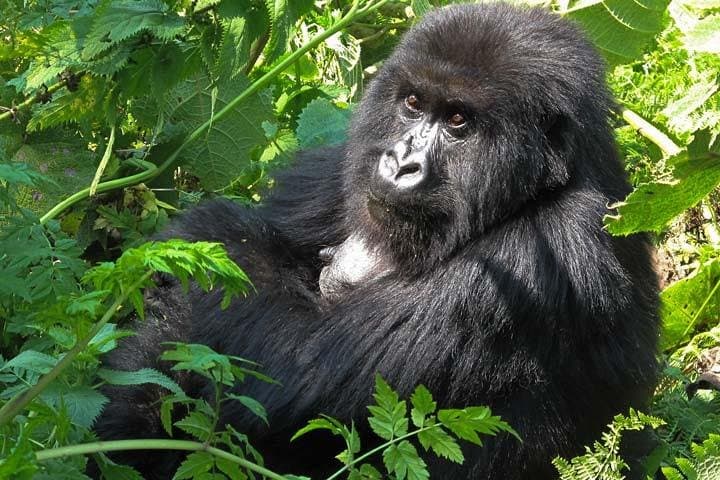
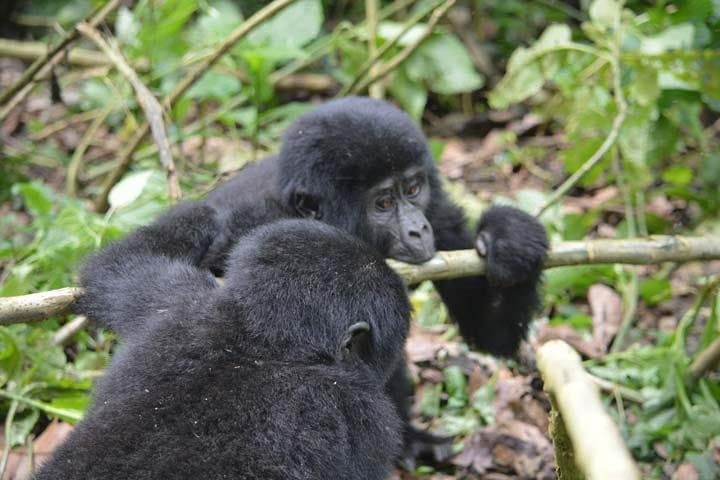
Expect variable terrain: steep climbs, muddy switchbacks and dense, root-strewn trails. Trackers and rangers lead small groups (maximum eight) to locate gorilla families; viewing time is strictly limited (usually one hour) to minimize disturbance. Encounters are slow and intense—silverbacks will study you with curious eyes while juveniles test branches and the forest watches.
Practically: book your gorilla permit well in advance, arrive with wet-weather gear and ankle-supporting boots, and travel light—camera, water, and rain cover. Maintain distance, follow ranger instructions, and be prepared for a full day of hiking or a shorter, steep outing depending on the family’s location. Transfers from Kigali are long but scenically rewarding. Leave electronics on low volume and favor quiet observation—Bwindi rewards patience more than speed.
moderate.
2 days (tracking day 3–8 hours typical).
Should be in regular aerobic shape, able to manage sustained uphill and uneven terrain for several hours.
Yes—an official gorilla permit is required to enter a gorilla family’s range; permits are limited and must be booked in advance.
Difficulty varies by family location: treks can be brief and steep or multi-hour hikes through muddy, uneven terrain; moderate fitness is recommended.
Encounters are common because rangers track known families, but sightings can’t be absolutely guaranteed due to animal movement and weather.
Uganda generally sets a minimum age (often 15) for gorilla trekking to protect both children and gorillas; check current park rules before booking.
Bwindi is part of the Albertine Rift and has hosted human forest communities, including the Batwa, for generations; it became a protected park to conserve its rare wildlife.
Gorilla tourism funds protection and community programs—staying with authorized operators and following park rules minimizes disturbance and supports conservation.
Simba African Expeditions operates guided outdoor trips and adventures with an emphasis on safety, stewardship, and memorable experiences.
Dawn slides over the Kisoro hills and the road to Bwindi tightens into green: steep terraces, tea plots, and a ribbon of mist that clings to the forest canopy. By midmorning you’ll trade asphalt for a narrow ranger trail and the forest will close around you—humid air, a chorus of birds, and the low, deliberate sounds of something much larger moving in the understory.
Dawn slides over the Kisoro hills and the road to Bwindi tightens into green: steep terraces, tea plots, and a ribbon of mist that clings to the forest canopy. By midmorning you’ll trade asphalt for a narrow ranger trail and the forest will close around you—humid air, a chorus of birds, and the low, deliberate sounds of something much larger moving in the understory.
Bwindi Impenetrable Forest is ancient rainforest—part of the Albertine Rift—with elevations ranging roughly 1,160–2,600 m. The park holds half the world’s remaining mountain gorillas and a deep human history: Batwa communities have lived here for generations, practicing forest-based crafts and music that visitors can experience in community walks near the park edge.
Expect variable terrain: steep climbs, muddy switchbacks and dense, root-strewn trails. Trackers and rangers lead small groups (maximum eight) to locate gorilla families; viewing time is strictly limited (usually one hour) to minimize disturbance. Encounters are slow and intense—silverbacks will study you with curious eyes while juveniles test branches and the forest watches.
Practically: book your gorilla permit well in advance, arrive with wet-weather gear and ankle-supporting boots, and travel light—camera, water, and rain cover. Maintain distance, follow ranger instructions, and be prepared for a full day of hiking or a shorter, steep outing depending on the family’s location. Transfers from Kigali are long but scenically rewarding. Leave electronics on low volume and favor quiet observation—Bwindi rewards patience more than speed.