THE ADVENTURE COLLECTIVE® · Independent discovery and booking for outdoor travel

Walk Gori’s streets where Soviet monuments meet medieval stone. This focused two-hour tour navigates Stalin’s birthplace, a wartime museum and a hilltop fortress with practical tips for timing, footwear and what to expect.
Walk Gori’s streets where Soviet monuments meet medieval stone. This focused two-hour tour navigates Stalin’s birthplace, a wartime museum and a hilltop fortress with practical tips for timing, footwear and what to expect.
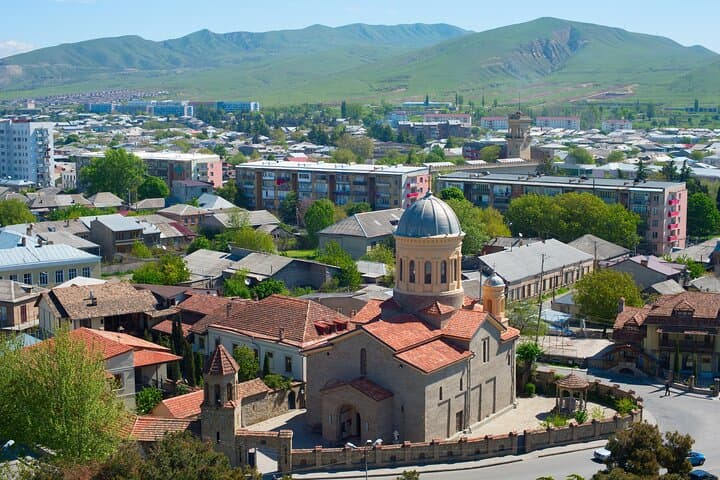
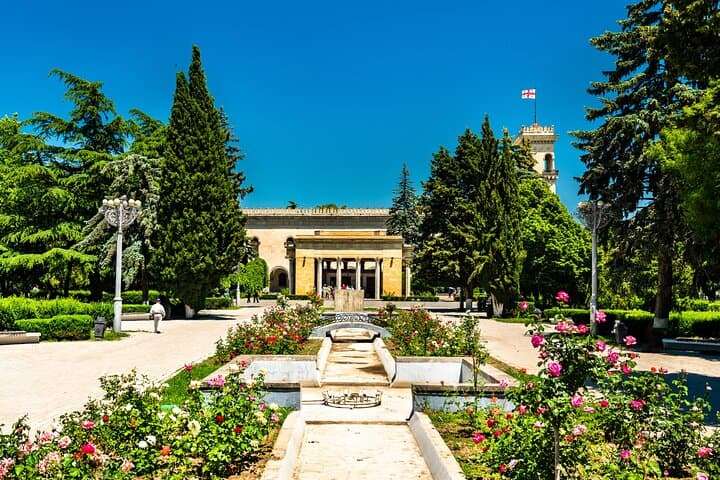
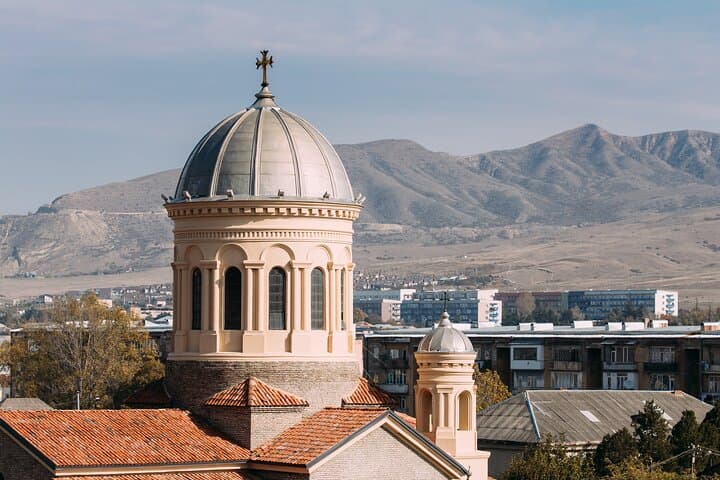
You step off the coach into a square where Soviet stone and Georgian limestone meet: a broad, planted park stretches one way, the fortress-claimed hill rises the other. Wind moves through the pines and the Kura River nearby seems to push the town forward, urging you up narrow streets toward layered history.
Verified experiences and guided adventures in the surrounding area.
Operated by Opatrip.com Georgia · Gori, Shida Kartli
You step off the coach into a square where Soviet stone and Georgian limestone meet: a broad, planted park stretches one way, the fortress-claimed hill rises the other. Wind moves through the pines and the Kura River nearby seems to push the town forward, urging you up narrow streets toward layered history.
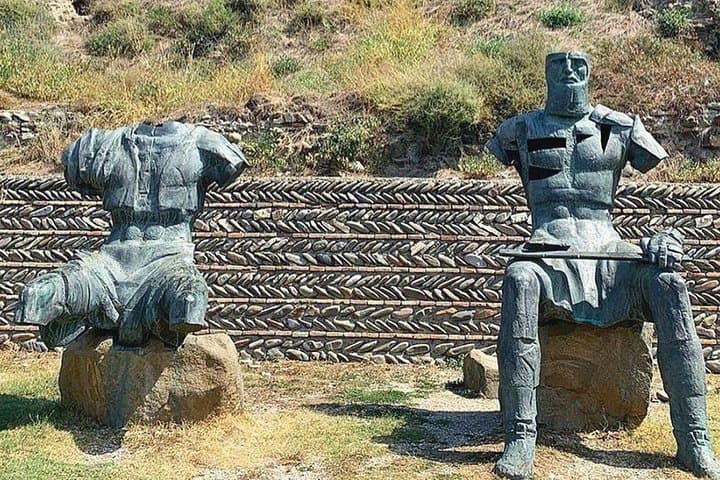
This two-hour walking tour threads together the 20th-century politics of Joseph Stalin’s legacy with older Georgian life etched into the stones of Gori Fortress. The Stalin Museum, built around his childhood home, presents artifacts and photographs that outline his rise; nearby the Great Patriotic War displays emphasize the Red Army’s narrative. Geologically, the fortress perches on a rocky promontory of weathered sandstone and conglomerate—visibility and defensive advantage dictated its medieval siting. Culturally, modern Gori balances remembrance, tourism, and local markets selling churchkhela and strong coffee.
Expect guided stops at landscaped Soviet-era parklands, the museum complex, a military exhibition, and a climb to the medieval citadel’s parapets where the plain unfurls to the Kura valley. The pace is steady walking on paved streets and some uneven fortress steps; allow time for photos and questions.
Practical tips: go early to avoid midday heat, bring ID for museum entry, and wear solid footwear for the fortress climb. Keep water handy—summer sun is direct, while spring and fall can turn breezy. The guide will provide context; your role is to listen, observe, and respect the layers of history underfoot.
moderate.
2 hours.
Participants should be comfortable walking for 90–120 minutes, including short uphill sections and stair climbs.
Admission is typically not included in the basic tour price—expect to pay a modest entry fee on site unless specified otherwise.
The fortress requires climbing uneven stone steps and short slopes; it’s not fully wheelchair accessible but manageable for most with reasonable mobility.
Photography rules vary by exhibit—follow posted signs and the guide’s instructions; flash may be prohibited in some displays.
Meeting details are provided at booking, often in central Gori or with pickup from Tbilisi; confirm the exact meeting point and any transfer options beforehand.
Gori is the birthplace of Joseph Stalin; its fortress is a medieval citadel sited on a rocky promontory that guarded the Kura valley for centuries.
Historic sites in Gori are maintained by regional authorities; visitors help preservation by staying on paths, not climbing fragile masonry, and avoiding litter.
Opatrip.com Georgia operates guided outdoor trips and adventures with an emphasis on safety, stewardship, and memorable experiences.
You step off the coach into a square where Soviet stone and Georgian limestone meet: a broad, planted park stretches one way, the fortress-claimed hill rises the other. Wind moves through the pines and the Kura River nearby seems to push the town forward, urging you up narrow streets toward layered history.
You step off the coach into a square where Soviet stone and Georgian limestone meet: a broad, planted park stretches one way, the fortress-claimed hill rises the other. Wind moves through the pines and the Kura River nearby seems to push the town forward, urging you up narrow streets toward layered history.
This two-hour walking tour threads together the 20th-century politics of Joseph Stalin’s legacy with older Georgian life etched into the stones of Gori Fortress. The Stalin Museum, built around his childhood home, presents artifacts and photographs that outline his rise; nearby the Great Patriotic War displays emphasize the Red Army’s narrative. Geologically, the fortress perches on a rocky promontory of weathered sandstone and conglomerate—visibility and defensive advantage dictated its medieval siting. Culturally, modern Gori balances remembrance, tourism, and local markets selling churchkhela and strong coffee.
Expect guided stops at landscaped Soviet-era parklands, the museum complex, a military exhibition, and a climb to the medieval citadel’s parapets where the plain unfurls to the Kura valley. The pace is steady walking on paved streets and some uneven fortress steps; allow time for photos and questions.
Practical tips: go early to avoid midday heat, bring ID for museum entry, and wear solid footwear for the fortress climb. Keep water handy—summer sun is direct, while spring and fall can turn breezy. The guide will provide context; your role is to listen, observe, and respect the layers of history underfoot.