THE ADVENTURE COLLECTIVE® · Independent discovery and booking for outdoor travel

Drive from Nice into the raw green of Gorges du Verdon, pause for ceramics in cliffside Moustiers‑Sainte‑Marie, inhale rows of lavender at peak bloom, and finish beside the clear water of Lac de Sainte‑Croix—an accessible six‑hour sampler of Provence.
Drive from Nice into the raw green of Gorges du Verdon, pause for ceramics in cliffside Moustiers‑Sainte‑Marie, inhale rows of lavender at peak bloom, and finish beside the clear water of Lac de Sainte‑Croix—an accessible six‑hour sampler of Provence.
You step off the minivan with the wind of the canyon already moving through your hair—salted air replaced by a dry, pine-scented draft that seems to pull you toward the rim. Below, the Verdon River has cut a clean, green-blue line through limestone, dropping nearly 700 meters where the canyon clamps the valley. The guide points to a bend and the color changes from deep teal to an almost electric turquoise; even through the lens it looks unreal.
Verified experiences and guided adventures in the surrounding area.
Operated by French Riviera Sightseeing · Moustiers-Sainte-Marie, Provence-Alpes-Côte d'Azur
You step off the minivan with the wind of the canyon already moving through your hair—salted air replaced by a dry, pine-scented draft that seems to pull you toward the rim. Below, the Verdon River has cut a clean, green-blue line through limestone, dropping nearly 700 meters where the canyon clamps the valley. The guide points to a bend and the color changes from deep teal to an almost electric turquoise; even through the lens it looks unreal.
The route of this six‑hour day trip reads like a compact reading of Provence: Castellane clinging to its high 'Roc', Moustiers‑Sainte‑Marie tucked beneath a sheer rock face where centuries of ceramic-making still hum in small ateliers, the staged ribbons of lavender on plateaus, and the placid, artificial basin of Lac de Sainte‑Croix—an alpine reservoir that catches the canyon’s runoff and gives back cool swimming in summer.
Geology here is blunt and immediate. The Verdon carved through Late Jurassic limestone, and the gorge’s steep walls expose layers that record ancient shallow seas. The same stone fed local kilns and gave Moustiers the raw material for its celebrated faience—earthware pottery whose blue glazes echo the river below. Castellane’s medieval watchtower watches the approach of tourists and once watched raiders; the villages keep a practical, lived-in Provençal character despite their photogenic facades.
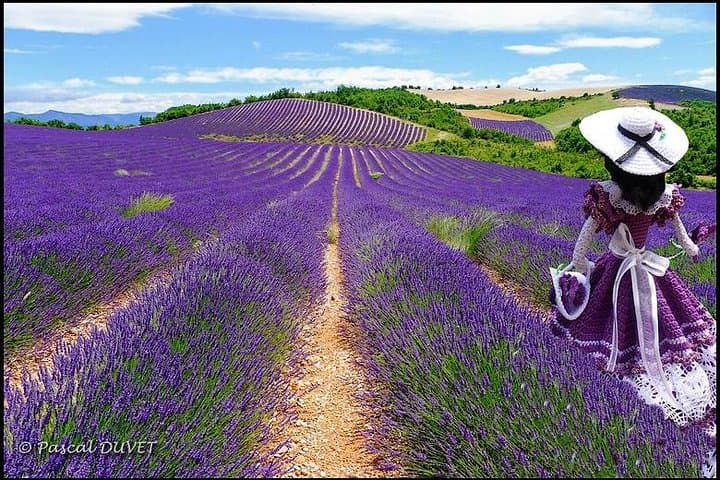
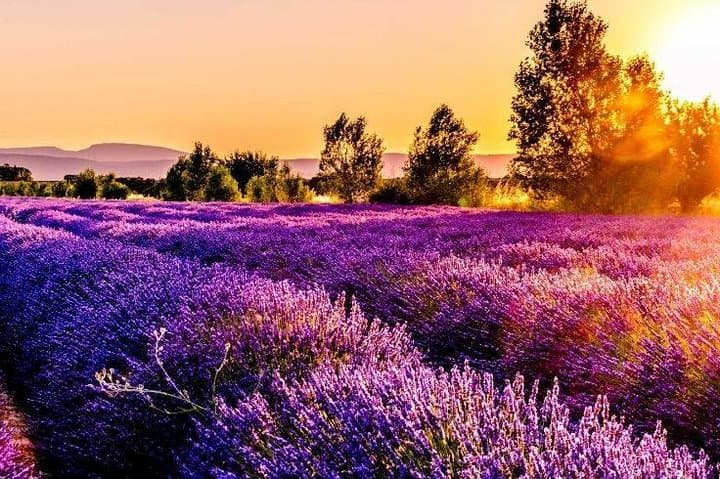
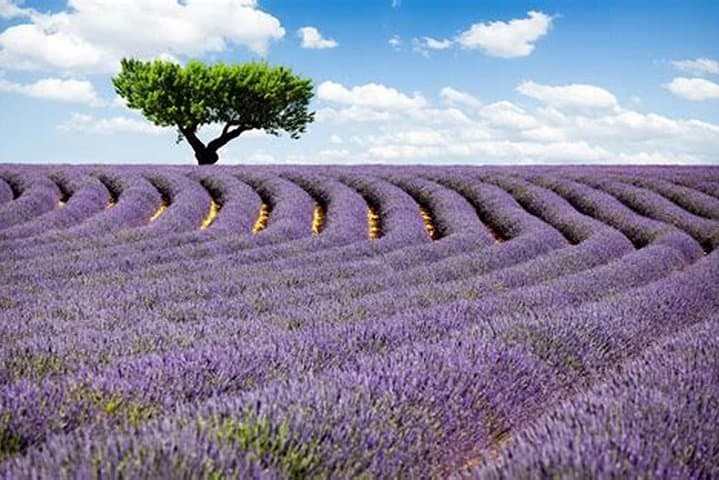
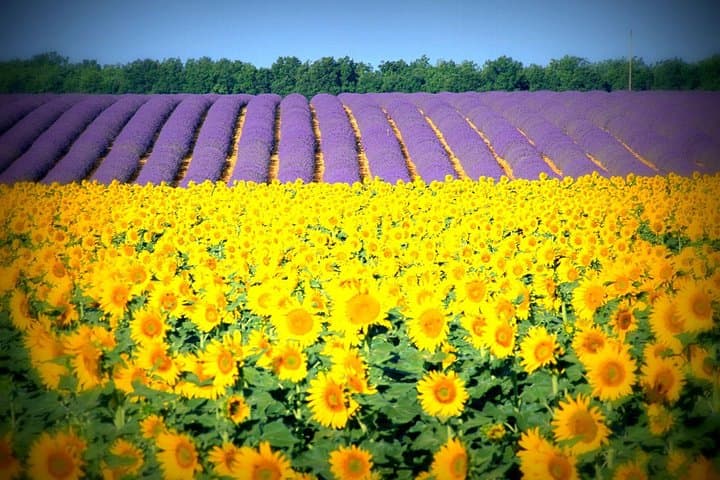
Lavender is seasonal: the aromatic purple fields are at their peak between mid‑June and mid‑July, but cutting and processing vary by farm. In the right week, a photo stop by the plateaus feels like walking into a scented panorama; outside that window, the honeyed fields still read as farmland—quiet and resonant.
Practicalities shape the day. The tour is a guided, small-group itinerary that includes hotel pickup in Nice and roughly 1.5–2 hours of driving each way depending on traffic. Expect short walks on village streets and light, uneven paths to viewpoints—nothing technical, but wear supportive shoes. Bring sun protection and a refillable water bottle: shade is scarce on the plateaus and viewpoints. Photography is best in the morning or late afternoon when the canyon’s color deepens and the villages settle into warm light. If lavender bloom timing is a priority, book for late June to early July and confirm with the operator.
Accessibility is good for most stops—the operator lists wheelchair access, but some village lanes and cliffside viewpoints have steps. Food options are classic Provençal: café lunches and regional dishes in Moustiers. If you want to swim in Lac de Sainte‑Croix, pack a swimsuit; water is clear and local beaches are family-friendly.
This day trip compresses a broad slice of Provence into comfortable travel time: dramatic geology, craft history, and seasonal color with practical, low‑effort access from Nice—an efficient way to see why the Verdon holds a permanent place on French road‑trip lists.
easy.
6 hours.
Suitable for travelers in average fitness; most moving is short walks and standing at viewpoints.
The tour runs about six hours with hotel pickup in Nice; exact pickup time is confirmed after booking (usually 30–60 minutes before departure).
Lavender typically blooms from mid‑June to mid‑July; processing visits and cutting can shift the best viewing window—confirm with the operator before booking.
The operator lists wheelchair accessibility for transportation and many areas, but some village streets and cliff viewpoints have steps—notify the provider of needs when booking to get exact accessibility details.
Yes—many itineraries include time at the lake where swimming is allowed; bring swimwear and towel as stops are brief and seasonal.
Lunch is typically not included; you’ll have free time in Moustiers to eat at cafés or buy regional fare—budget for a café lunch or picnic.
A wide‑angle lens for canyon panoramas and a short telephoto for village details are ideal; golden hour light enhances color in the gorge and lavender fields.
Castellane grew around a medieval Roc and Moustiers built a reputation for faience ceramics in the 17th–18th centuries, influenced by Italian glaze techniques.
Respect marked paths and private farms—lavender is a working crop. Lake Sainte‑Croix is managed to balance tourism and water quality; avoid leaving trash and use marked beaches.
French Riviera Sightseeing operates guided outdoor trips and adventures with an emphasis on safety, stewardship, and memorable experiences.
You step off the minivan with the wind of the canyon already moving through your hair—salted air replaced by a dry, pine-scented draft that seems to pull you toward the rim. Below, the Verdon River has cut a clean, green-blue line through limestone, dropping nearly 700 meters where the canyon clamps the valley. The guide points to a bend and the color changes from deep teal to an almost electric turquoise; even through the lens it looks unreal.
You step off the minivan with the wind of the canyon already moving through your hair—salted air replaced by a dry, pine-scented draft that seems to pull you toward the rim. Below, the Verdon River has cut a clean, green-blue line through limestone, dropping nearly 700 meters where the canyon clamps the valley. The guide points to a bend and the color changes from deep teal to an almost electric turquoise; even through the lens it looks unreal.
The route of this six‑hour day trip reads like a compact reading of Provence: Castellane clinging to its high 'Roc', Moustiers‑Sainte‑Marie tucked beneath a sheer rock face where centuries of ceramic-making still hum in small ateliers, the staged ribbons of lavender on plateaus, and the placid, artificial basin of Lac de Sainte‑Croix—an alpine reservoir that catches the canyon’s runoff and gives back cool swimming in summer.
Geology here is blunt and immediate. The Verdon carved through Late Jurassic limestone, and the gorge’s steep walls expose layers that record ancient shallow seas. The same stone fed local kilns and gave Moustiers the raw material for its celebrated faience—earthware pottery whose blue glazes echo the river below. Castellane’s medieval watchtower watches the approach of tourists and once watched raiders; the villages keep a practical, lived-in Provençal character despite their photogenic facades.
Lavender is seasonal: the aromatic purple fields are at their peak between mid‑June and mid‑July, but cutting and processing vary by farm. In the right week, a photo stop by the plateaus feels like walking into a scented panorama; outside that window, the honeyed fields still read as farmland—quiet and resonant.
Practicalities shape the day. The tour is a guided, small-group itinerary that includes hotel pickup in Nice and roughly 1.5–2 hours of driving each way depending on traffic. Expect short walks on village streets and light, uneven paths to viewpoints—nothing technical, but wear supportive shoes. Bring sun protection and a refillable water bottle: shade is scarce on the plateaus and viewpoints. Photography is best in the morning or late afternoon when the canyon’s color deepens and the villages settle into warm light. If lavender bloom timing is a priority, book for late June to early July and confirm with the operator.
Accessibility is good for most stops—the operator lists wheelchair access, but some village lanes and cliffside viewpoints have steps. Food options are classic Provençal: café lunches and regional dishes in Moustiers. If you want to swim in Lac de Sainte‑Croix, pack a swimsuit; water is clear and local beaches are family-friendly.
This day trip compresses a broad slice of Provence into comfortable travel time: dramatic geology, craft history, and seasonal color with practical, low‑effort access from Nice—an efficient way to see why the Verdon holds a permanent place on French road‑trip lists.