THE ADVENTURE COLLECTIVE® · Independent discovery and booking for outdoor travel

Hop the short ferry from Dakar for a compact, powerful visit to Gorée Island and the Place du Souvenir. Expect quiet streets, ocean views, and moving museums that trace Senegal’s history and women’s roles.
Hop the short ferry from Dakar for a compact, powerful visit to Gorée Island and the Place du Souvenir. Expect quiet streets, ocean views, and moving museums that trace Senegal’s history and women’s roles.
The ferry slips away from Dakar and the noise of the city thins to gull calls and the slap of water against hull. On Gorée Island there are no cars — only narrow lanes lined with colonial houses, wrought-iron balconies and bright bougainvillea that flare against pale walls. Walkable in a morning or a slow afternoon, the island carries both gentle coastal views and a heavy historical weight.
Verified experiences and guided adventures in the surrounding area.
Operated by sensafari excursion · Dakar, Dakar
The ferry slips away from Dakar and the noise of the city thins to gull calls and the slap of water against hull. On Gorée Island there are no cars — only narrow lanes lined with colonial houses, wrought-iron balconies and bright bougainvillea that flare against pale walls. Walkable in a morning or a slow afternoon, the island carries both gentle coastal views and a heavy historical weight.
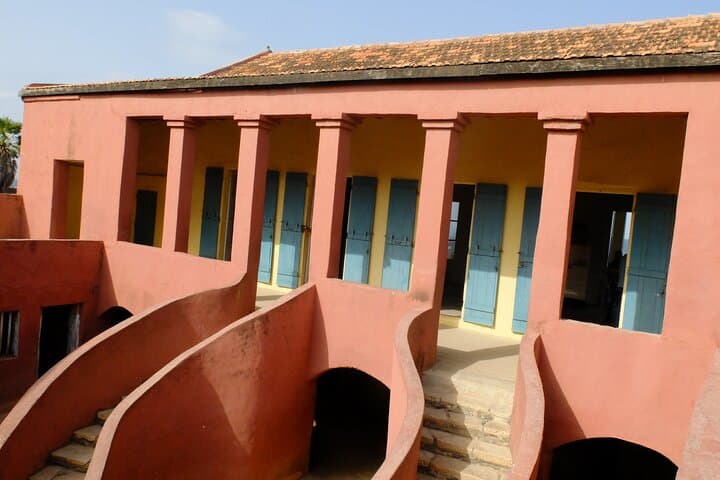
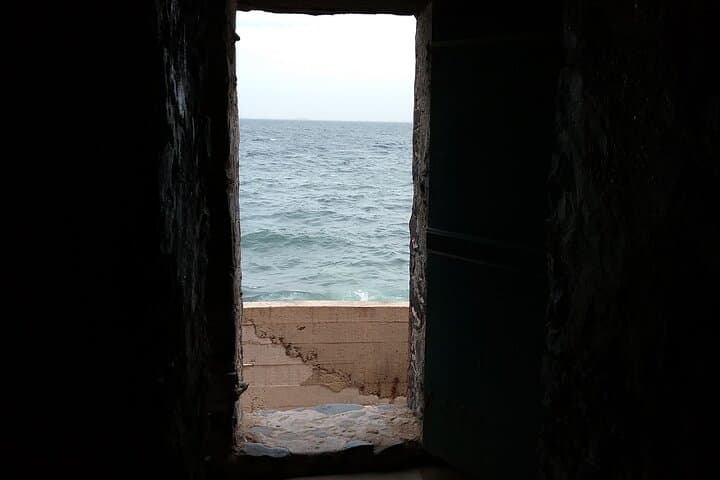
Gorée's layered history centers on its role in the Atlantic slave trade; the Maison des Esclaves (House of Slaves) and the Door of No Return are preserved as a memorial to those forced from these shores. Geologically the island is a small outcrop of ancient coastal sandstone and laterite, its high points offering sweeping views of Dakar’s shoreline. A short hop back on the mainland sits the Place du Souvenir and the Museum of Women, where local stories, women's roles and post-colonial history are interpreted through objects, photography and oral history.
Practical guidance: plan 2–4 hours for the round trip including museum time. Ferries depart regularly from Dakar’s port; buy return tickets early on weekends and public holidays. Wear sturdy, comfortable shoes for stone steps and uneven alleys, bring sun protection and water, and carry respect when visiting the Maison des Esclaves — photography is common but should be discreet at memorial sites. Local guides offer context that transforms visits into meaningful, informed experiences.
easy.
2–4 hours.
Suitable for most fitness levels; requires short walking on uneven ground and stairs
Typical ferry crossings take about 20–30 minutes each way, though timing varies by operator and weather.
Many historic rooms have narrow doorways and steps; access is limited — check with local operators for up-to-date accessibility options.
Some tours include entrance to museums; confirm with your operator whether tickets and guide fees are covered.
Photography is common in exterior and public areas, but be discreet and respectful inside memorial rooms where signs may limit pictures.
Gorée was a strategic trading post from the 15th century onward; its preserved sites focus on the trans-Atlantic slave trade and colonial interactions with European powers.
The island is compact and vulnerable to erosion and litter; sustainable visitation—staying on paths, avoiding single-use plastics and supporting local guides—helps preserve its sites.
sensafari excursion operates guided outdoor trips and adventures with an emphasis on safety, stewardship, and memorable experiences.
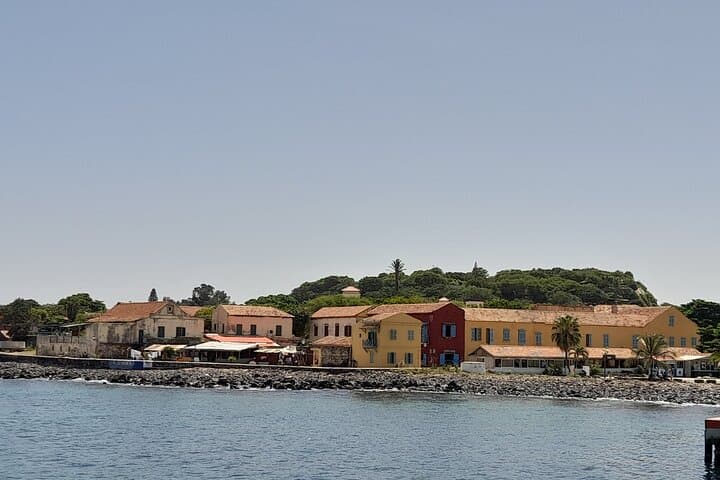
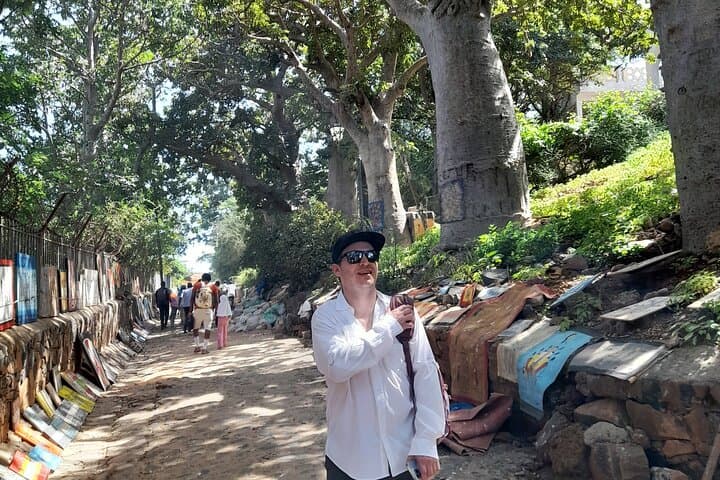
The ferry slips away from Dakar and the noise of the city thins to gull calls and the slap of water against hull. On Gorée Island there are no cars — only narrow lanes lined with colonial houses, wrought-iron balconies and bright bougainvillea that flare against pale walls. Walkable in a morning or a slow afternoon, the island carries both gentle coastal views and a heavy historical weight.
The ferry slips away from Dakar and the noise of the city thins to gull calls and the slap of water against hull. On Gorée Island there are no cars — only narrow lanes lined with colonial houses, wrought-iron balconies and bright bougainvillea that flare against pale walls. Walkable in a morning or a slow afternoon, the island carries both gentle coastal views and a heavy historical weight.
Gorée's layered history centers on its role in the Atlantic slave trade; the Maison des Esclaves (House of Slaves) and the Door of No Return are preserved as a memorial to those forced from these shores. Geologically the island is a small outcrop of ancient coastal sandstone and laterite, its high points offering sweeping views of Dakar’s shoreline. A short hop back on the mainland sits the Place du Souvenir and the Museum of Women, where local stories, women's roles and post-colonial history are interpreted through objects, photography and oral history.
Practical guidance: plan 2–4 hours for the round trip including museum time. Ferries depart regularly from Dakar’s port; buy return tickets early on weekends and public holidays. Wear sturdy, comfortable shoes for stone steps and uneven alleys, bring sun protection and water, and carry respect when visiting the Maison des Esclaves — photography is common but should be discreet at memorial sites. Local guides offer context that transforms visits into meaningful, informed experiences.