THE ADVENTURE COLLECTIVE® · Independent discovery and booking for outdoor travel

A single-day loop from Dakar that pairs Gorée Island’s compact, moving history with the otherworldly pink of Lake Retba. Walk cobbled streets, meet salt workers, and swim in buoyant, saline water — all in 6–8 hours.
A single-day loop from Dakar that pairs Gorée Island’s compact, moving history with the otherworldly pink of Lake Retba. Walk cobbled streets, meet salt workers, and swim in buoyant, saline water — all in 6–8 hours.
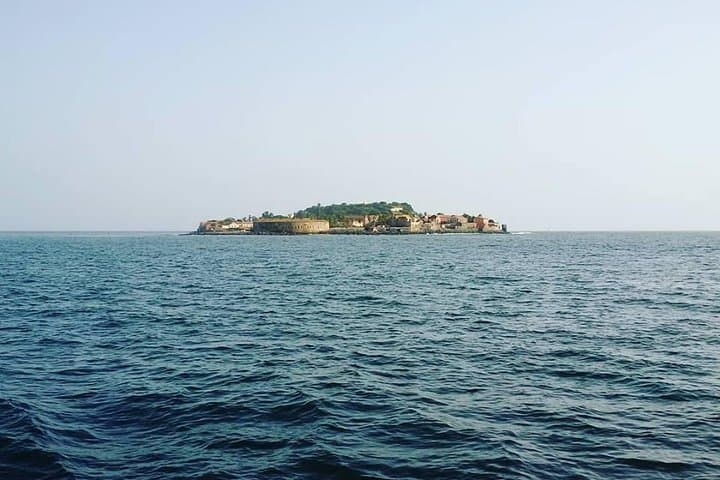
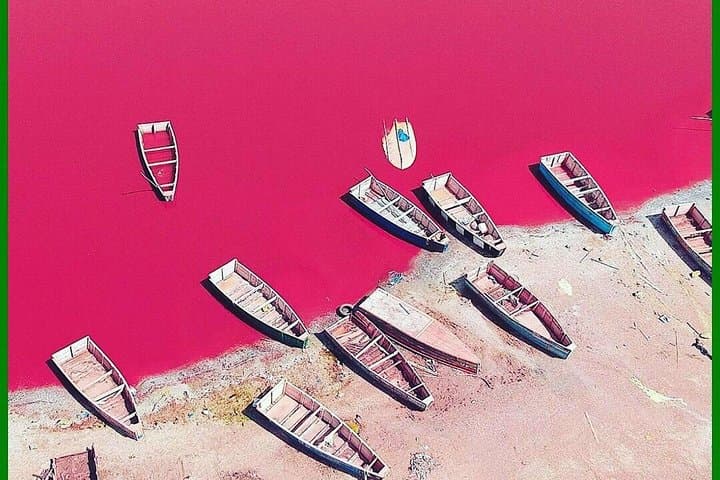
A creaking wooden ferry eases away from Dakar and the cityscape blurs into salt-scrafed sea air; minutes later the narrow lanes of Gorée open like a lived-in postcard — painted facades, bougainvillea draping low walls, and the hush of history at the Maison des Esclaves. On the return leg, the landscape changes again to wind-sculpted dunes surrounding Lac Rose, where mauve-tinted water and salt pickers stitch a living economy across bright white flats.
Verified experiences and guided adventures in the surrounding area.
Operated by Senegal Tourist Guide · Dakar, Dakar
A creaking wooden ferry eases away from Dakar and the cityscape blurs into salt-scrafed sea air; minutes later the narrow lanes of Gorée open like a lived-in postcard — painted facades, bougainvillea draping low walls, and the hush of history at the Maison des Esclaves. On the return leg, the landscape changes again to wind-sculpted dunes surrounding Lac Rose, where mauve-tinted water and salt pickers stitch a living economy across bright white flats.
Gorée Island holds layered stories: Portuguese and Dutch trading posts, French colonial architecture, and the painful legacy of the Atlantic slave trade preserved in small museums and the Maison des Esclaves. Lake Retba (Lac Rose) owes its color to halophilic algae and high salinity; seasonal winds and sunlight amplify pink hues while local Peulh communities and salt workers maintain centuries-old harvesting techniques.
Practical guidance: expect a full 6–8 hour day with periods of walking on cobbled streets and sandy tracks. Bring a light daypack, reef-safe sunscreen, and a water bottle you can refill — there’s a freshwater rinse after the lake swim. Respect religious and memorial sites by dressing modestly on Gorée, and budget cash for small purchases and tips. Boat crossings are brief but can be choppy; motion-sickness measures help. Timing matters: mid-morning crossings avoid the hottest sun and give the best light for the lake’s color. The route is family-friendly and low-technical, but uneven surfaces and stairs make steady footwear indispensable.
easy.
6–8 hours.
Light fitness: able to walk uneven cobbles, climb short staircases, and tolerate a short boat crossing.
Yes — the high salinity makes swimming buoyant and many tours include a supervised swim followed by a freshwater rinse.
Gorée has narrow, uneven streets and steps; while short stroller-friendly stretches exist, full accessibility is limited — contact the operator for assistance options.
Museum admissions are often not included; check the tour details and carry small cash to enter the Maison des Esclaves and local museums.
Dress modestly for memorials and churches, speak quietly, and follow guide instructions — these are sensitive cultural sites with strong historical significance.
Gorée Island was a hub in Atlantic trade routes and hosts the Maison des Esclaves museum documenting centuries of trafficking and colonial exchange.
Lac Rose’s saline ecosystem is sensitive; use reef-safe sunscreen, avoid littering, and support local salt-workers and community businesses to minimize tourism’s footprint.
Senegal Tourist Guide operates guided outdoor trips and adventures with an emphasis on safety, stewardship, and memorable experiences.
A creaking wooden ferry eases away from Dakar and the cityscape blurs into salt-scrafed sea air; minutes later the narrow lanes of Gorée open like a lived-in postcard — painted facades, bougainvillea draping low walls, and the hush of history at the Maison des Esclaves. On the return leg, the landscape changes again to wind-sculpted dunes surrounding Lac Rose, where mauve-tinted water and salt pickers stitch a living economy across bright white flats.
A creaking wooden ferry eases away from Dakar and the cityscape blurs into salt-scrafed sea air; minutes later the narrow lanes of Gorée open like a lived-in postcard — painted facades, bougainvillea draping low walls, and the hush of history at the Maison des Esclaves. On the return leg, the landscape changes again to wind-sculpted dunes surrounding Lac Rose, where mauve-tinted water and salt pickers stitch a living economy across bright white flats.
Gorée Island holds layered stories: Portuguese and Dutch trading posts, French colonial architecture, and the painful legacy of the Atlantic slave trade preserved in small museums and the Maison des Esclaves. Lake Retba (Lac Rose) owes its color to halophilic algae and high salinity; seasonal winds and sunlight amplify pink hues while local Peulh communities and salt workers maintain centuries-old harvesting techniques.
Practical guidance: expect a full 6–8 hour day with periods of walking on cobbled streets and sandy tracks. Bring a light daypack, reef-safe sunscreen, and a water bottle you can refill — there’s a freshwater rinse after the lake swim. Respect religious and memorial sites by dressing modestly on Gorée, and budget cash for small purchases and tips. Boat crossings are brief but can be choppy; motion-sickness measures help. Timing matters: mid-morning crossings avoid the hottest sun and give the best light for the lake’s color. The route is family-friendly and low-technical, but uneven surfaces and stairs make steady footwear indispensable.