THE ADVENTURE COLLECTIVE® · Independent discovery and booking for outdoor travel

Visit Gorée Island’s historic House of Slaves and the shifting colors of Lac Rose (Lake Retba) on a half- to full-day cultural excursion from Dakar. This trip combines poignant history with striking coastal geology and hands-on local life.
Visit Gorée Island’s historic House of Slaves and the shifting colors of Lac Rose (Lake Retba) on a half- to full-day cultural excursion from Dakar. This trip combines poignant history with striking coastal geology and hands-on local life.
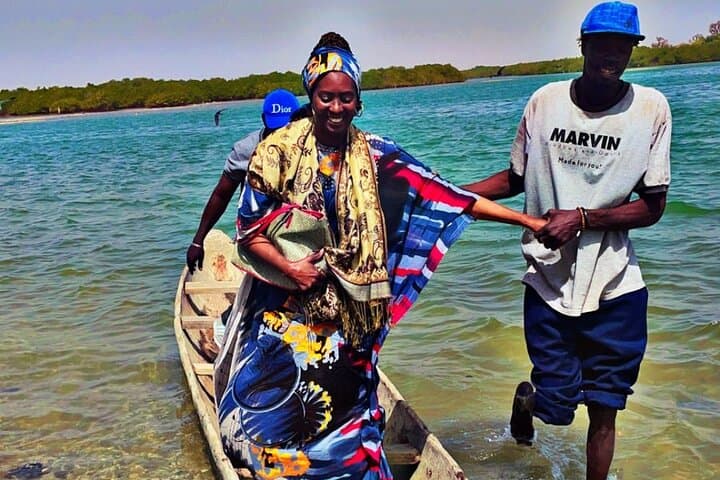
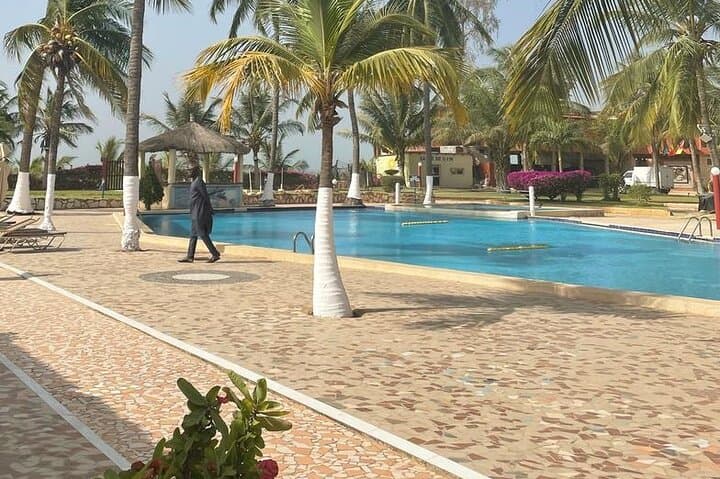
You step off an air-conditioned minivan onto a tiled quay as salt-slicked dunes push a pale ribbon of sand between the Atlantic and a lake that sometimes blazes pink under the sun. The ferry chugs toward Gorée Island; its narrow streets unfold like a map of memory — weathered doors, small cafés, and the heavy stone of the House of Slaves.
Verified experiences and guided adventures in the surrounding area.
Operated by SENEXPAT's Excursions · Dakar, Dakar
You step off an air-conditioned minivan onto a tiled quay as salt-slicked dunes push a pale ribbon of sand between the Atlantic and a lake that sometimes blazes pink under the sun. The ferry chugs toward Gorée Island; its narrow streets unfold like a map of memory — weathered doors, small cafés, and the heavy stone of the House of Slaves.
The route pairs two strikingly different landscapes: Gorée’s colonial architecture and painful history, and Lake Retba’s high-salinity shoreline where salt harvesters haul crystalline mounds and the water sometimes flips color with a golden noon. Geologically, the lake is separated by a dune barrier from the ocean and fed by groundwater and evaporation, which concentrates salts and allows Dunaliella algae to tint the surface under strong sunlight.
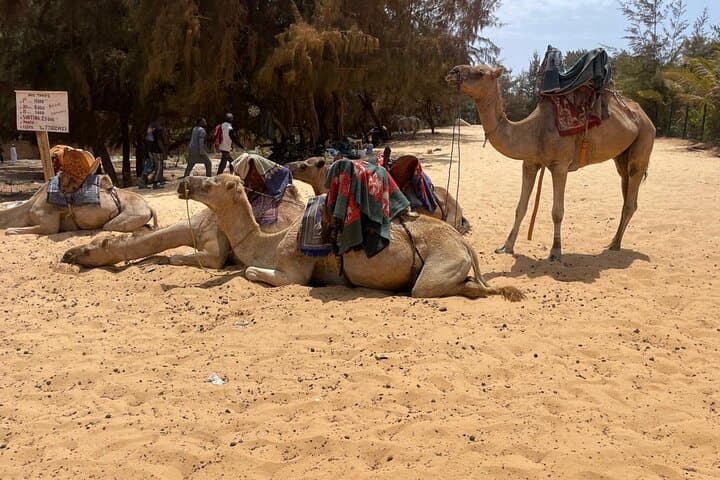
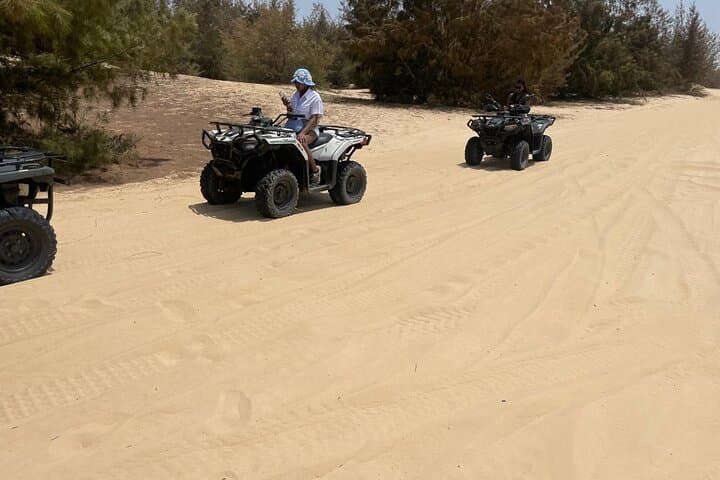
Culturally, the island’s museum and the Door of No Return are quiet, sobering places that demand respectful attention; at Lac Rose the rhythm is work and extraction—locals harvesting salt using traditional methods. Expect cobbled streets and short boat transfers, sandy dune tracks if you opt for a quad or camel, and flat, exposed salt flats at the lake.
Practical guidance: plan for a 4–7 hour outing, bring plenty of water and sunscreen, and carry small bills for ferry fees and local vendors. Time Gorée in the morning to avoid crowds and the hottest light at Lac Rose in late afternoon when the pink tones often deepen. Respect memorial sites, follow your guide’s instructions, and leave time to absorb both landscape and history.
easy.
4–7 hours.
Suitable for most travelers; requires light walking, some stairs, and short boat transfers.
The tour typically runs 4–7 hours depending on pickups and whether you add dune activities at Lac Rose.
Yes—Gorée is reached by a short public ferry from Dakar; crossings are regular but can be affected by tide and schedules, so arrive early.
Swimming is not recommended—high salinity makes the water buoyant and harsh on skin; most visitors float briefly but should rinse with fresh water afterward.
Gorée has many stairs and cobbled streets; parts are stroller-accessible but caregivers should expect to carry children over steps and uneven surfaces.
Gorée Island’s House of Slaves preserves a painful chapter of West African history tied to the transatlantic slave trade; its Door of No Return is a focal point for remembrance and education.
Lake Retba’s coloration and salt extraction are sensitive to climate and human activity—stick to designated paths, avoid littering, and support local operators who follow sustainable practices.
SENEXPAT's Excursions operates guided outdoor trips and adventures with an emphasis on safety, stewardship, and memorable experiences.
You step off an air-conditioned minivan onto a tiled quay as salt-slicked dunes push a pale ribbon of sand between the Atlantic and a lake that sometimes blazes pink under the sun. The ferry chugs toward Gorée Island; its narrow streets unfold like a map of memory — weathered doors, small cafés, and the heavy stone of the House of Slaves.
You step off an air-conditioned minivan onto a tiled quay as salt-slicked dunes push a pale ribbon of sand between the Atlantic and a lake that sometimes blazes pink under the sun. The ferry chugs toward Gorée Island; its narrow streets unfold like a map of memory — weathered doors, small cafés, and the heavy stone of the House of Slaves.
The route pairs two strikingly different landscapes: Gorée’s colonial architecture and painful history, and Lake Retba’s high-salinity shoreline where salt harvesters haul crystalline mounds and the water sometimes flips color with a golden noon. Geologically, the lake is separated by a dune barrier from the ocean and fed by groundwater and evaporation, which concentrates salts and allows Dunaliella algae to tint the surface under strong sunlight.
Culturally, the island’s museum and the Door of No Return are quiet, sobering places that demand respectful attention; at Lac Rose the rhythm is work and extraction—locals harvesting salt using traditional methods. Expect cobbled streets and short boat transfers, sandy dune tracks if you opt for a quad or camel, and flat, exposed salt flats at the lake.
Practical guidance: plan for a 4–7 hour outing, bring plenty of water and sunscreen, and carry small bills for ferry fees and local vendors. Time Gorée in the morning to avoid crowds and the hottest light at Lac Rose in late afternoon when the pink tones often deepen. Respect memorial sites, follow your guide’s instructions, and leave time to absorb both landscape and history.